
Plastic waste from packaging is one of the leading environmental concerns today. Its long-lasting impact contributes significantly to pollution, threatening ecosystems. Biodegradable containers with lids offer a viable, eco-friendly alternative to conventional plastics. In this article, we’ll explore the benefits of these sustainable solutions and how they’re reshaping the packaging industry.
Biodegradable containers with lids provide an eco-friendly alternative to traditional plastic packaging. Made from renewable resources, they decompose naturally, reducing waste and environmental impact. Perfect for foodservice, retail, and home use, these containers offer durability without harming the planet. Discover the advantages of using biodegradable containers to enhance sustainability in packaging.
Continue reading to learn how biodegradable containers with lids are helping businesses meet sustainability goals while reducing environmental footprints.
Understanding Biodegradable Containers with Lids
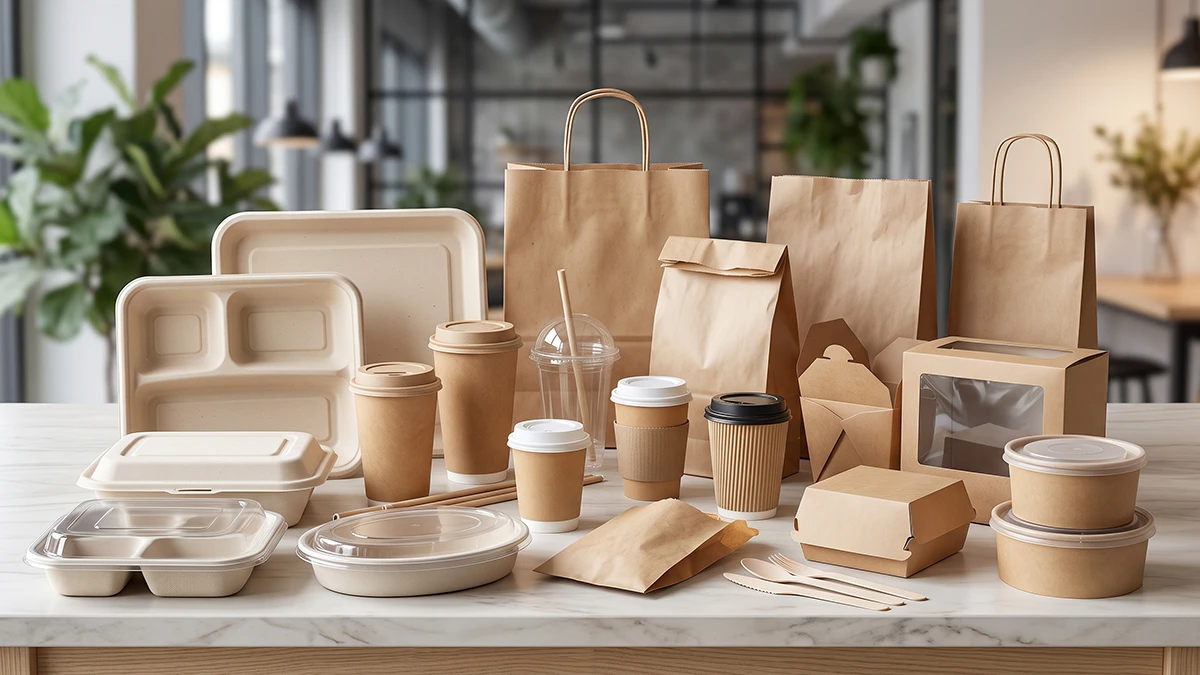
Biodegradable containers with lids are gaining momentum as a sustainable packaging solution. Unlike conventional plastic, which can take hundreds of years to decompose, biodegradable containers break down more quickly when exposed to environmental conditions, significantly reducing their long-term environmental footprint. These containers are primarily made from plant-based materials such as cornstarch, sugarcane pulp (bagasse), or bamboo fibers, making them not only biodegradable but often compostable as well.
Benefits of Biodegradable Containers with Lids
1. Environmental Impact:
Biodegradable containers with lids offer a major advantage in the fight against pollution. Unlike plastics, which persist in landfills for decades, biodegradable materials decompose naturally. This reduces the accumulation of waste and lessens the burden on landfills and recycling systems. These containers break down into non-toxic substances, which have a far lesser environmental impact than traditional packaging options.
2. Sustainability in Packaging:
By opting for biodegradable containers, businesses and consumers can significantly contribute to reducing plastic consumption. These containers, often made from renewable resources, support circular economies by promoting the use of agricultural byproducts and organic materials. Furthermore, they help conserve fossil fuels, which are typically used in the production of plastic packaging.
3. Safety and Non-Toxicity:
Biodegradable containers are free from harmful chemicals commonly found in traditional plastics, such as BPA (Bisphenol A) and phthalates, which can leach into food. They are safer for both consumers and the environment, as they do not pose a risk of contamination or harm during decomposition.
4. Versatility for Various Uses:
Biodegradable containers with lids are versatile and can be used in a variety of industries, from foodservice and catering to retail and consumer products. They are ideal for packaging takeout meals, leftovers, or even non-food items such as cosmetics and healthcare products. The lids ensure better protection and preservation of contents, while the materials maintain their strength and integrity throughout transportation and use.
5. Aesthetic and Functional Appeal:
In addition to their environmental benefits, biodegradable containers offer an attractive, natural look, often with a clean, minimalist design. Their ability to hold liquids and resist grease makes them suitable for a range of food applications, including soups, salads, and sauces. The secure lids ensure that food stays fresh and prevents spillage during transport.
Industry Applications and Adoption
1. Foodservice Industry:
The foodservice industry is one of the largest adopters of biodegradable containers, driven by increasing consumer demand for sustainable packaging. Many restaurants, fast food chains, and caterers are replacing traditional plastic and styrofoam containers with biodegradable alternatives, aligning with the global trend toward environmental responsibility. By offering biodegradable packaging, businesses not only reduce their ecological footprint but also cater to the growing number of eco-conscious consumers.
2. Retail and Packaging Industry:
Biodegradable containers are gaining traction in retail for packaging a variety of goods, from organic snacks to cosmetics. As more brands focus on green marketing, using biodegradable containers with lids is an effective way to showcase their commitment to sustainability.
3. Home Use and Events:
Biodegradable containers are also popular for home use, particularly for events such as parties, picnics, and outdoor gatherings. These containers offer convenience, functionality, and the added benefit of being environmentally friendly, allowing hosts to serve food without contributing to waste.
How Businesses Can Benefit
For businesses, transitioning to biodegradable containers with lids offers both environmental and financial benefits. Many governments and municipalities are imposing stricter regulations on plastic use and disposal, making sustainable packaging a legal requirement in certain regions. By adopting biodegradable solutions, companies can stay ahead of regulatory changes and improve their reputation as eco-friendly leaders in their industry.
Moreover, customers are increasingly willing to pay a premium for sustainable products. Brands that use biodegradable containers can attract a dedicated customer base that values sustainability and ethical practices. These businesses can also leverage their commitment to sustainability in marketing campaigns, further differentiating themselves in a competitive marketplace.
Challenges and Considerations
While biodegradable containers with lids offer many advantages, it is important for businesses and consumers to be mindful of certain considerations:
- Cost: Biodegradable packaging can sometimes be more expensive than plastic alternatives. However, as demand increases, prices are expected to drop.
- Decomposition Conditions: Not all biodegradable containers decompose equally; some require specific conditions (e.g., industrial composting) to break down effectively.
- Supply Chain Management: The sourcing and production of biodegradable materials require careful planning to ensure they are genuinely sustainable and not contributing to deforestation or resource depletion.
Conclusion
Biodegradable containers with lids are at the forefront of the packaging revolution, offering a sustainable alternative to traditional plastic. By embracing biodegradable packaging, businesses can significantly reduce their environmental impact, meet consumer demands for eco-friendly products, and stay ahead of regulatory changes. As the industry evolves, the adoption of these containers will play a critical role in advancing sustainability across sectors.