
The growing use of single-use plastics in the foodservice industry leads to severe environmental harm, contributing to plastic pollution. As plastic waste clogs ecosystems and landfills, the demand for eco-friendly alternatives becomes urgent. Sugarcane bagasse boxes offer a sustainable, biodegradable solution to this problem, replacing plastic with a renewable, green material. Read on to discover the benefits of bagasse in biodegradable utensils.
Sugarcane bagasse boxes are an eco-friendly alternative to plastic utensils and packaging. Made from the fibrous residue of sugarcane, these biodegradable products offer a sustainable, renewable solution for foodservice and utensil packaging. With growing environmental concerns, sugarcane bagasse provides a greener choice that helps reduce plastic waste and supports sustainability in everyday products.
Explore how sugarcane bagasse is reshaping the biodegradable utensil industry, offering sustainable and practical alternatives to single-use plastics.
The Problem with Single-Use Plastics in the Food Industry
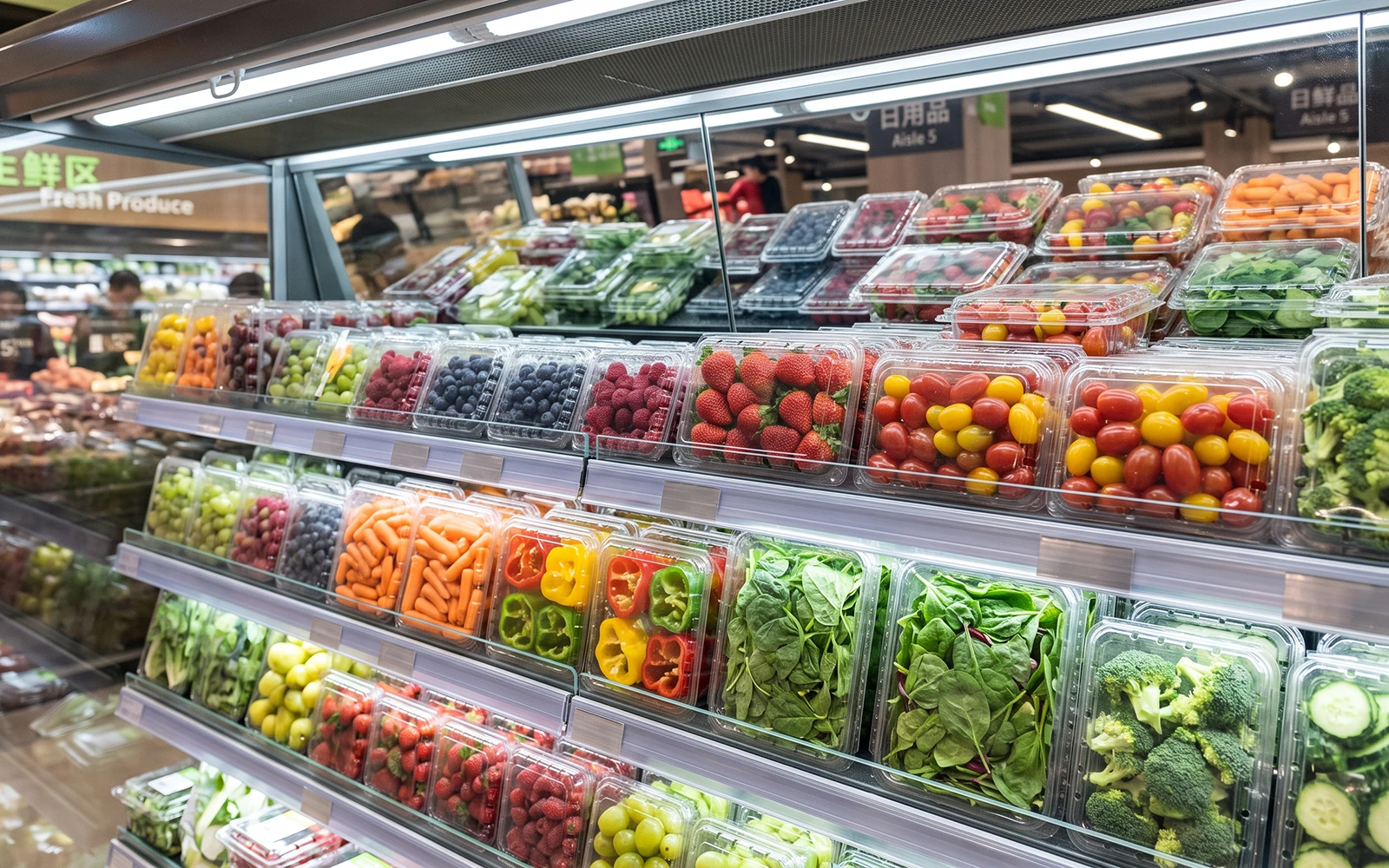
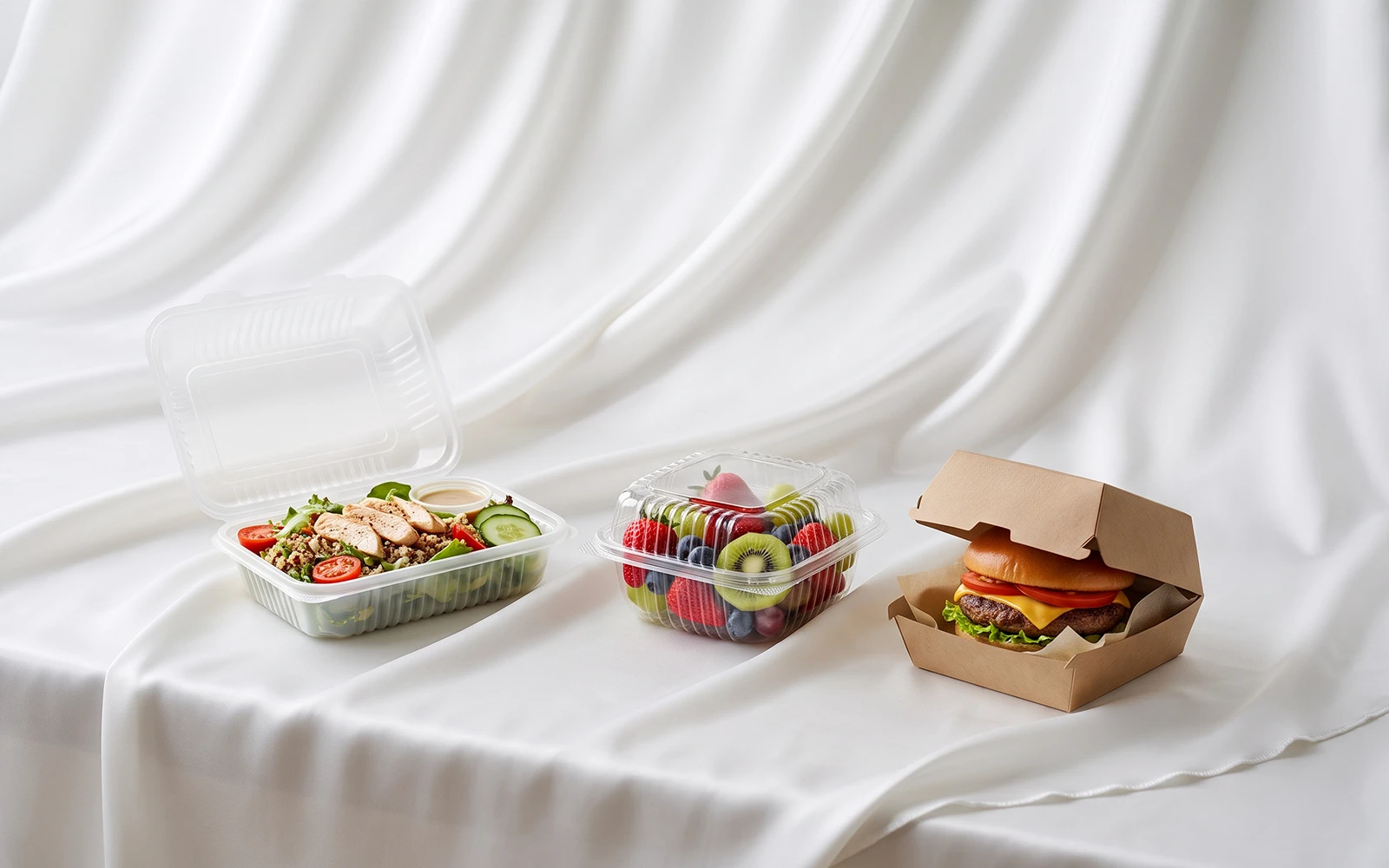
In recent years, the environmental impact of single-use plastics has garnered significant attention. Plastic utensils, straws, and containers, commonly used in foodservice and takeout, contribute to widespread pollution. These items are often non-recyclable and take centuries to decompose, filling landfills and harming wildlife. The need for sustainable alternatives is becoming more pressing as both consumers and businesses recognize the damaging effects of plastic on the planet.
In response, industries, especially the foodservice sector, are seeking environmentally friendly packaging and utensils to replace plastic. While compostable and recyclable options have emerged, sugarcane bagasse is gaining prominence as an ideal solution. Made from the fibrous pulp left after sugarcane juice is extracted, bagasse offers a biodegradable, renewable alternative that addresses the growing demand for green products.
What Is Sugarcane Bagasse?
Sugarcane bagasse is the dry, fibrous material that remains after the juice is extracted from sugarcane stalks. Traditionally discarded as agricultural waste, bagasse is now being repurposed as a highly effective material for a variety of products, including biodegradable utensils, containers, and packaging. This renewable resource is not only biodegradable but also compostable, making it a viable alternative to plastics in a wide range of applications.
Unlike plastics that rely on petroleum-based products, sugarcane bagasse is a byproduct of the sugar industry and can be sustainably sourced. Once processed, it is molded into various forms, including boxes, trays, and utensils. These products are designed to decompose naturally, reducing the environmental impact of single-use items. Bagasse’s natural strength and versatility make it ideal for both food packaging and disposable utensils, offering a practical solution to sustainability challenges.
Benefits of Sugarcane Bagasse in Biodegradable Utensils
- Eco-Friendly and Sustainable
Sugarcane bagasse is a natural, renewable resource that offers a biodegradable solution to plastic waste. Products made from bagasse are compostable and break down in a matter of months, unlike plastic, which can take hundreds of years to decompose. As companies seek to reduce their environmental footprint, bagasse products offer a much-needed alternative that aligns with global sustainability initiatives. - Durability and Functionality
One of the main challenges when replacing plastic with biodegradable materials is ensuring that the new material is strong and functional enough for everyday use. Sugarcane bagasse proves its worth by being sturdy, durable, and able to withstand the weight and moisture of food without collapsing. This makes it ideal for food containers, disposable plates, and utensils used in the foodservice industry. - Cost-Effective Solution
Many sustainable alternatives come with a higher price tag, but sugarcane bagasse provides an affordable option for companies looking to make a sustainable shift. The cost of producing bagasse products is competitive with plastic alternatives, especially as demand grows and manufacturing processes become more efficient. This makes it an accessible choice for businesses, especially in the foodservice industry, which often operates on tight margins. - Customizable and Versatile
Bagasse is highly adaptable and can be molded into various shapes and sizes. This allows manufacturers to produce a wide range of products, from takeaway boxes and utensils to serving trays and plates. In addition to its versatility in shape and function, bagasse products can be customized with logos, branding, and other design features, making them suitable for businesses looking to promote sustainability while maintaining a professional and attractive presentation. - Supports Circular Economy
Bagasse is a great fit for the growing circular economy model, which emphasizes reducing waste and reusing resources. Since bagasse is a byproduct of sugarcane processing, it helps to reduce agricultural waste. Furthermore, because it is compostable, it can return nutrients to the soil when disposed of properly, contributing to a more sustainable and regenerative cycle.
Challenges and Limitations of Sugarcane Bagasse
While sugarcane bagasse offers many benefits, there are challenges to its widespread adoption. One limitation is its reliance on specific geographic regions where sugarcane is grown. For regions that lack access to sugarcane production, sourcing bagasse may prove more difficult or costly.
Another potential drawback is that, like all biodegradable materials, bagasse products require proper disposal to achieve their environmental benefits. If not composted, they may still end up in landfills, where their biodegradation may be delayed. As such, adequate infrastructure for composting and waste management must be in place for bagasse to truly realize its environmental advantages.
The Growing Demand for Biodegradable Utensils
As the world becomes more environmentally conscious, the demand for biodegradable and sustainable alternatives continues to rise. Consumers are increasingly seeking products that align with their values, and businesses are responding by offering green alternatives to traditional plastic items. The rise of sugarcane bagasse in biodegradable utensils is a direct response to this demand, providing an eco-friendly solution without compromising on quality or functionality.
In the foodservice industry, where single-use items like takeout boxes, cups, and utensils are ubiquitous, sugarcane bagasse presents a clear opportunity to reduce plastic waste. As governments implement stricter regulations on plastic usage and landfill waste, businesses that adopt bagasse products are likely to benefit from positive consumer perceptions and even tax incentives for using sustainable materials.
The Future of Sugarcane Bagasse in the Biodegradable Market
Looking forward, the role of sugarcane bagasse in the biodegradable market is expected to grow substantially. As more companies and industries seek to minimize their environmental impact, the demand for sustainable materials will continue to drive innovation in product development. With advances in manufacturing technology, bagasse could eventually replace other environmentally harmful materials like Styrofoam and plastic, further promoting sustainability across various sectors.
Moreover, the increased use of bagasse aligns with a broader trend toward corporate social responsibility and environmental stewardship. As the world becomes more focused on sustainability, products like sugarcane bagasse boxes are well-positioned to lead the charge in eco-friendly solutions, helping businesses make a positive impact on the planet.
Conclusion
Sugarcane bagasse boxes offer an innovative and sustainable solution for biodegradable utensils and packaging. Their eco-friendly, durable, and customizable nature makes them an ideal alternative to single-use plastics in the foodservice and packaging industries. As demand for green products grows, bagasse is poised to play a major role in shaping a more sustainable future for disposable items, offering a practical and affordable option that benefits both businesses and the environment.