Conventional food packaging materials, especially plastics, contribute significantly to environmental pollution. Plastic waste is overwhelming landfills and oceans, causing harm to ecosystems. Environmentally friendly packaging materials, such as biodegradable and compostable options, offer a sustainable solution. In this article, we will compare these materials and discuss their benefits, challenges, and how they stand against traditional packaging.
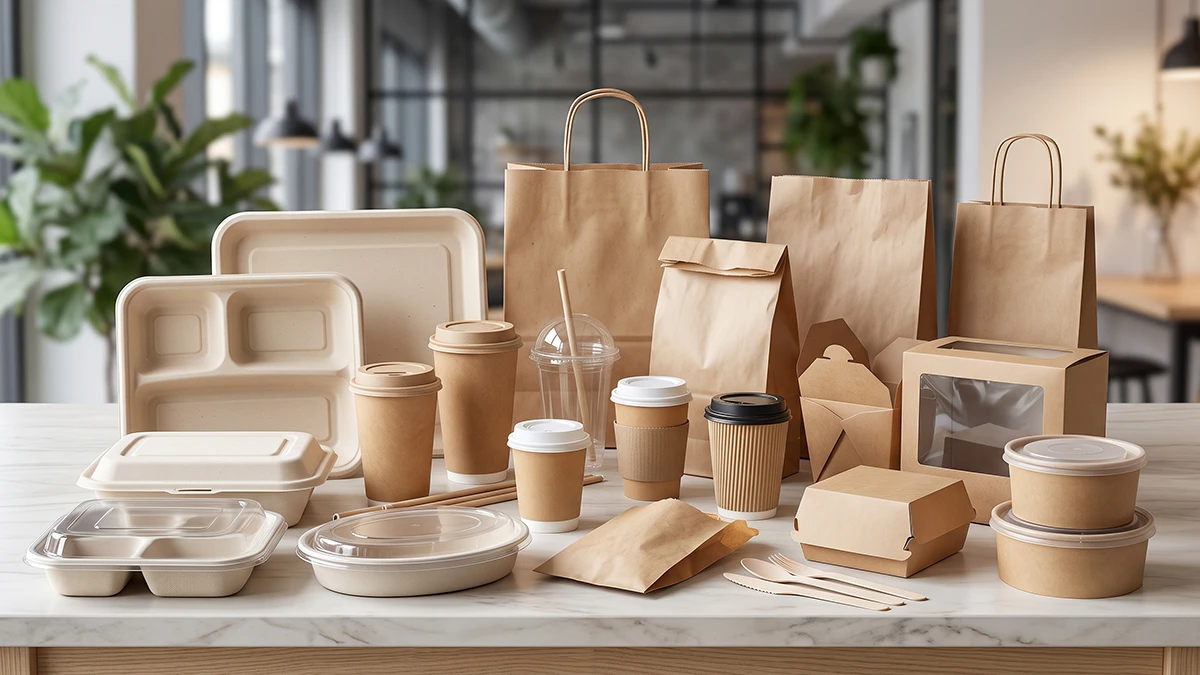
Environmentally friendly food packaging, including biodegradable, compostable, and recyclable materials, provides a sustainable alternative to conventional plastic packaging. These eco-friendly options help reduce pollution, lower carbon footprints, and contribute to waste reduction. In contrast, traditional packaging materials such as plastics persist in the environment for years, causing significant environmental harm.
Dive deeper into the differences between eco-friendly packaging and conventional options, including their environmental impacts, benefits, and drawbacks.
The Environmental Cost of Conventional Food Packaging
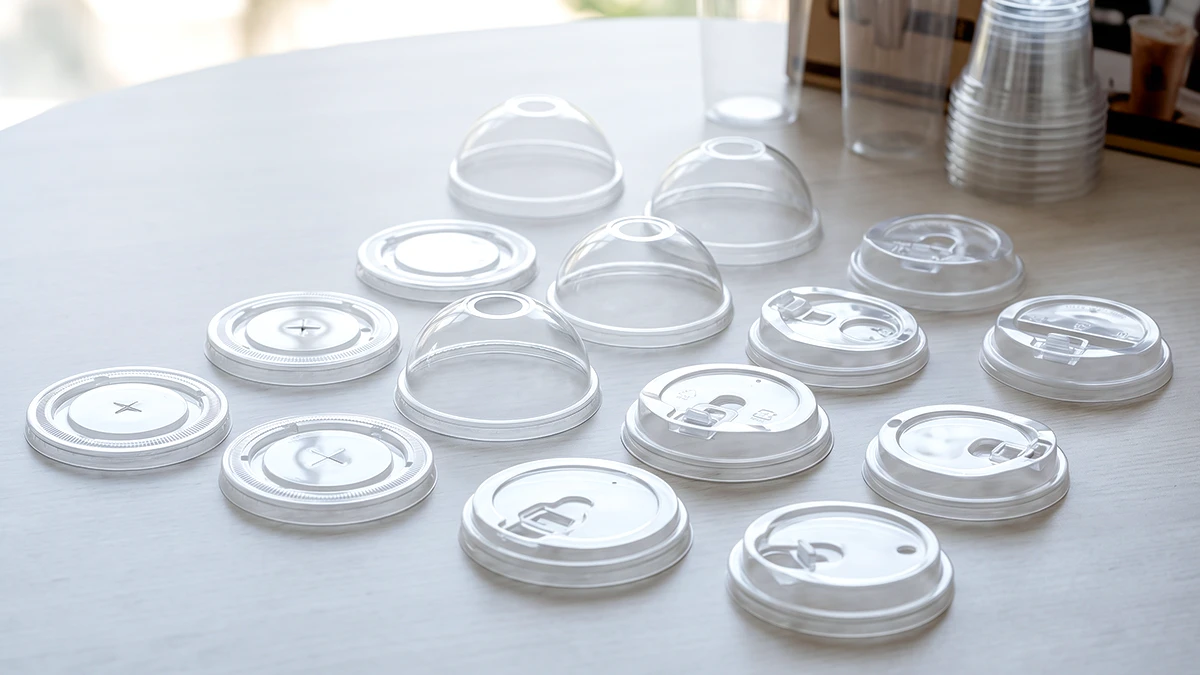
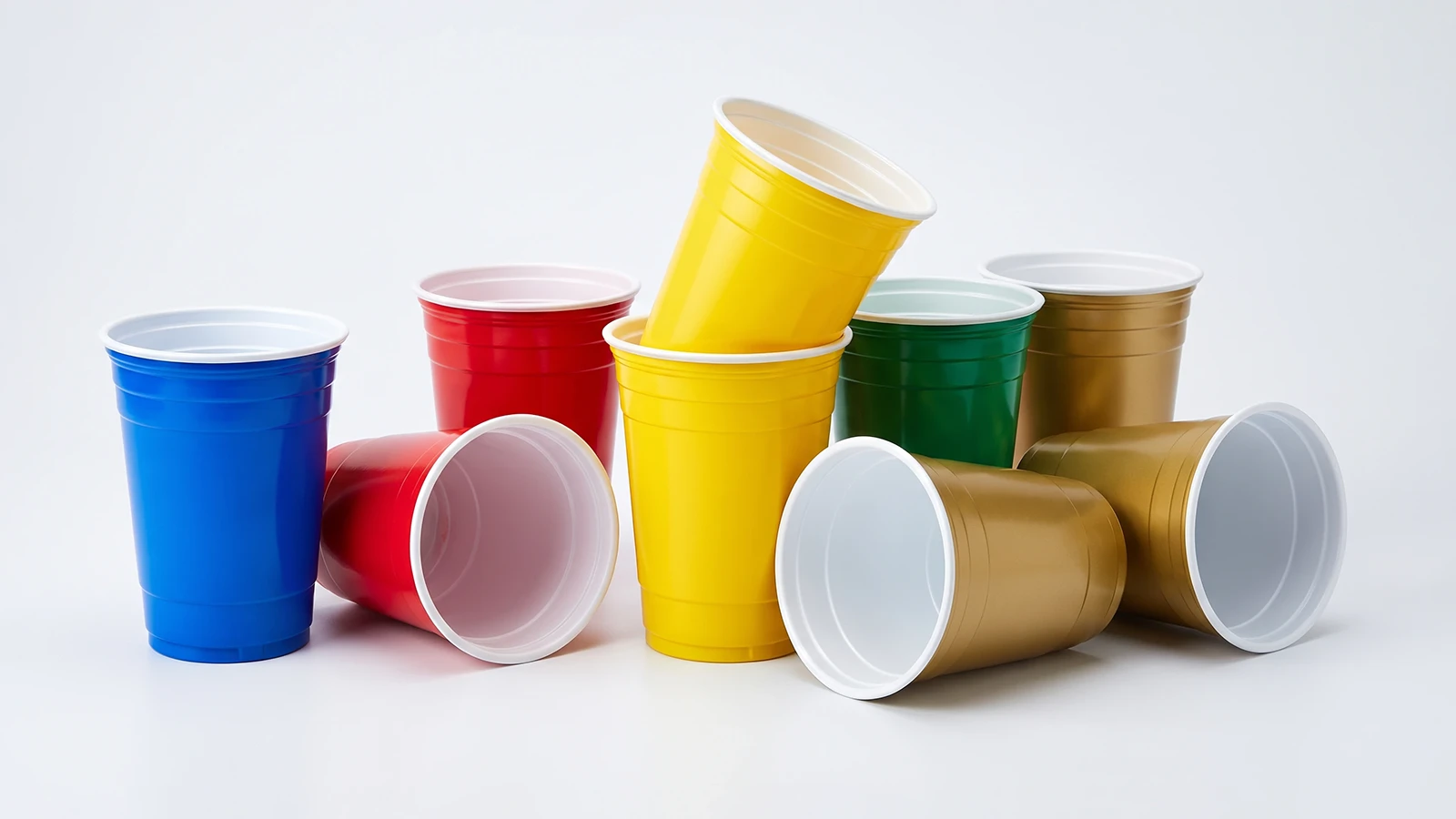
Food packaging has become essential for preserving food quality, ensuring safety during transport, and offering convenience. However, the widespread use of conventional packaging materials—especially plastic—has contributed to a significant environmental issue. Plastics are non-biodegradable, meaning they do not decompose in a reasonable time frame. Instead, plastic waste accumulates in landfills, rivers, and oceans, creating hazardous conditions for wildlife and ecosystems.
According to research, plastic waste is responsible for a large portion of marine pollution, with millions of tons entering the ocean each year. This waste can persist for hundreds of years, breaking down into microplastics that contaminate water supplies and enter the food chain. The environmental consequences are dire, and the need for sustainable packaging alternatives is urgent.
Enter Eco-Friendly Packaging Materials
In response to the growing environmental crisis, the food industry has increasingly turned to environmentally friendly packaging materials. These alternatives are designed to reduce the environmental impact of packaging and provide solutions that are more sustainable than plastic. There are several types of eco-friendly materials currently in use:
- Biodegradable Packaging
Biodegradable food packaging is designed to break down naturally through biological processes when exposed to elements like moisture and air. Materials such as cornstarch, plant fibers, and sugarcane bagasse are commonly used for biodegradable packaging. Once discarded, these materials decompose more rapidly than plastic, returning organic matter to the soil rather than contributing to pollution. - Compostable Packaging
Compostable packaging is similar to biodegradable packaging, but it is specifically designed to decompose into nutrient-rich compost when placed in a commercial composting facility. Products made from materials like PLA (polylactic acid), a plant-based plastic, or bagasse, are commonly used for compostable packaging. Compostable packaging helps divert waste from landfills and promotes a circular economy by returning nutrients to the soil. - Recyclable Packaging
Recyclable materials, such as certain types of paper and cardboard, offer a sustainable alternative to single-use plastics. Unlike biodegradable or compostable packaging, recyclable materials are designed to be processed and reused in the manufacturing of new products. Paperboard containers, for instance, can be repurposed into new packaging, reducing the need for virgin resources and lowering the environmental impact.
Comparing the Environmental Impact
While eco-friendly packaging options help reduce waste and pollution, the environmental impact of these materials varies. Here’s a closer comparison between eco-friendly and conventional packaging options:
- Carbon Footprint
The production of conventional plastic packaging requires fossil fuels, contributing to greenhouse gas emissions and climate change. On the other hand, eco-friendly materials like biodegradable or compostable packaging tend to have a lower carbon footprint. These materials are often derived from renewable resources like plants, which absorb carbon dioxide during growth, offsetting some of the emissions involved in their production. - Degradability
Plastic waste is notorious for its long decomposition timeline. In contrast, biodegradable and compostable materials decompose more rapidly, with minimal environmental impact. However, biodegradable packaging may require specific conditions to break down effectively, such as the right level of moisture and temperature. Compostable packaging requires access to industrial composting facilities, which are not always available, limiting its effectiveness in some regions. - Waste Management
One of the key challenges of plastic packaging is its inability to be fully recycled in some regions, especially due to contamination or lack of proper recycling infrastructure. Biodegradable and compostable packaging materials, on the other hand, are typically designed to break down naturally, though they require proper disposal methods like industrial composting or specialized waste management systems. - Resource Use
While biodegradable and compostable packaging options are made from renewable resources, such as corn starch or sugarcane, they do require land, water, and energy for production. The cultivation of raw materials may also contribute to environmental concerns, such as water usage or pesticide application. However, when compared to the long-term environmental burden of plastic, these materials are generally considered more sustainable. - Food Safety and Performance
Conventional plastic packaging is known for its durability, water resistance, and ability to maintain food safety during transit. While biodegradable and compostable packaging options have made significant advancements, they may not always perform at the same level, especially for hot, moist, or liquid food. New innovations are addressing these challenges by developing more robust eco-friendly materials with improved performance characteristics.
Challenges of Eco-Friendly Packaging Adoption
Despite their environmental advantages, eco-friendly packaging materials face several hurdles. One significant challenge is cost. Biodegradable and compostable materials can be more expensive to produce than plastic packaging, which can make them less appealing to budget-conscious businesses. However, as demand for sustainable packaging increases and production methods improve, costs are expected to decrease.
Additionally, the infrastructure for recycling and composting is not yet universally available. In many regions, consumers lack access to the necessary facilities for proper disposal of biodegradable or compostable packaging, meaning these materials may still end up in landfills, where they may not break down as efficiently as they would in composting conditions.
The Path Forward: Supporting Sustainable Packaging Solutions
As the environmental impact of packaging becomes more apparent, there is growing pressure on businesses to adopt more sustainable practices. The shift from conventional plastic to biodegradable, compostable, and recyclable packaging materials is gaining momentum. However, overcoming cost and infrastructure barriers will be key to realizing the full potential of eco-friendly packaging.
Governments, businesses, and consumers must work together to promote the use of sustainable materials, improve recycling systems, and support innovation in packaging design. By prioritizing eco-friendly packaging, the food industry can significantly reduce its environmental footprint and contribute to a more sustainable future.