
The widespread use of plastic and other non-biodegradable packaging has contributed significantly to environmental pollution. If this trend continues, it will worsen landfills, oceans, and ecosystems. The solution lies in eco-friendly food packaging materials, which can reduce waste, lower carbon emissions, and promote sustainability. This article explores how these materials can help build a greener future.
Eco-friendly food packaging materials are crucial for reducing environmental impact. By shifting to sustainable alternatives, businesses can minimize waste, lower emissions, and promote a healthier planet.
Learn more about how eco-friendly food packaging can help reduce pollution and enhance sustainability for a greener, healthier future.
1. The Environmental Impact of Traditional Food Packaging
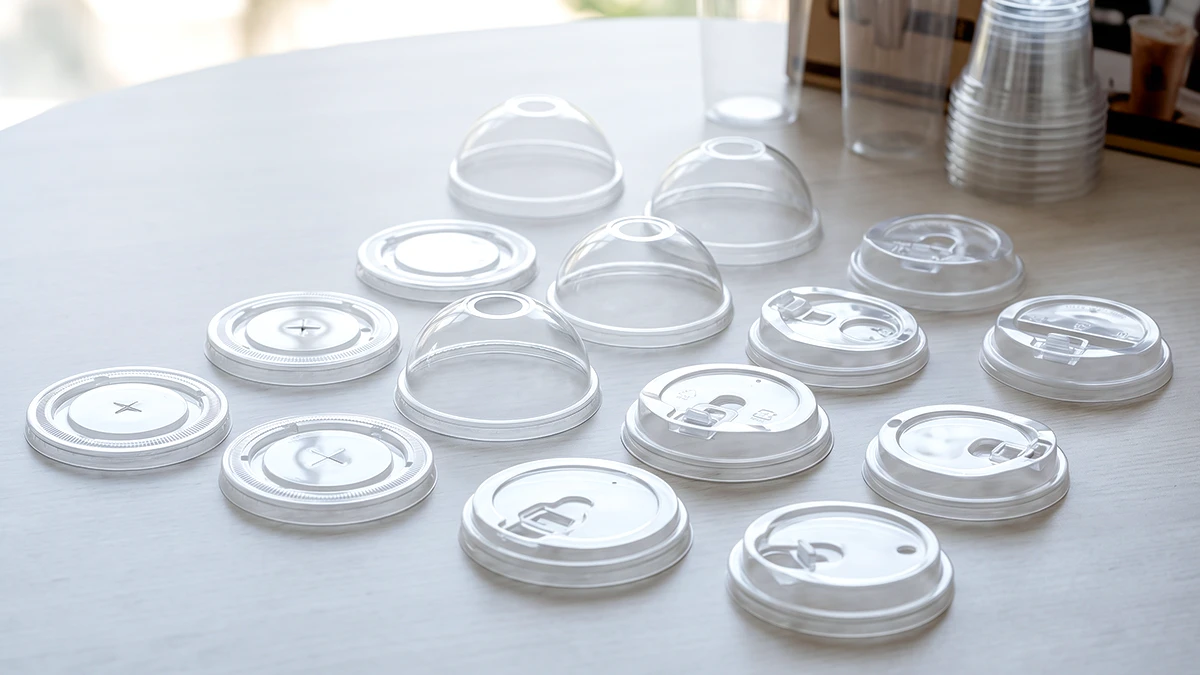
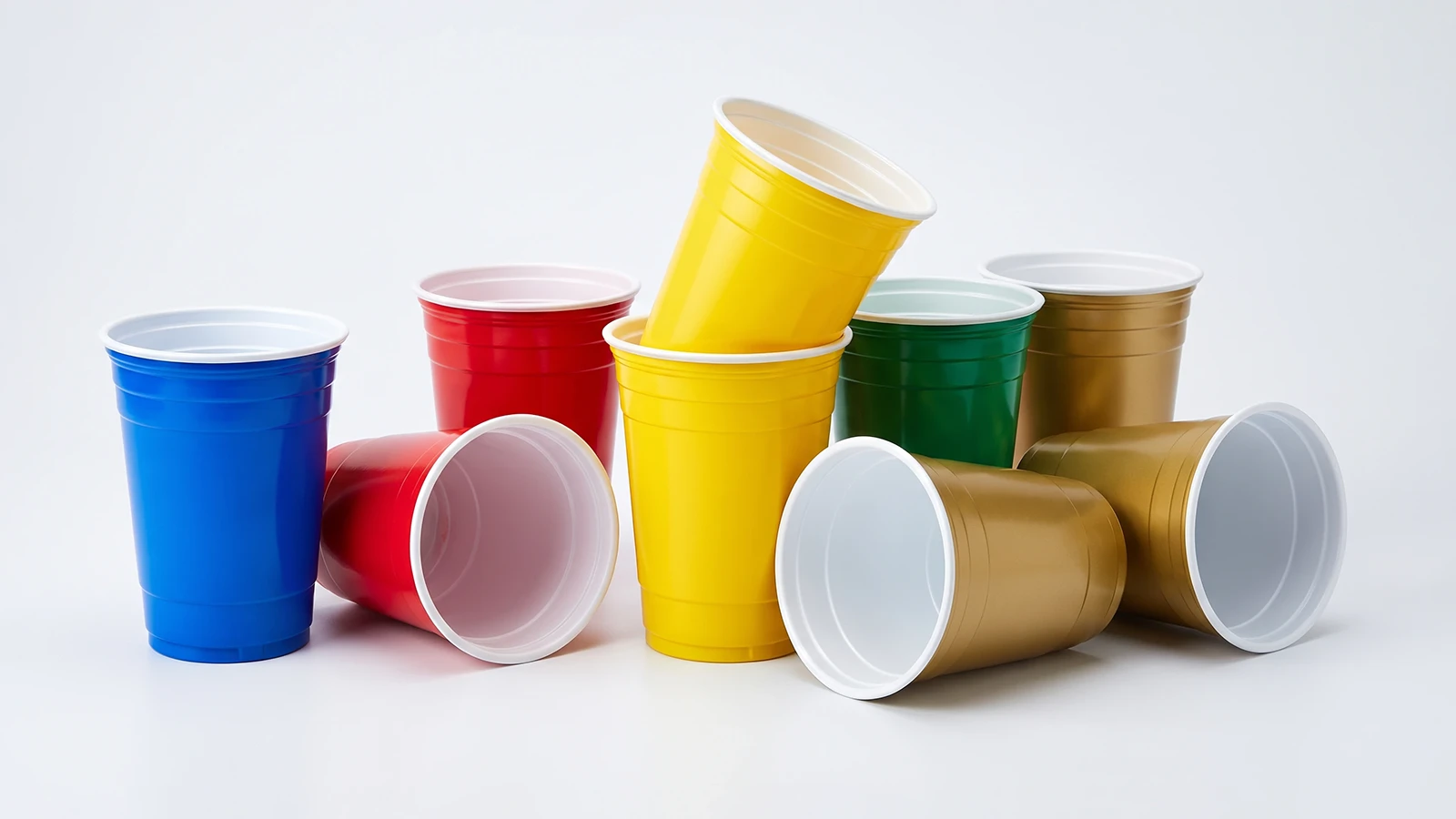
Food packaging plays an essential role in protecting and preserving food. However, traditional packaging materials, especially plastics, have serious environmental consequences. Most plastic packaging is single-use, non-biodegradable, and takes hundreds of years to break down, resulting in significant landfill waste. Furthermore, plastic waste often ends up in oceans, harming marine life and ecosystems.
Beyond waste, traditional packaging also requires energy-intensive processes for production, contributing to carbon emissions and environmental degradation. As the demand for packaged goods rises, the environmental cost of using conventional food packaging materials grows exponentially. This calls for an urgent shift towards more sustainable, eco-friendly alternatives.
2. The Rise of Eco-Friendly Food Packaging
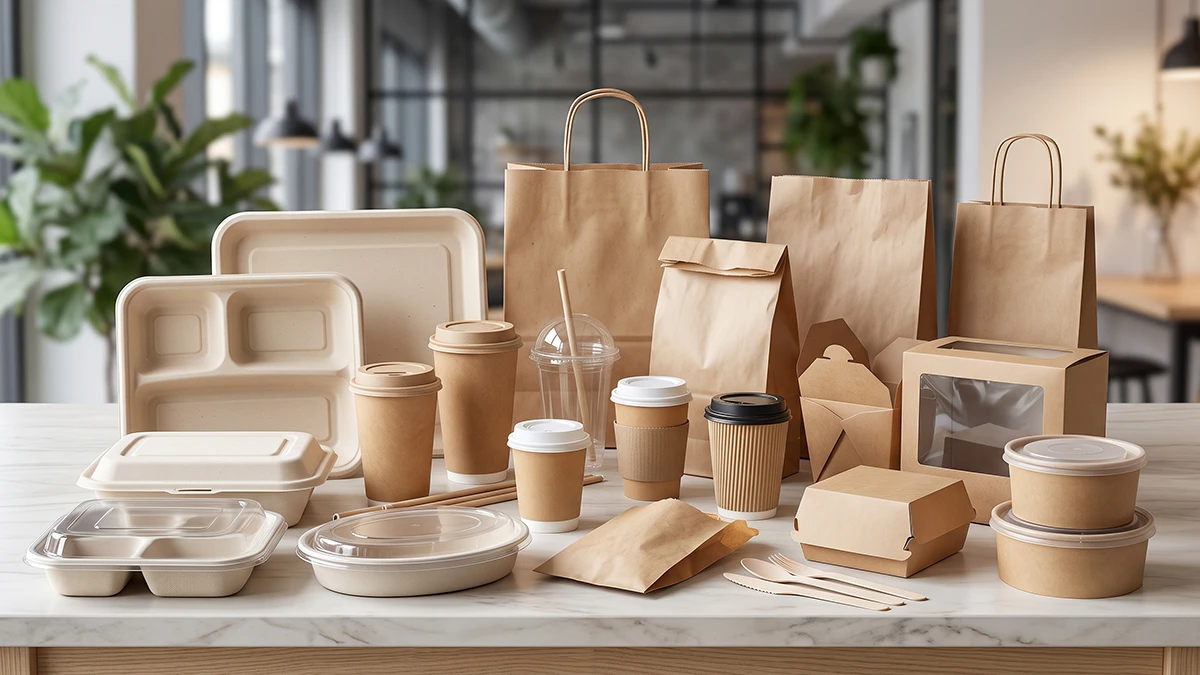
Eco-friendly food packaging materials offer a sustainable solution to the challenges posed by traditional packaging. These materials include biodegradable plastics, paper-based products, edible packaging, and materials derived from renewable resources. By switching to these alternatives, businesses can significantly reduce their environmental footprint.
Types of Eco-Friendly Food Packaging Materials
- Biodegradable Plastics: Made from renewable plant-based resources, biodegradable plastics break down more easily in the environment compared to petroleum-based plastics. These materials are designed to degrade naturally, reducing long-term waste.
- Compostable Materials: Compostable food packaging is made from materials like cornstarch, sugarcane, or bagasse (sugarcane fiber). These materials decompose quickly in composting facilities, leaving behind nutrient-rich soil instead of waste.
- Paper and Cardboard: Recycled paper and cardboard are increasingly used for food packaging. These materials are biodegradable, recyclable, and have a lower environmental impact than plastic packaging.
- Edible Packaging: An innovative and emerging option, edible packaging can be consumed along with the food, eliminating the need for disposal altogether. Made from ingredients like seaweed or rice, these materials are safe, eco-friendly, and reduce waste.
The Benefits of Shifting to Eco-Friendly Packaging
- Reduction in Landfill Waste: By using biodegradable and compostable materials, food packaging waste can be diverted from landfills, where it might take centuries to decompose. This helps reduce the strain on waste management systems and promotes a circular economy.
- Lower Carbon Footprint: Many eco-friendly materials require less energy to produce compared to plastic. For example, biodegradable plastics made from renewable resources such as corn or sugarcane have a much lower carbon footprint than traditional plastics derived from fossil fuels.
- Conservation of Natural Resources: Using renewable materials for packaging helps conserve non-renewable resources, such as oil and natural gas, which are typically used in plastic production. By shifting to plant-based packaging, businesses can reduce dependence on fossil fuels.
- Ocean and Wildlife Protection: By reducing plastic packaging, eco-friendly alternatives play a crucial role in protecting marine life. Less plastic waste in the oceans means fewer animals are at risk of ingesting or becoming entangled in harmful plastic debris.
3. Economic and Consumer Impact
Cost Considerations for Businesses
While eco-friendly packaging may initially seem more expensive than traditional plastic, the long-term benefits can outweigh the cost. By adopting sustainable packaging, businesses can enhance their reputation, appeal to eco-conscious consumers, and reduce waste disposal costs. Additionally, regulatory pressures are increasing, with governments around the world introducing policies and incentives to encourage sustainability. Businesses that adopt eco-friendly practices early on are better positioned to meet these regulations and future-proof their operations.
Consumer Demand for Sustainability
As environmental awareness grows, consumers are increasingly seeking brands that prioritize sustainability. Eco-friendly food packaging resonates with consumers who are concerned about climate change, pollution, and their environmental impact. Brands that embrace eco-friendly packaging can differentiate themselves in the marketplace, build loyalty among environmentally-conscious consumers, and gain a competitive edge.
4. Challenges in Adopting Eco-Friendly Packaging
Despite the many benefits, there are challenges in making the switch to eco-friendly packaging. One primary challenge is the scalability of production—manufacturers of eco-friendly materials may not always have the capacity to produce large volumes at competitive prices. Additionally, the infrastructure for composting and recycling may not be available everywhere, limiting the effectiveness of certain biodegradable materials.
Another challenge is the potential trade-off between the durability of packaging and its environmental impact. For instance, while biodegradable materials break down faster, they may not always offer the same level of protection as traditional plastic packaging, particularly for perishable foods.
However, innovations in materials science are continuously improving the quality, cost, and scalability of eco-friendly packaging. As consumer demand and regulatory pressures grow, businesses are investing in research and development to make sustainable packaging more accessible and effective.
5. The Future of Food Packaging: A Greener Approach
The future of food packaging is undoubtedly shifting toward sustainability. With technological advancements and increased demand for eco-friendly products, businesses are exploring new packaging solutions that prioritize the environment. From biodegradable materials to innovations like edible packaging, the food packaging industry is ripe for change.
Governments and industries worldwide are beginning to take a more proactive stance on regulating packaging waste and promoting sustainability. Businesses that embrace these changes early can contribute to a cleaner, healthier planet, while also reaping the benefits of a growing eco-conscious consumer base.
Conclusion: Building a Sustainable Future with Eco-Friendly Packaging
Shifting to eco-friendly food packaging materials is an essential step in building a sustainable future. By reducing waste, lowering carbon emissions, and protecting natural resources, these materials help create a cleaner, healthier planet. Businesses that make the switch not only contribute to the environment but also tap into growing consumer demand for sustainable products. The future of food packaging is green—and it’s time for businesses and consumers alike to embrace the change.