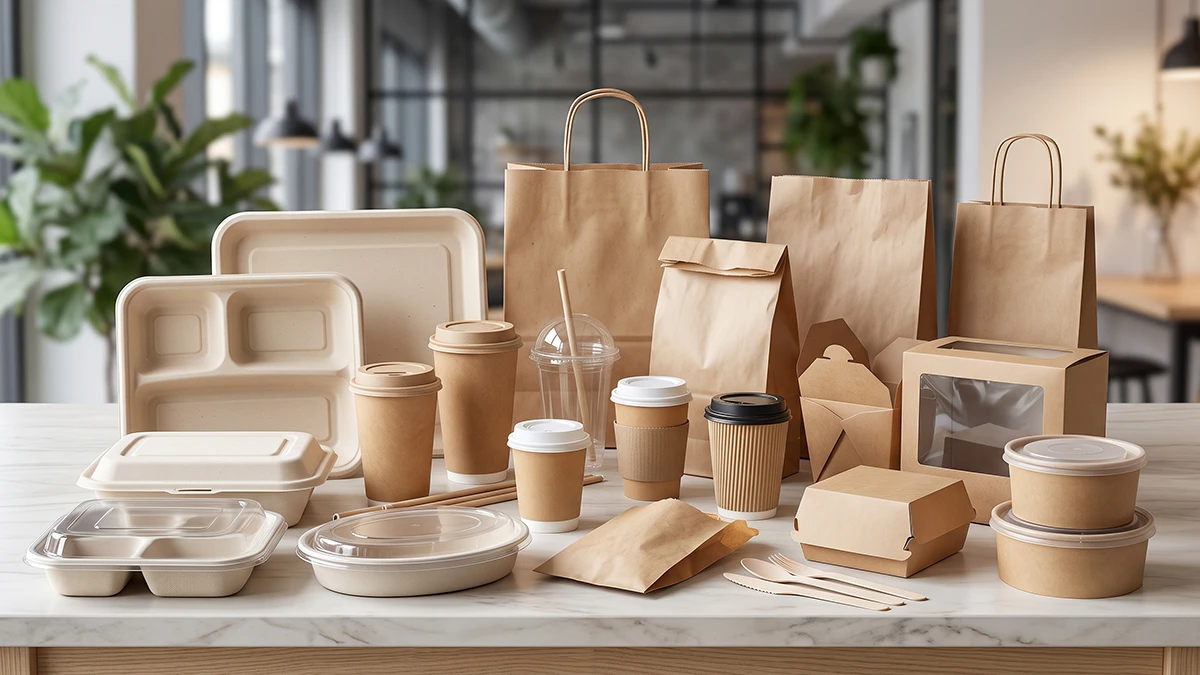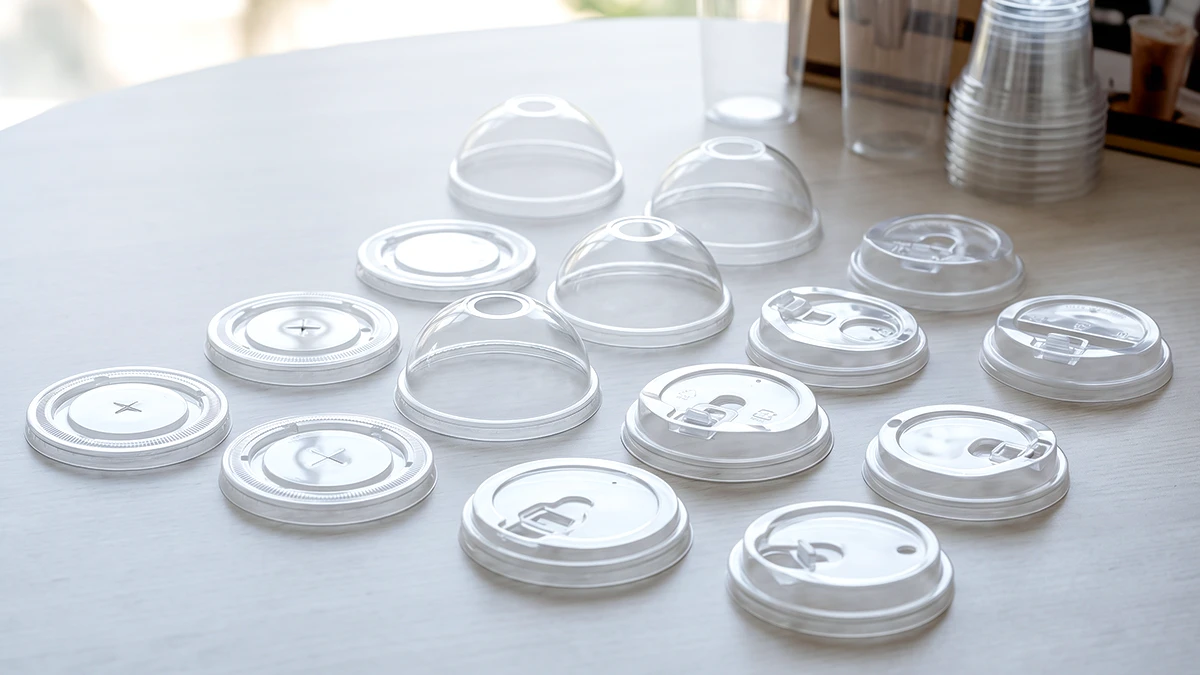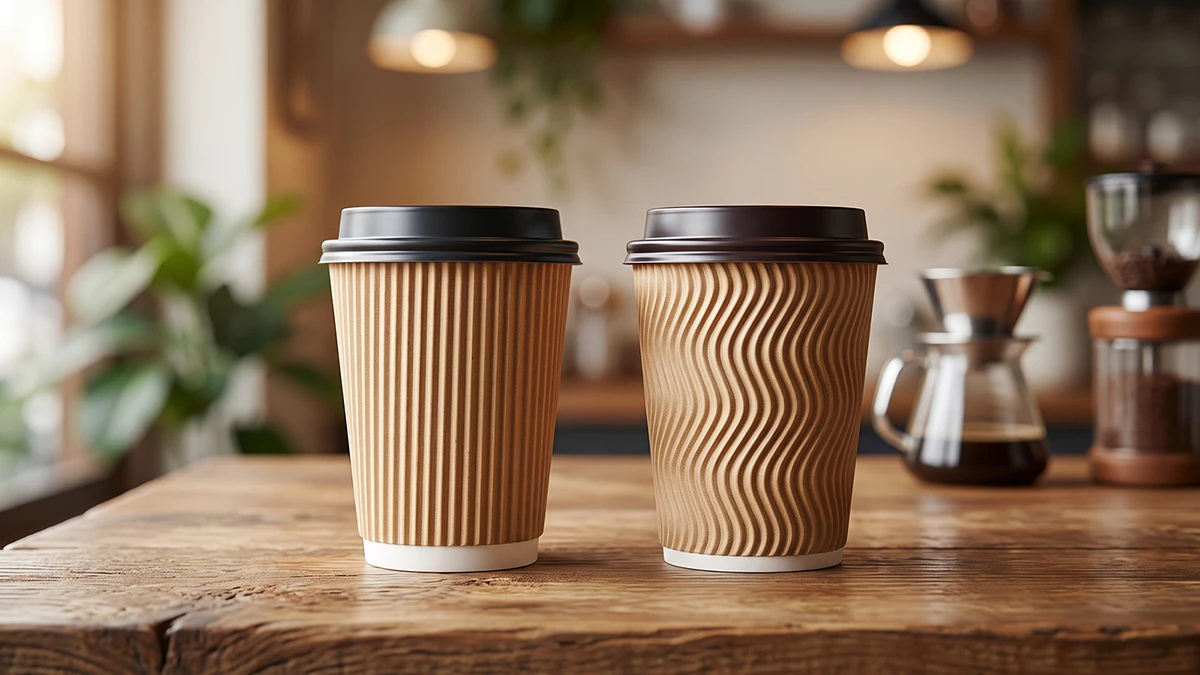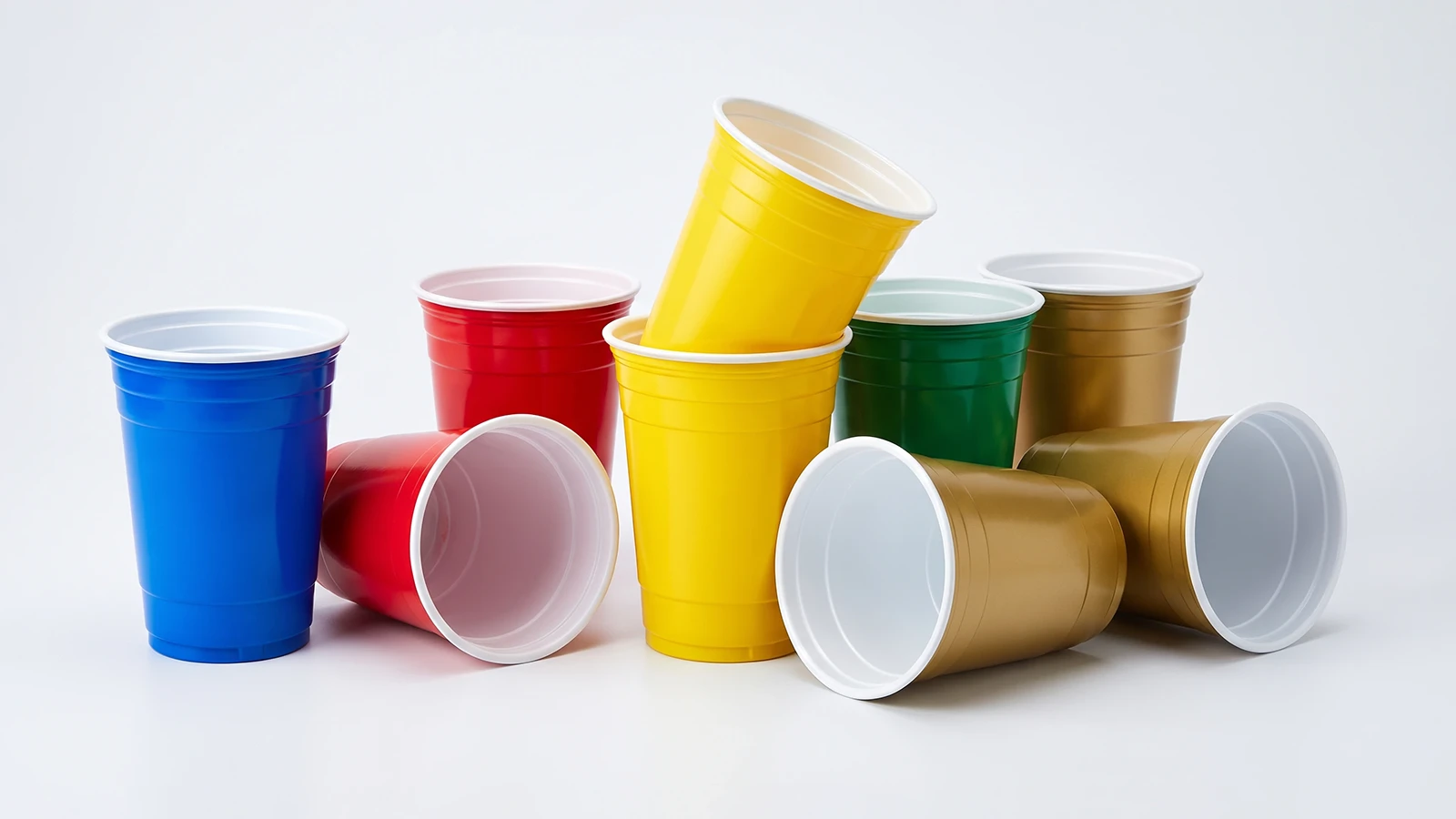

Biodegradable plastic food containers are often touted as an eco-friendly alternative to traditional plastics. However, many consumers and businesses struggle to optimize their use effectively. Improper disposal or non-compliance with composting conditions can negate their environmental benefits. By understanding their proper usage, disposal, and sustainability advantages, you can make the most of biodegradable containers for your business or personal use. Read on to discover how.
Biodegradable plastic food containers offer a sustainable alternative to traditional plastics, but their full potential is realized only with proper usage. This article explores how businesses and consumers can maximize their environmental impact by adopting best practices for disposal and application.
Discover how businesses can implement best practices for using biodegradable food containers effectively while reducing their environmental footprint.
Introduction to Biodegradable Plastic Food Containers
In the modern food industry, biodegradable plastics have emerged as a promising solution to combat the environmental burden caused by conventional petroleum-based plastics. These containers, made from plant-based materials like corn starch or sugarcane, decompose naturally, significantly reducing their impact on landfills and oceans. However, to fully harness their environmental potential, it’s essential to understand how to make the most of biodegradable plastic food containers.
1. Understanding the Types of Biodegradable Plastics
Before delving into their usage, it’s important to recognize the different types of biodegradable plastics used in food packaging. These materials include:
- Polylactic Acid (PLA): Derived from corn or sugarcane, PLA is a compostable plastic that is commonly used in food containers and utensils. It’s clear, lightweight, and ideal for cold food packaging.
- Polyhydroxyalkanoates (PHA): A type of biodegradable plastic made from bacterial fermentation of renewable resources. PHA is compostable and can be used for a broader range of applications, including both food containers and packaging.
- Starch-Based Plastics: Made from natural starches, these plastics are biodegradable and can be used for various packaging needs, though they are less durable than PLA and PHA.
- Plant-Based Polyethylene (PE): While not fully biodegradable, plant-based PE is recyclable and has a lower carbon footprint than its petroleum-based counterpart.
Understanding the composition of these materials is crucial to ensuring they are used and disposed of correctly.
2. Optimizing Usage of Biodegradable Plastics
To maximize the effectiveness of biodegradable plastic food containers, businesses and consumers must follow certain practices:
Proper Application
Biodegradable plastics are best suited for specific applications, including:
- Cold Foods and Beverages: PLA and starch-based plastics are ideal for cold food items like salads, sandwiches, and beverages. They are not suited for high-temperature foods due to their lower heat tolerance.
- Single-Use Items: Many biodegradable plastics are designed for single-use purposes, making them ideal for takeout containers, disposable plates, and cutlery. Businesses should choose the appropriate material depending on the nature of the food they are packaging.
- Incorporating Eco-Friendly Designs: Businesses can further reduce environmental impact by choosing biodegradable plastics with minimal design features and limited coating, as excessive additives can hinder their biodegradability.
Avoiding Common Pitfalls
To get the most out of biodegradable containers, avoid the following mistakes:
- Using for Hot Foods: Materials like PLA are unsuitable for high temperatures. They may lose their structural integrity or release harmful substances if used for hot food.
- Improper Storage: Biodegradable plastics should be stored in cool, dry conditions. Heat and moisture can cause them to degrade prematurely, reducing their effectiveness as packaging.
- Mixing with Non-Biodegradable Waste: The environmental benefits of biodegradable plastics can be negated if they are mixed with conventional plastic waste, making recycling and composting difficult.
3. Disposal Practices for Biodegradable Plastics
One of the key advantages of biodegradable plastics is their ability to break down naturally. However, this process is highly dependent on proper disposal methods.
Composting
Many biodegradable plastics are compostable, meaning they can break down into organic matter when placed in a commercial composting facility. Businesses should ensure that biodegradable containers are directed to composting facilities that meet the specific conditions needed for their decomposition, such as temperature, humidity, and aeration.
Landfill and Industrial Composting
While biodegradable plastics may degrade in landfills over time, the absence of ideal composting conditions can significantly delay this process. For optimal results, biodegradable containers should be sent to industrial composting plants, where the environment is controlled for faster decomposition.
Consumer Education
Both businesses and consumers must be educated on the correct disposal practices for biodegradable plastics. Clear labeling and instructions on how to dispose of the containers responsibly can help ensure that these products have a positive environmental impact.
4. Advancing Sustainability with Biodegradable Plastics
Beyond proper usage and disposal, companies can take additional steps to enhance the sustainability of biodegradable food packaging:
Sourcing Sustainable Materials
Businesses can choose biodegradable plastics made from renewable, non-GMO crops or those produced through green chemistry processes. These materials have a lower environmental impact and contribute to a more sustainable supply chain.
Reducing Overall Plastic Use
The most effective way to improve sustainability is to reduce reliance on all types of plastic. Businesses should consider transitioning to reusable, sustainable packaging solutions alongside biodegradable options to further minimize waste.
Promoting Awareness and Certification
As consumers become more eco-conscious, businesses should promote their commitment to sustainability by obtaining certifications like the Biodegradable Products Institute (BPI) certification or OK Compost certification. These certifications provide consumers with confidence that the products are genuinely biodegradable and compostable.
5. The Role of Consumers in Maximizing Biodegradable Plastics
Consumers can play an essential role in maximizing the environmental benefits of biodegradable plastic food containers by:
- Supporting businesses that use biodegradable packaging materials.
- Educating themselves on proper disposal methods, such as composting and recycling.
- Avoiding products that are not genuinely biodegradable, which may be labeled misleadingly as “eco-friendly.”
Conclusion
Biodegradable plastic food containers offer a promising solution to the growing issue of plastic waste. By understanding the types of materials, optimizing their usage, and following proper disposal practices, businesses and consumers can significantly reduce their environmental footprint. As the demand for sustainable packaging grows, the effectiveness of biodegradable plastics will only increase, making them a vital component of a greener, more sustainable future.