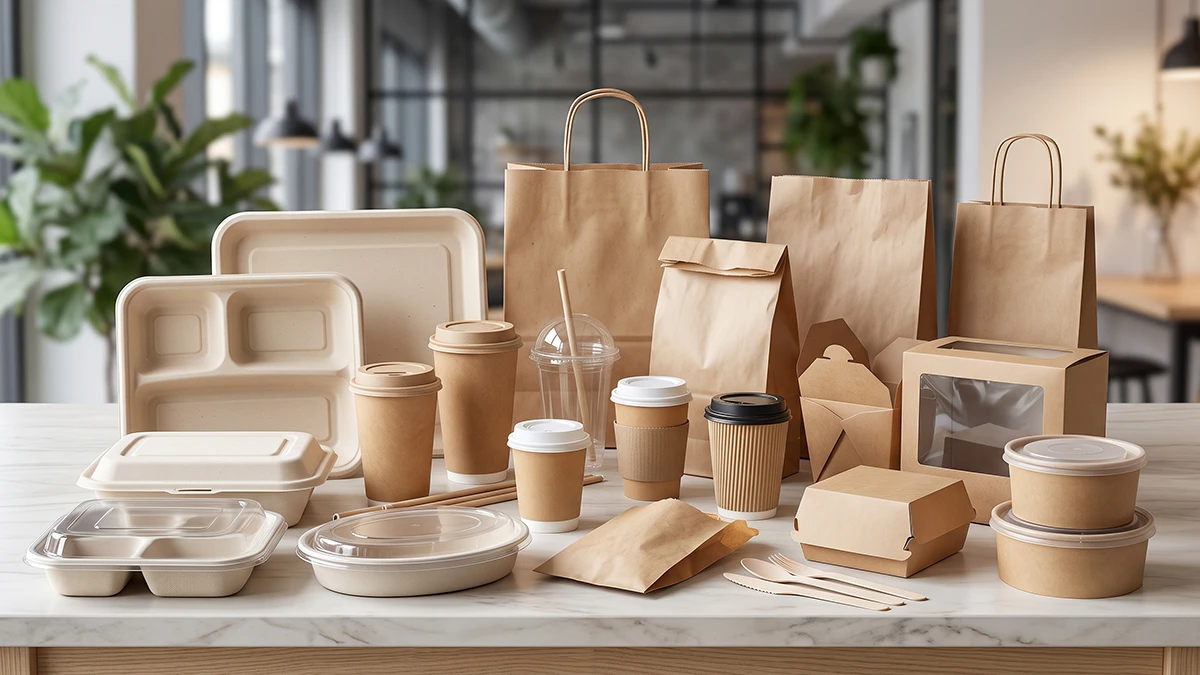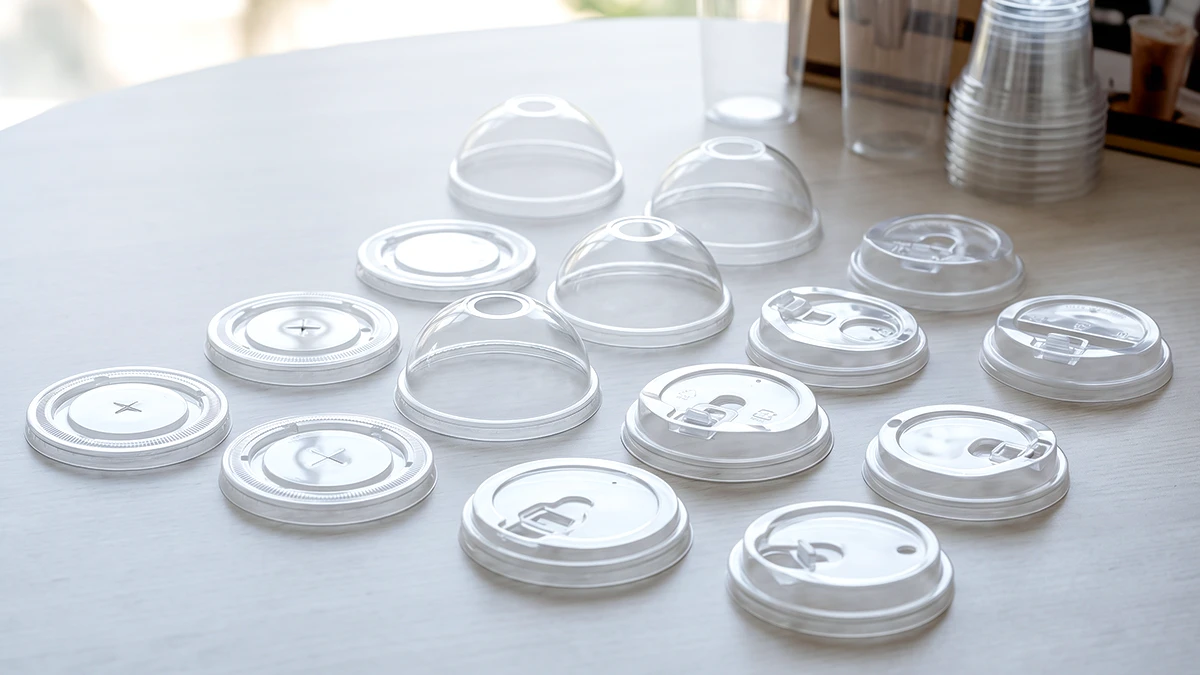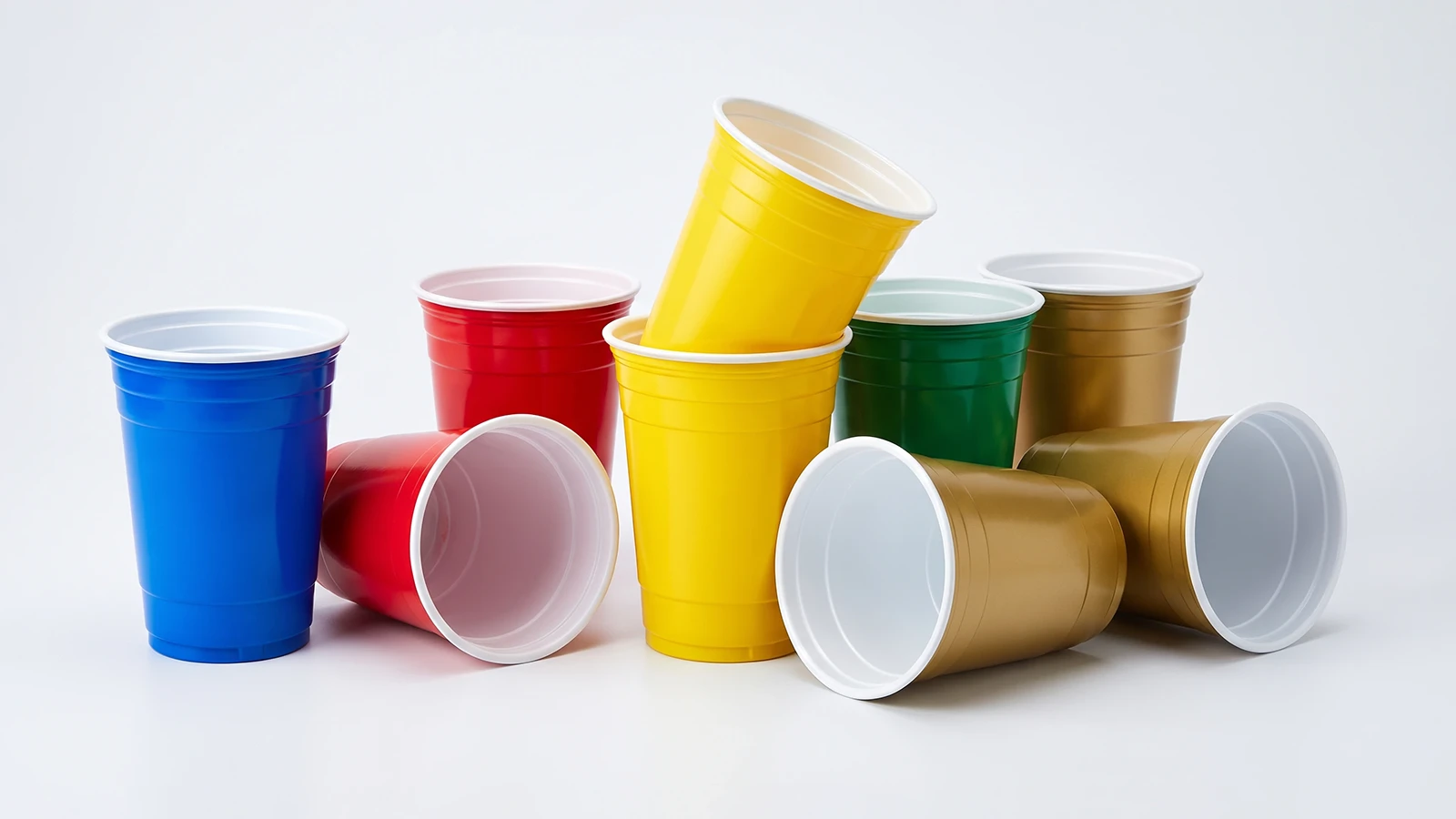

As the food industry faces increasing environmental concerns, plastic waste has become a significant issue. Biodegradable utensils offer an eco-friendly alternative, helping trendy restaurants align with sustainability trends and reducing their environmental footprint.
Biodegradable utensils made from renewable materials such as bamboo, cornstarch, and sugarcane fiber are rapidly gaining popularity in trendy restaurants. These eco-friendly alternatives help reduce plastic waste and appeal to environmentally-conscious diners.
Explore how biodegradable utensils are transforming the dining experience in trendy restaurants, providing both sustainability and a modern touch to the food scene.
The Environmental Challenge of Traditional Utensils
The restaurant industry, particularly in trendy and upscale dining establishments, is increasingly under pressure to reduce its environmental impact. Traditional single-use plastic utensils, while convenient, contribute significantly to global plastic pollution. These plastics take hundreds of years to decompose, clogging landfills, polluting oceans, and harming wildlife. As a result, there has been a shift towards more sustainable alternatives.
Biodegradable utensils offer a solution. Made from materials like bamboo, sugarcane, cornstarch, and bioplastics, these utensils decompose naturally, leaving no lasting impact on the environment. They provide the same level of convenience and functionality as plastic but with the added benefit of being eco-friendly, compostable, and safe for use in a wide range of dining settings.
Key Benefits of Biodegradable Utensils in Trendy Restaurants
- Sustainability: Biodegradable utensils are made from renewable, plant-based materials, helping reduce plastic waste and promote environmental stewardship.
- Positive Brand Image: Trendy restaurants that embrace eco-friendly practices attract environmentally-conscious diners and align with sustainability values.
- Compostability: Unlike plastic, biodegradable utensils break down naturally, reducing landfill waste and contributing to a circular economy.
- Health and Safety: Biodegradable utensils are free from toxic chemicals such as BPA, making them safer for both consumers and the environment.
- Stylish and Functional: Modern biodegradable utensils are available in a variety of designs and are durable enough for use in a variety of food service scenarios, from casual dining to fine dining.
Why Are Trendy Restaurants Switching to Biodegradable Utensils?
- Eco-Conscious Consumers: As sustainability becomes a key factor for consumers, restaurants are responding by offering environmentally-friendly dining options.
- Regulatory Pressure: Many cities and countries are imposing bans on single-use plastics, prompting restaurants to adopt biodegradable alternatives.
- Brand Loyalty: Eco-friendly practices strengthen restaurant brands, building loyalty among customers who prioritize sustainability.
- Cost-Effectiveness in the Long Term: As biodegradable utensils become more mainstream, their prices are dropping, making them a cost-effective option for many businesses.
How Biodegradable Utensils Are Changing the Restaurant Industry
- Appeal to Millennial and Gen Z Diners: These generations are more environmentally conscious and actively seek out restaurants with sustainable practices.
- Increased Market Availability: The availability of biodegradable utensils has expanded, with restaurants having access to a wide range of high-quality, stylish options.
- Collaboration with Eco-Friendly Suppliers: Restaurants are increasingly partnering with suppliers who specialize in sustainable packaging and utensils, ensuring their commitment to eco-conscious dining.
Challenges in the Adoption of Biodegradable Utensils
- Cost: While biodegradable utensils are often more expensive than traditional plastic, many restaurants find the long-term environmental and branding benefits justify the investment.
- Durability Issues: Some biodegradable utensils may not perform as well as plastic, particularly in wet or hot conditions. Manufacturers are addressing these concerns through improved materials and designs.
- Lack of Infrastructure: In some regions, there is a lack of composting infrastructure, which can hinder the disposal of biodegradable products. Educating customers and establishing proper disposal methods is essential.
Despite these challenges, the trend toward biodegradable utensils is gaining momentum as restaurants and consumers alike recognize the importance of sustainability in the food service industry.