
The environmental impact of single-use plastics in food service is dire, with massive waste and pollution threatening ecosystems worldwide. Manufacturers turning to bagasse packaging offer a solution that minimizes waste and aligns with sustainability goals.
Bagasse, the fibrous byproduct of sugarcane processing, is biodegradable, compostable, and a low-carbon alternative to plastics, making it an essential material for eco-friendly packaging solutions in the food service industry.
Discover how bagasse packaging manufacturers are innovating solutions to balance environmental sustainability and cost-effectiveness in food service packaging.
The Growing Problem of Unsustainable Packaging in Food Service
The global food service industry generates over 300 million tons of plastic waste annually, much of it non-biodegradable. Single-use plastics dominate the market due to their low cost and convenience. However, the consequences are grave: oceanic pollution, soil degradation, and a rising carbon footprint. With increased consumer awareness and stricter government regulations, the demand for sustainable alternatives has never been more urgent.
Bagasse-based packaging addresses these pain points. Unlike petroleum-based plastics, bagasse is biodegradable within 90 days under industrial composting conditions and naturally decomposes without leaving harmful residues. Its use significantly reduces reliance on non-renewable resources and aligns with global efforts to curb climate change.
The Science Behind Bagasse Packaging
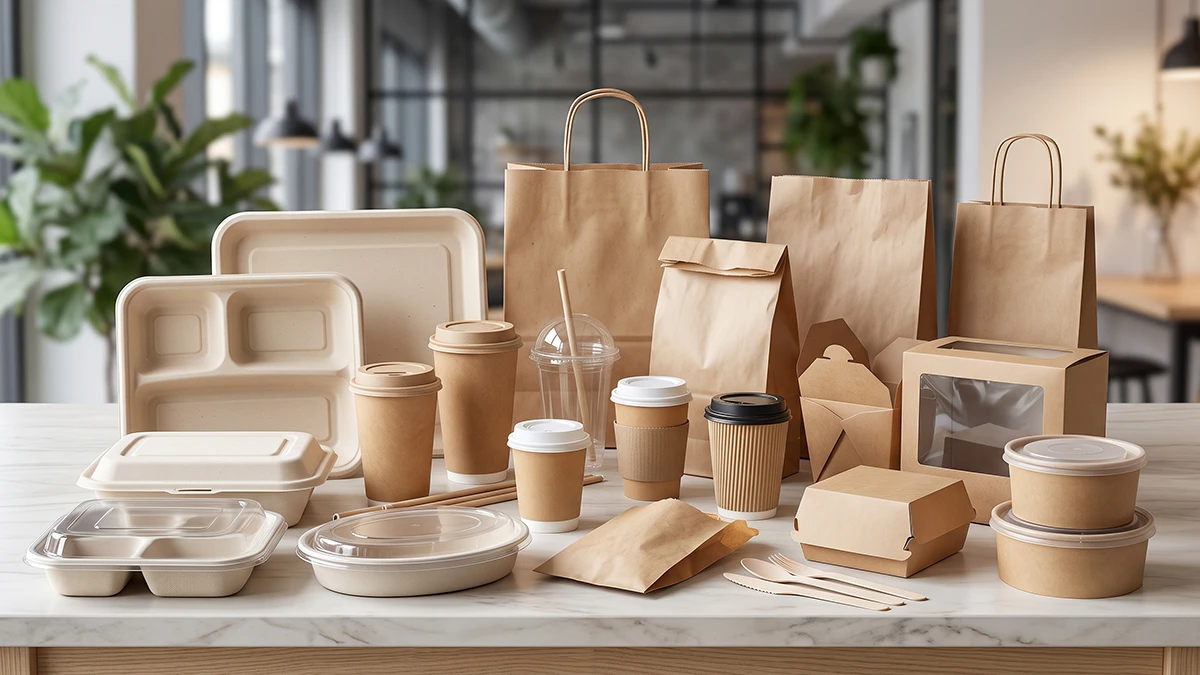
Bagasse, a byproduct of sugarcane processing, is rich in cellulose, making it ideal for creating sturdy, heat-resistant, and moisture-proof food containers. Its natural properties allow manufacturers to mold it into plates, bowls, cups, and trays suitable for both hot and cold foods.
Key benefits include:
- Eco-friendliness: Bagasse is 100% compostable and decomposes faster than other organic materials.
- Renewability: As a sugarcane byproduct, bagasse is abundantly available, making it a sustainable resource.
- Cost-efficiency: Advances in production technology are reducing the cost disparity between bagasse and plastic packaging.
Challenges in Adopting Bagasse Packaging
Despite its advantages, the widespread adoption of bagasse packaging faces obstacles:
- Higher Initial Costs: Bagasse products remain more expensive than traditional plastic options, though the gap is narrowing.
- Limited Availability: The dependency on sugarcane production regions restricts global accessibility.
- Consumer Perception: Some consumers question its durability compared to plastics, requiring greater education and awareness campaigns.
Major Bagasse Packaging Manufacturers
Several companies are leading the way in bagasse-based packaging innovation:
- Huhtamaki: A global leader in sustainable food packaging, Huhtamaki offers a comprehensive range of bagasse products.
- Eco-Products: Focused on compostable solutions, they deliver bagasse packaging options designed for the food service sector.
- Biopak: Known for eco-conscious designs, Biopak emphasizes carbon neutrality in their production processes.
These manufacturers are leveraging cutting-edge technology and supply chain innovation to meet the rising demand for sustainable solutions.
The Future of Bagasse in Food Service
Governments worldwide are adopting single-use plastic bans and incentivizing the use of biodegradable materials. The European Union’s Directive on Single-Use Plastics and similar policies in countries like India and Canada create opportunities for bagasse to emerge as the dominant eco-friendly packaging choice.
Additionally, consumer preferences are evolving. Surveys show that 72% of consumers prefer eco-friendly packaging, with many willing to pay a premium for sustainability. As production scales up and costs decrease, bagasse is set to become a mainstream solution for food service.