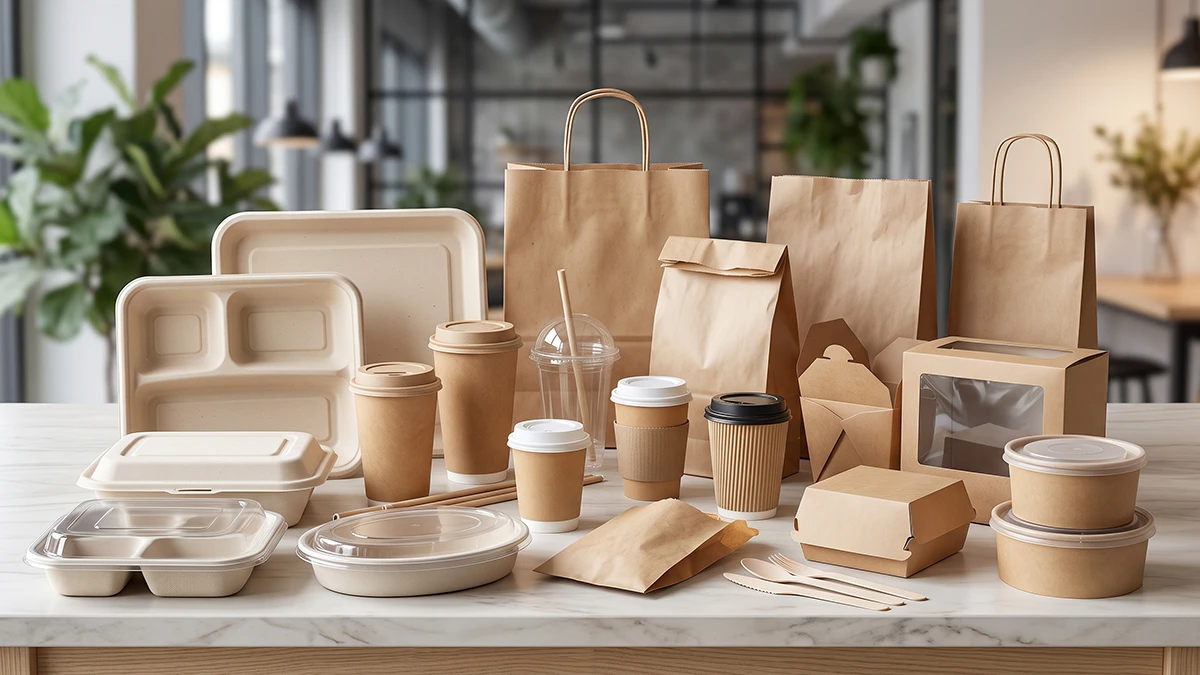

Plastic waste from food delivery packaging is overwhelming the planet, causing pollution and harming ecosystems. Sugarcane fiber packaging offers a sustainable, biodegradable solution, reducing environmental impact while maintaining packaging quality.
Derived from renewable bagasse, sugarcane fiber packaging is durable, heat-resistant, and compostable, making it an eco-friendly choice for the growing food delivery industry worldwide.
Discover how sugarcane fiber packaging is transforming food delivery with innovative solutions for sustainability and efficiency.
The Plastic Problem and the Rise of Sugarcane Fiber Packaging
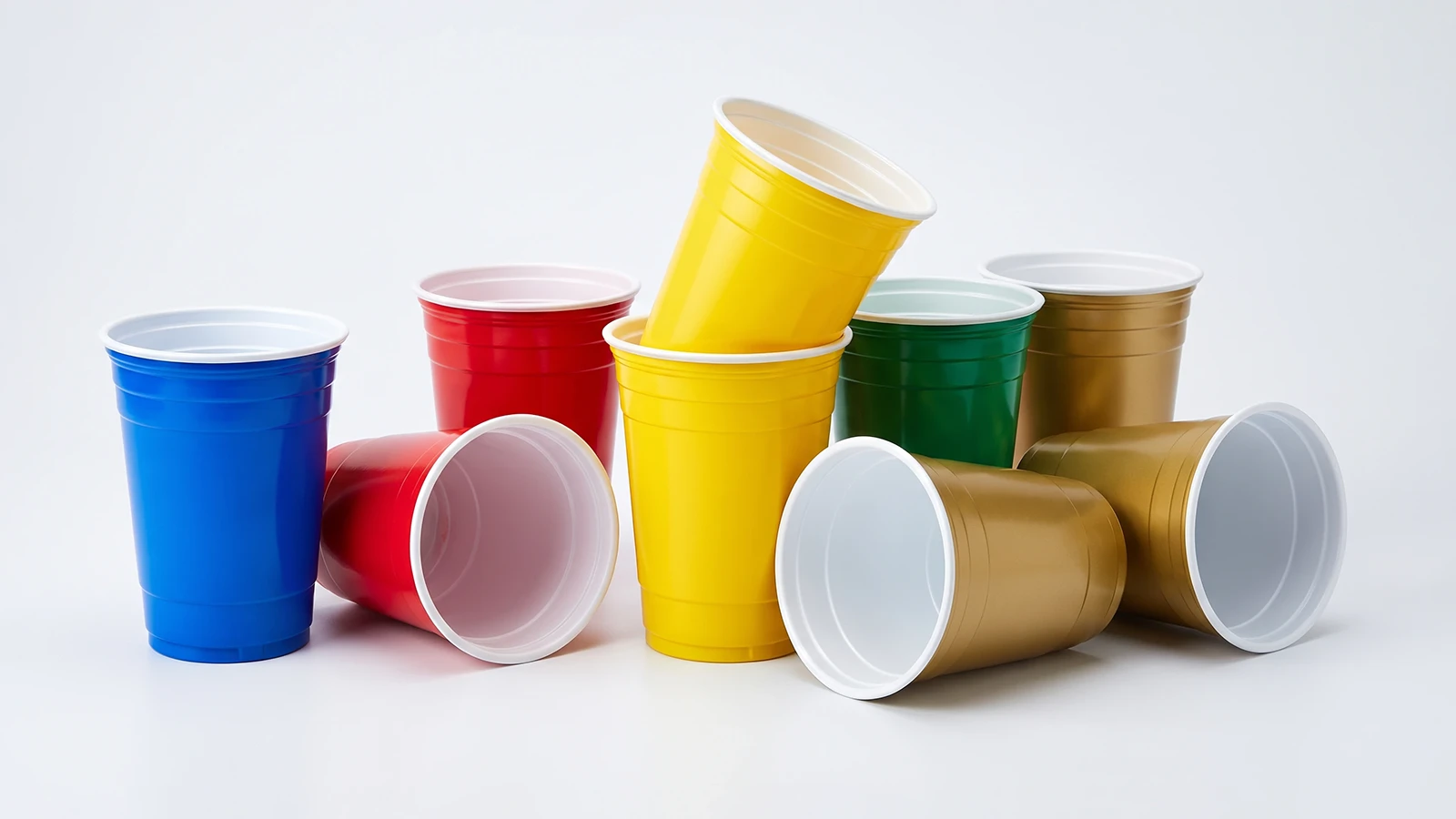
The food delivery industry is booming, but it has a significant downside—single-use plastic waste. Traditional plastic containers are non-biodegradable, taking hundreds of years to decompose and contributing to pollution in oceans and landfills. This poses severe threats to marine life and the global environment.
Sugarcane fiber packaging, made from bagasse, offers a groundbreaking alternative. Bagasse is the fibrous residue left after extracting juice from sugarcane. Once considered waste, it is now repurposed to create durable, compostable, and eco-friendly food packaging that addresses the growing need for sustainability in food delivery.
Advantages of Sugarcane Fiber Packaging
- Sustainability: As a byproduct of sugar production, bagasse repurposes agricultural waste, promoting a circular economy.
- Biodegradability: Sugarcane fiber packaging decomposes naturally within 60-90 days in composting conditions, significantly reducing landfill waste.
- Durability: Despite being lightweight, it is sturdy enough to handle hot, oily, or wet foods, meeting diverse delivery needs.
- Microwave and Freezer Safe: It withstands high temperatures and freezing conditions, making it versatile for food service.
- Eco-Friendly Manufacturing: Production processes consume fewer resources than plastic manufacturing, reducing carbon emissions.
Applications in the Food Delivery Industry
- Restaurants and Cloud Kitchens: Widely used for takeaway meals and catering to eco-conscious customers.
- Meal Subscription Services: Ideal for pre-packaged, portioned meals delivered daily or weekly.
- Street Food Vendors: Sugarcane trays and containers offer an affordable and sustainable packaging solution.
- Event Catering: Provides a professional and environmentally friendly alternative to plastic disposables.
Trends Driving Adoption
The shift toward sustainable food packaging is driven by increasing consumer awareness, stricter environmental regulations, and advancements in packaging technology. Key trends include:
- Government Mandates: Countries like India and the European Union have banned single-use plastics, encouraging biodegradable alternatives like sugarcane fiber.
- Brand Differentiation: Businesses embracing eco-friendly packaging enhance their reputation and attract environmentally conscious customers.
- Cost Efficiency: Innovations in production are making sugarcane packaging more affordable for large-scale use.
- Customization: Companies are opting for branded sugarcane packaging to showcase their commitment to sustainability.
Challenges and Opportunities
While sugarcane fiber packaging is transformative, challenges remain:
- Cost Barriers: Initially higher costs than plastic can deter small businesses, though bulk production reduces this gap over time.
- Infrastructure Limitations: Limited availability of industrial composting facilities in certain regions hampers widespread adoption.
- Consumer Education: Raising awareness about proper disposal methods is crucial for maximizing the benefits of biodegradable packaging.
By addressing these challenges, the food delivery industry can fully embrace sugarcane fiber packaging as a scalable and sustainable solution.