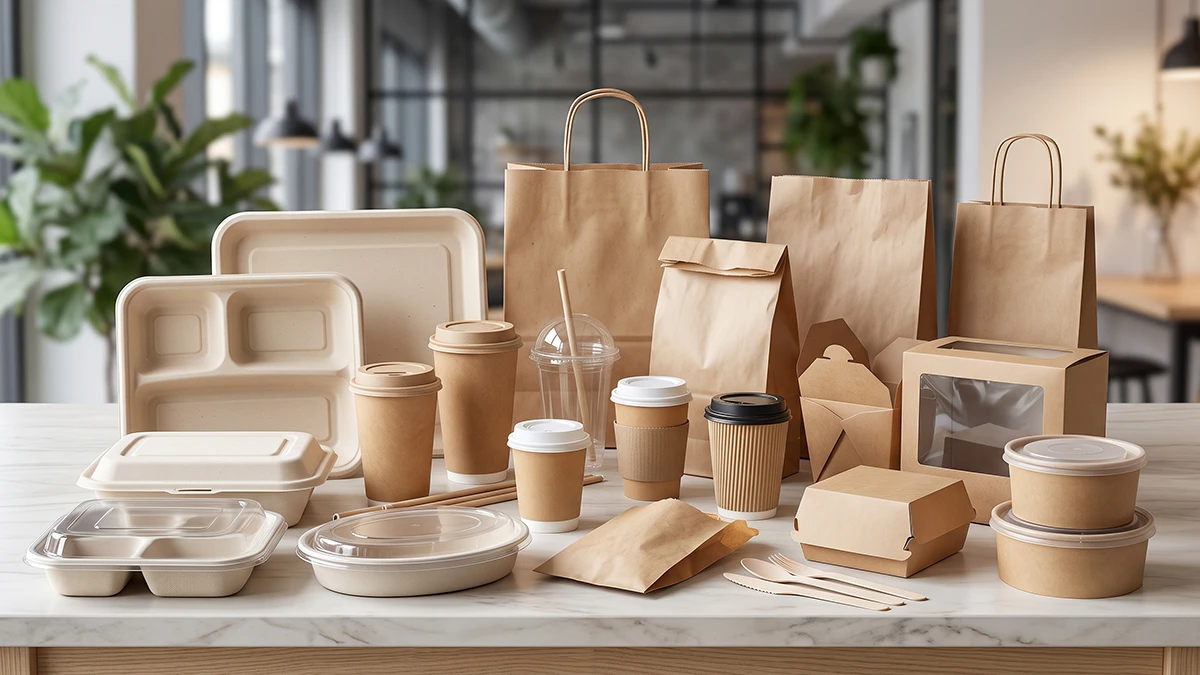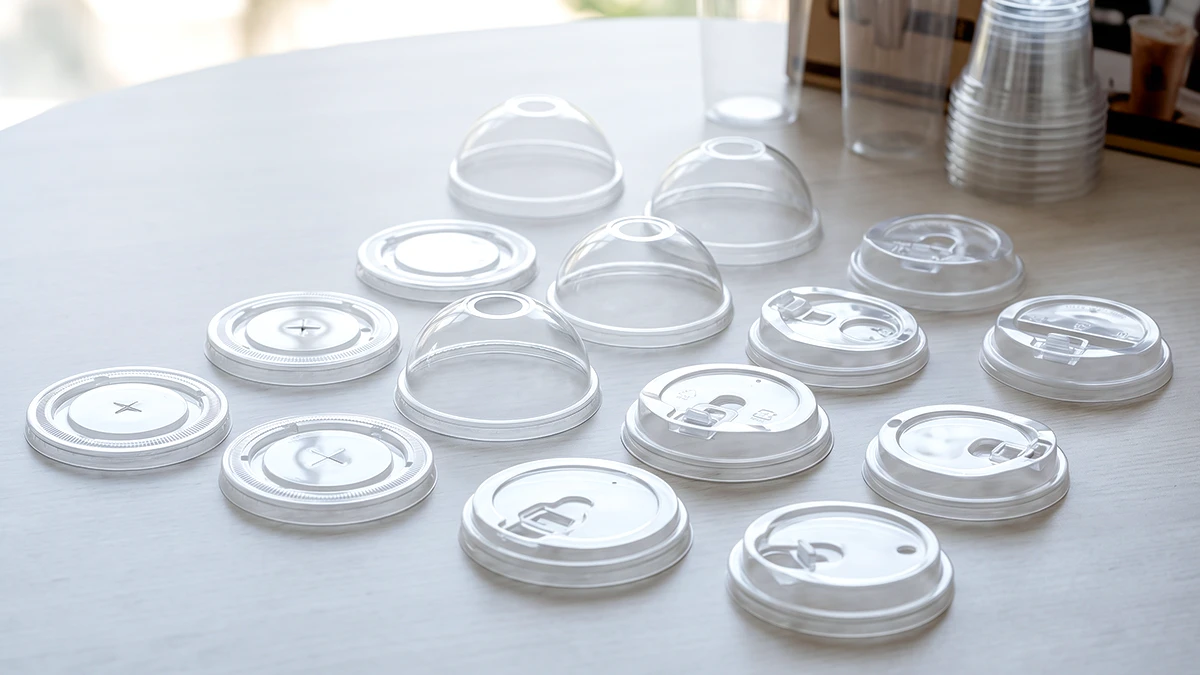
Plastic packaging is contributing significantly to global pollution, creating long-term environmental issues. Biodegradable food packaging materials offer a sustainable solution, reducing waste and supporting eco-friendly practices in food industries.
Biodegradable food packaging materials are made from renewable resources and decompose naturally, providing an eco-conscious alternative to traditional plastics. They are durable, safe, and contribute to reducing environmental impact.
Explore how biodegradable food packaging materials are revolutionizing the packaging industry, offering both environmental and functional benefits.
A Growing Need for Sustainable Food Packaging
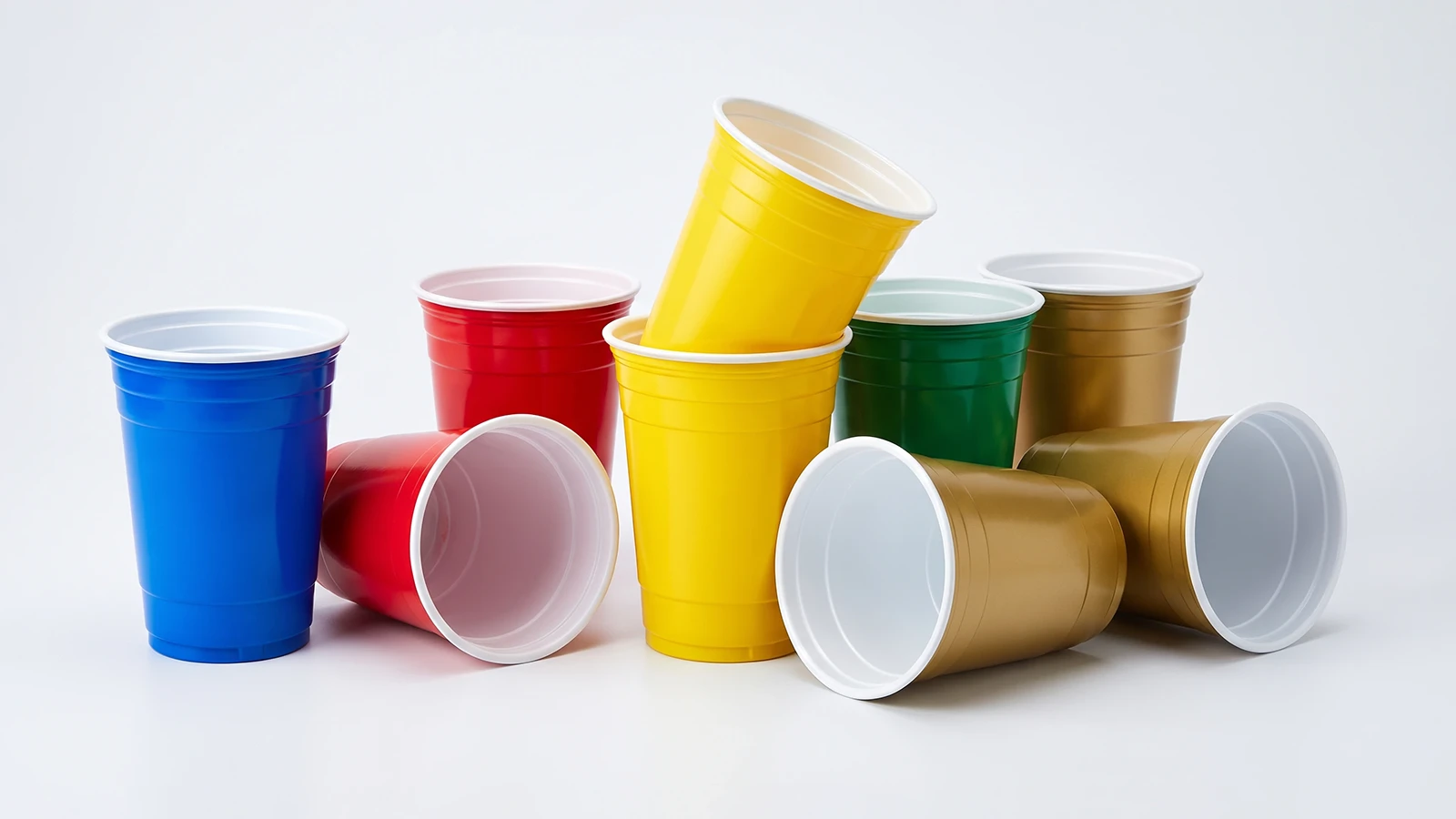
The food packaging industry is one of the largest contributors to environmental pollution, particularly due to the widespread use of plastic. Single-use plastic packaging takes hundreds of years to degrade and often ends up in landfills or oceans, causing serious ecological damage. As consumers and governments demand more sustainable practices, the need for biodegradable alternatives has never been greater.
Biodegradable food packaging materials present a promising solution. Made from renewable resources like plant starch, cellulose, sugarcane fiber, and bioplastics, these materials break down into natural substances, leaving minimal impact on the environment. They not only help reduce the pollution associated with plastic packaging but also support a circular economy by relying on plant-based resources.
Key Properties and Characteristics of Biodegradable Food Packaging Materials
- Renewable and Compostable: Biodegradable materials are derived from renewable resources, and they break down naturally in composting environments, unlike plastics that persist for decades.
- Reduced Carbon Footprint: Manufacturing biodegradable packaging typically results in lower carbon emissions compared to producing conventional plastic.
- Safety and Non-Toxic: Biodegradable packaging materials do not leach harmful chemicals into food, making them a safe alternative for consumers.
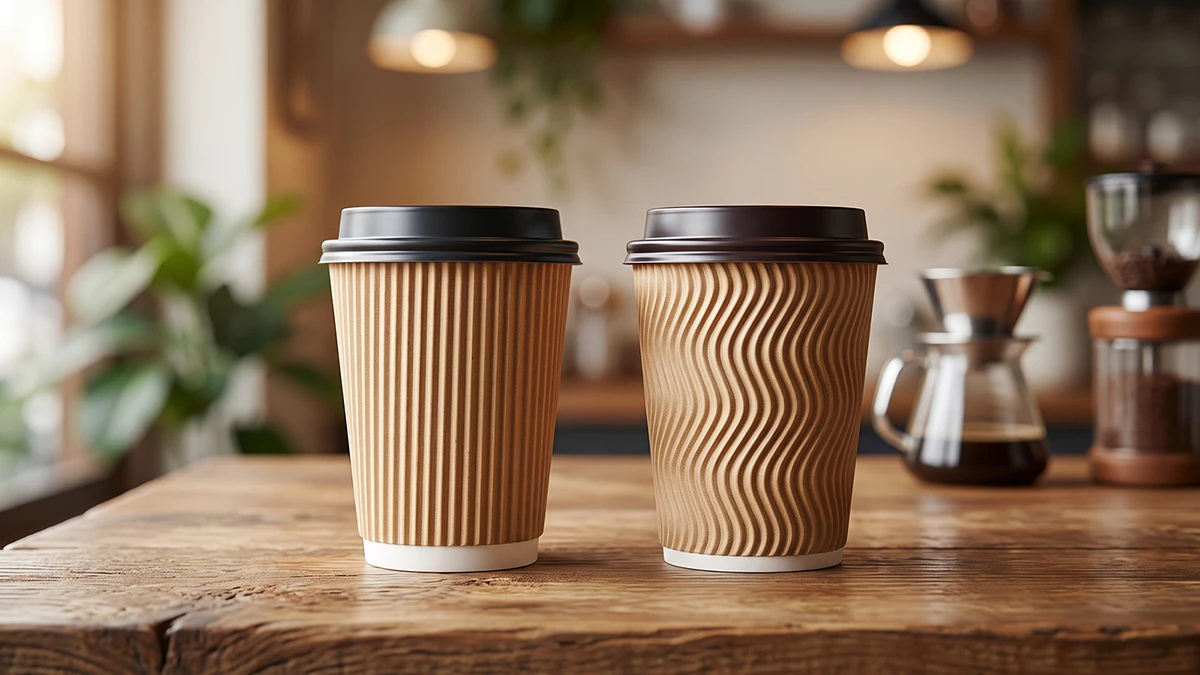
- Heat and Moisture Resistance: Many biodegradable materials offer heat resistance, making them suitable for hot foods, beverages, and takeaway meals.
- Versatility: Available in a variety of forms, such as containers, wraps, and trays, biodegradable packaging is adaptable to different food types and serving sizes.
Benefits of Using Biodegradable Food Packaging
- Environmental Impact: The most significant advantage is the reduction of plastic waste, contributing to less pollution and a cleaner planet.
- Consumer Demand: With growing environmental awareness, consumers increasingly favor brands that use sustainable, biodegradable packaging.
- Brand Loyalty: By switching to biodegradable packaging, food businesses can align with eco-friendly values, fostering brand loyalty and attracting sustainability-conscious customers.
- Compliance with Regulations: Many governments are introducing regulations that ban or restrict single-use plastics, making biodegradable packaging essential for compliance.
- Waste Reduction: Biodegradable packaging is often compostable, reducing the need for landfill space and contributing to a circular waste management system.
Innovations in Biodegradable Food Packaging
The field of biodegradable food packaging is evolving rapidly with new material innovations. Companies are working on developing advanced bioplastics and edible packaging, which offer even more sustainable options for food service and retail.
Emerging trends include:
- Plant-Based Alternatives: Materials derived from plants like cornstarch, sugarcane fiber, and seaweed are being refined for packaging applications.
- Smart Packaging: Incorporating features like QR codes or time-temperature indicators that help businesses track the quality and sustainability of packaging materials.
- Water-Soluble Packaging: Innovations in water-soluble films and bags for food products that fully dissolve in water, offering a complete environmental solution.
The development of these materials reflects the broader trend towards circular economy principles, where packaging is designed to be fully recyclable or biodegradable, minimizing waste generation.
Overcoming Challenges and Barriers
Despite their advantages, biodegradable food packaging materials do face challenges:
- Cost: Biodegradable packaging can be more expensive than plastic alternatives, though increased demand and manufacturing efficiencies are driving down costs.
- Limited Availability: Biodegradable materials are still less widely available than plastics, and their adoption may require changes in packaging infrastructure.
- Performance Variability: The performance of biodegradable packaging can vary depending on factors such as temperature, moisture, and storage conditions.
Addressing these barriers requires investment in research and development, as well as expanding composting infrastructure and consumer education on proper disposal methods.