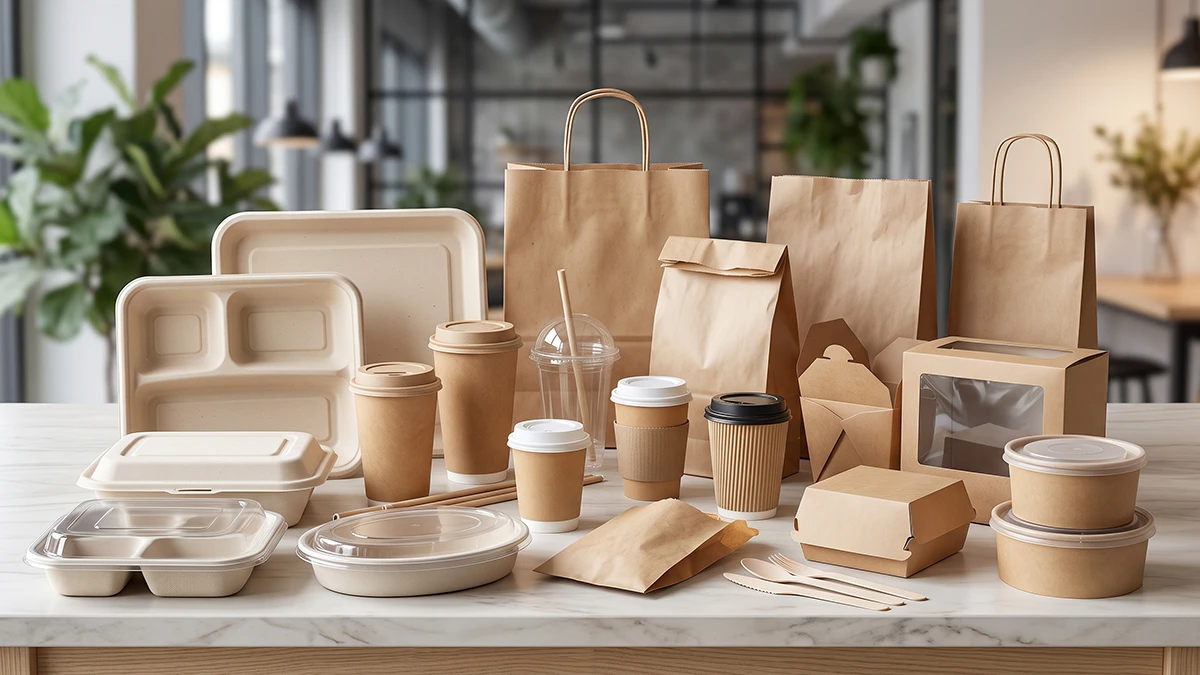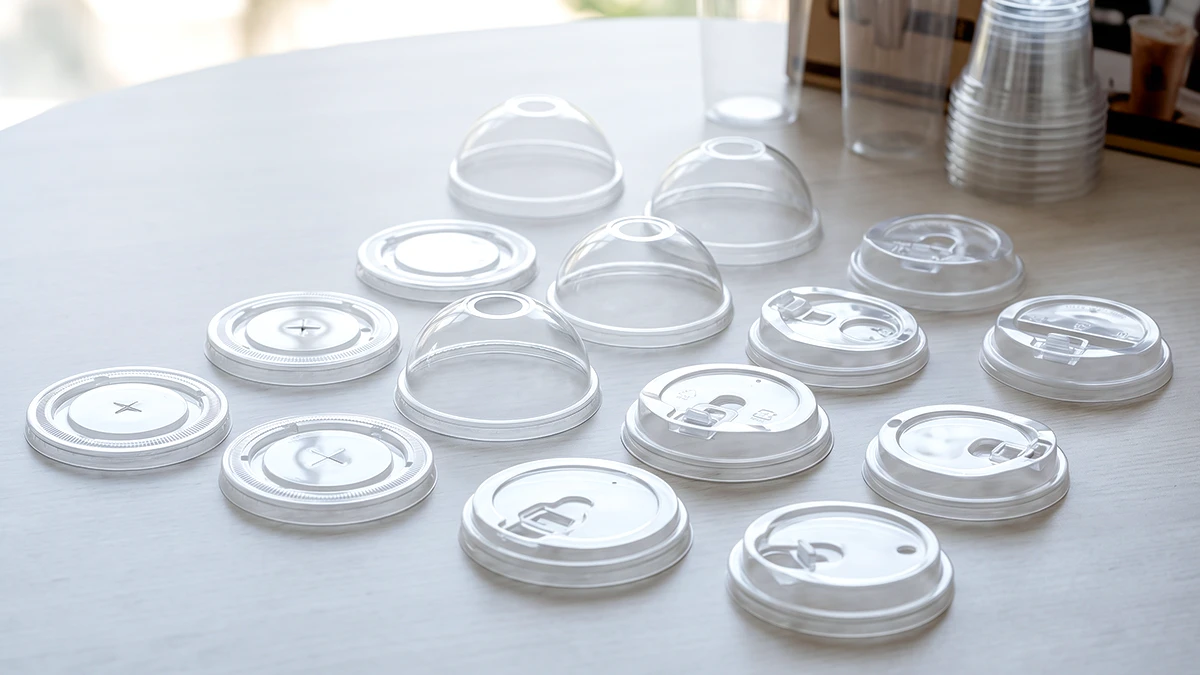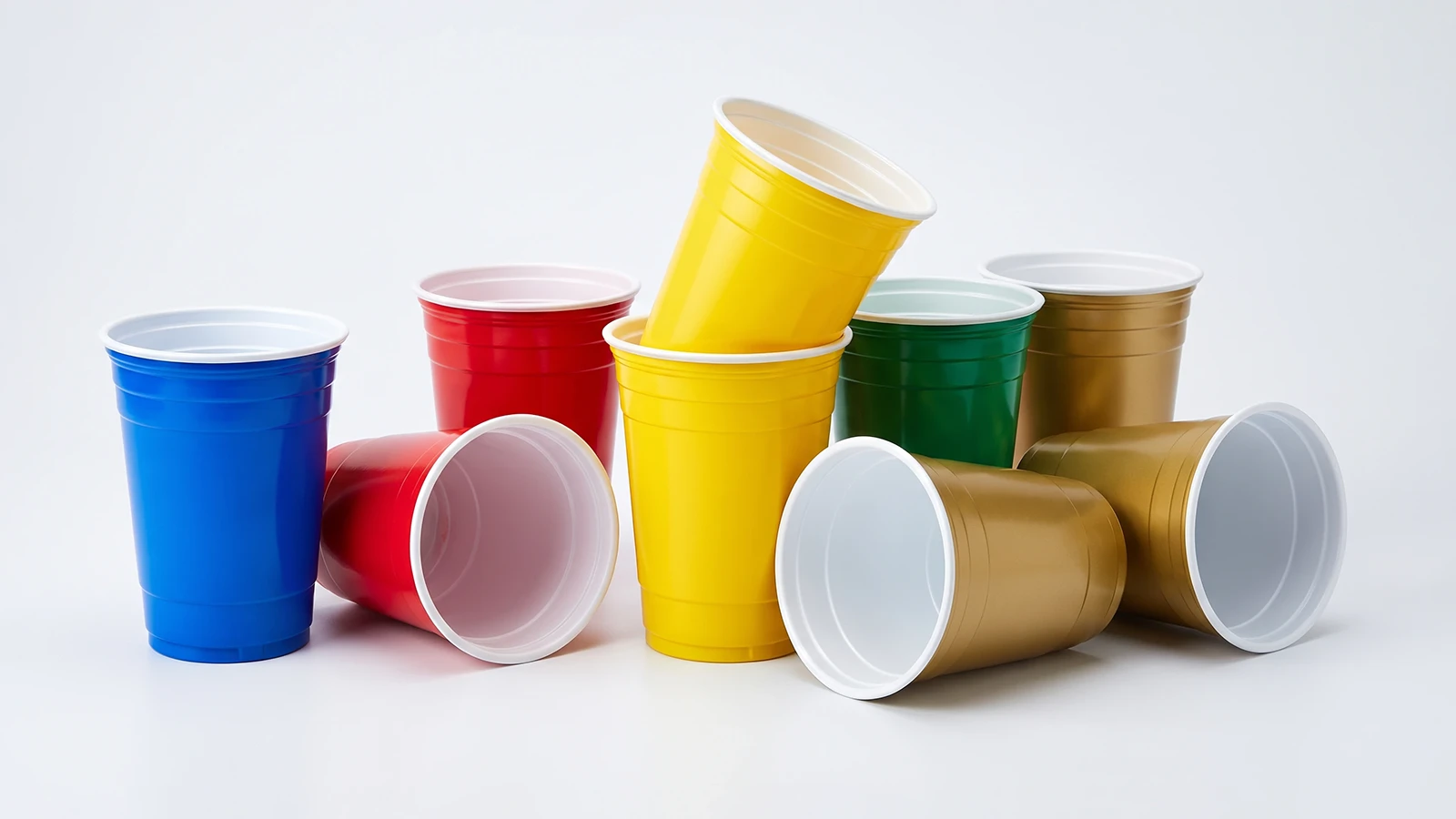

Plastic packaging has led to growing environmental concerns, especially in food industries. Biodegradable materials offer a solution, reducing waste and contributing to sustainable practices. Learn how this shift benefits businesses and consumers.
Biodegradable food packaging materials, such as those made from plant-based substances like corn starch and sugarcane fiber, offer eco-friendly alternatives to conventional plastic. These materials break down naturally, reducing waste and pollution.
Explore the advantages of biodegradable food packaging and how it’s transforming industries towards sustainable solutions.
The Environmental Impact of Traditional Packaging
Traditional food packaging, particularly plastic, has become a major environmental challenge. Single-use plastics contribute to the global waste crisis, with millions of tons accumulating in landfills and oceans each year. Plastics are non-biodegradable, taking hundreds of years to decompose, which significantly harms ecosystems and wildlife. As consumer awareness of plastic pollution grows, there is increasing pressure on businesses to adopt more sustainable alternatives.
Biodegradable food packaging offers a powerful solution. Made from renewable resources such as cornstarch, sugarcane fiber, and plant-based plastics, biodegradable packaging can break down within a much shorter time frame. This significantly reduces the long-term environmental impact of packaging waste.
Key Benefits of Biodegradable Food Packaging
- Reduction of Plastic Waste: Biodegradable materials decompose naturally, alleviating the long-term environmental damage caused by plastic waste.
- Sustainability: Sourced from renewable plant materials, biodegradable packaging promotes resource efficiency and reduces dependence on fossil fuels.
- Reduced Carbon Footprint: The production and disposal of biodegradable materials have a smaller carbon footprint compared to traditional plastic packaging, contributing to climate change mitigation efforts.
- Compliance with Regulations: Many governments are imposing stricter regulations on plastic waste. Biodegradable packaging meets these environmental standards, helping companies stay compliant.
- Healthier Options: Unlike plastics, many biodegradable packaging materials are free from harmful chemicals like BPA, making them safer for consumers.
How Is Biodegradable Food Packaging Transforming the Industry?
- Consumer Demand for Sustainability: Growing concern about plastic pollution has led consumers to favor businesses that offer eco-friendly packaging, creating a market shift toward biodegradable solutions.
- Innovation and Customization: Manufacturers are developing new biodegradable materials that are not only environmentally friendly but also strong, flexible, and versatile for a variety of food products.
- Cost vs. Long-Term Benefits: While biodegradable packaging may cost more initially, it can offer long-term savings by improving brand image, meeting regulatory requirements, and potentially reducing waste management costs.
- Brand Loyalty and Marketability: As consumers increasingly prioritize sustainability, brands that adopt biodegradable packaging gain customer trust and enhance their marketability in a competitive industry.
Challenges and Solutions in Biodegradable Packaging
While the benefits of biodegradable packaging are clear, there are some challenges in its widespread adoption:
- Higher Production Costs: Biodegradable materials tend to be more expensive than conventional plastics, which can be a barrier for small businesses. However, as demand increases, production costs are expected to decrease.
- Limited Availability of Composting Infrastructure: While biodegradable packaging can break down quickly, it still requires appropriate composting facilities to fully decompose. The lack of universal composting infrastructure can hinder the effectiveness of these products.
- Durability Concerns: Some biodegradable materials may not be as durable or heat-resistant as traditional plastic, making them less suitable for some types of food packaging.
However, ongoing innovations in material science are addressing these issues, making biodegradable food packaging more affordable, durable, and easier to dispose of in an environmentally friendly manner.
The Future of Biodegradable Food Packaging
- Advancements in Material Science: As technology advances, more durable and affordable biodegradable packaging materials are being developed, offering even greater environmental benefits.
- Circular Economy: Biodegradable packaging plays a key role in a circular economy by reducing waste, reusing materials, and minimizing environmental impact through composting.
- Increased Market Penetration: As consumer demand grows and supply chains evolve, biodegradable packaging is expected to become more widespread across various industries, including fast food, groceries, and takeout.
In Conclusion
Biodegradable food packaging is a game-changer for sustainability, offering environmental, economic, and health benefits while helping reduce plastic waste in the food industry.