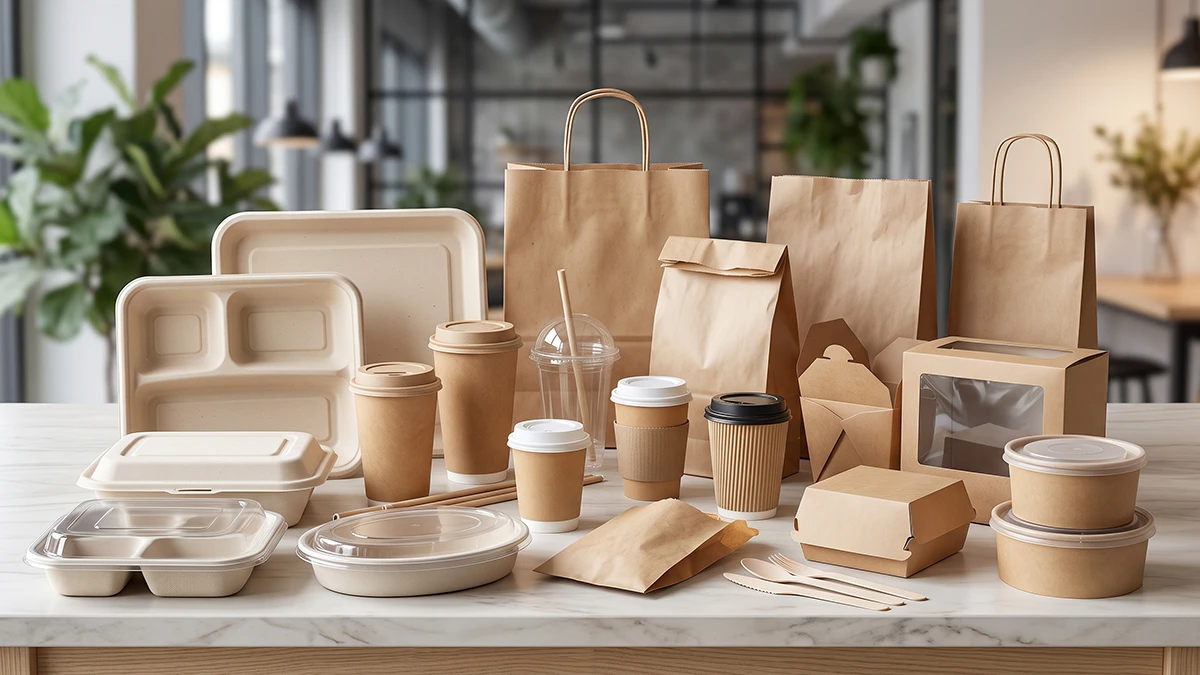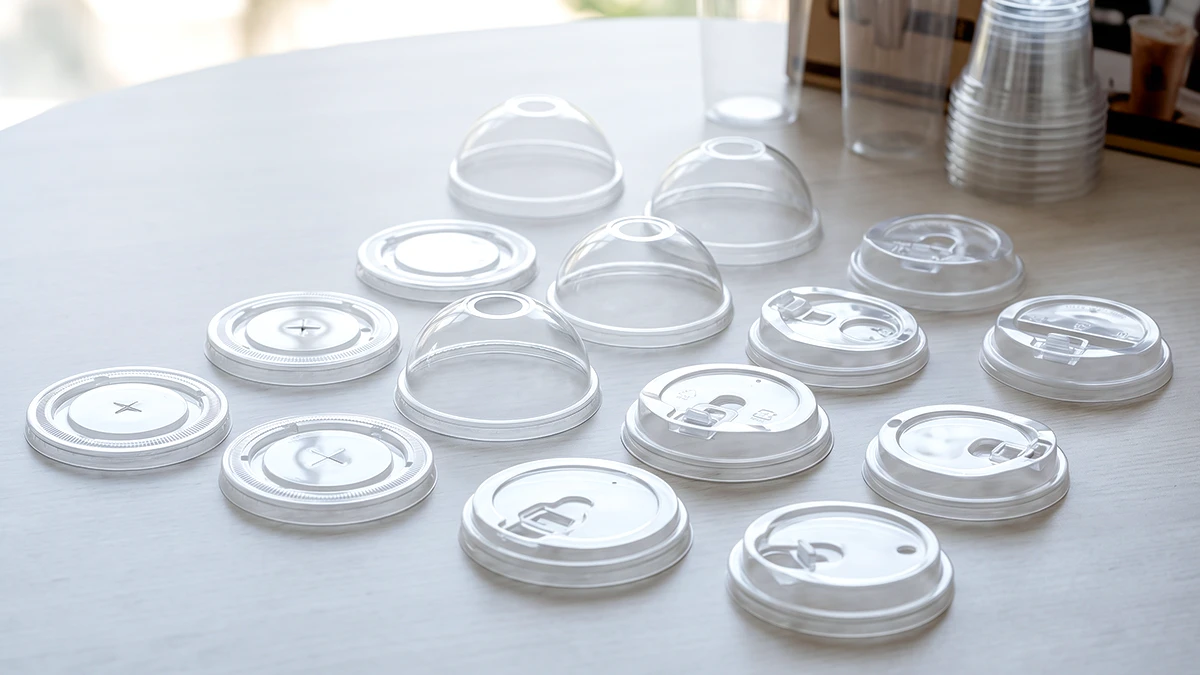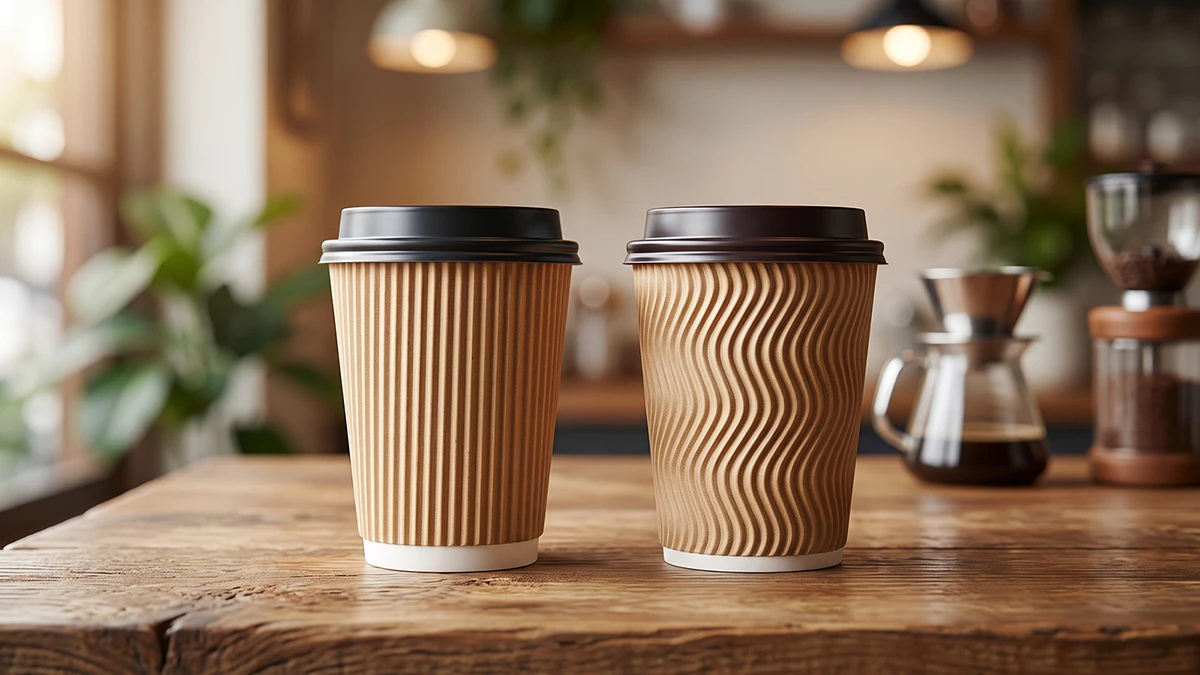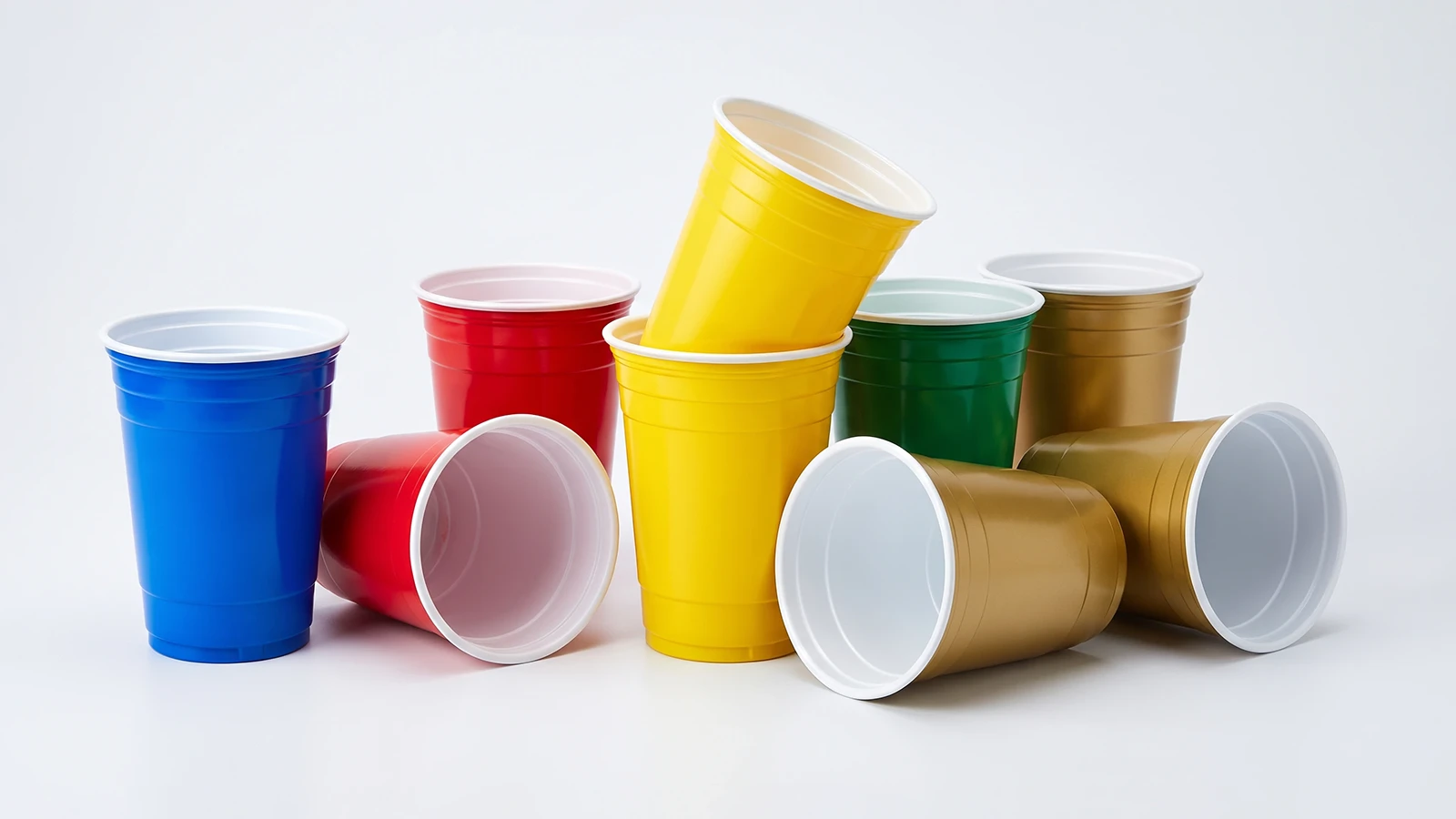
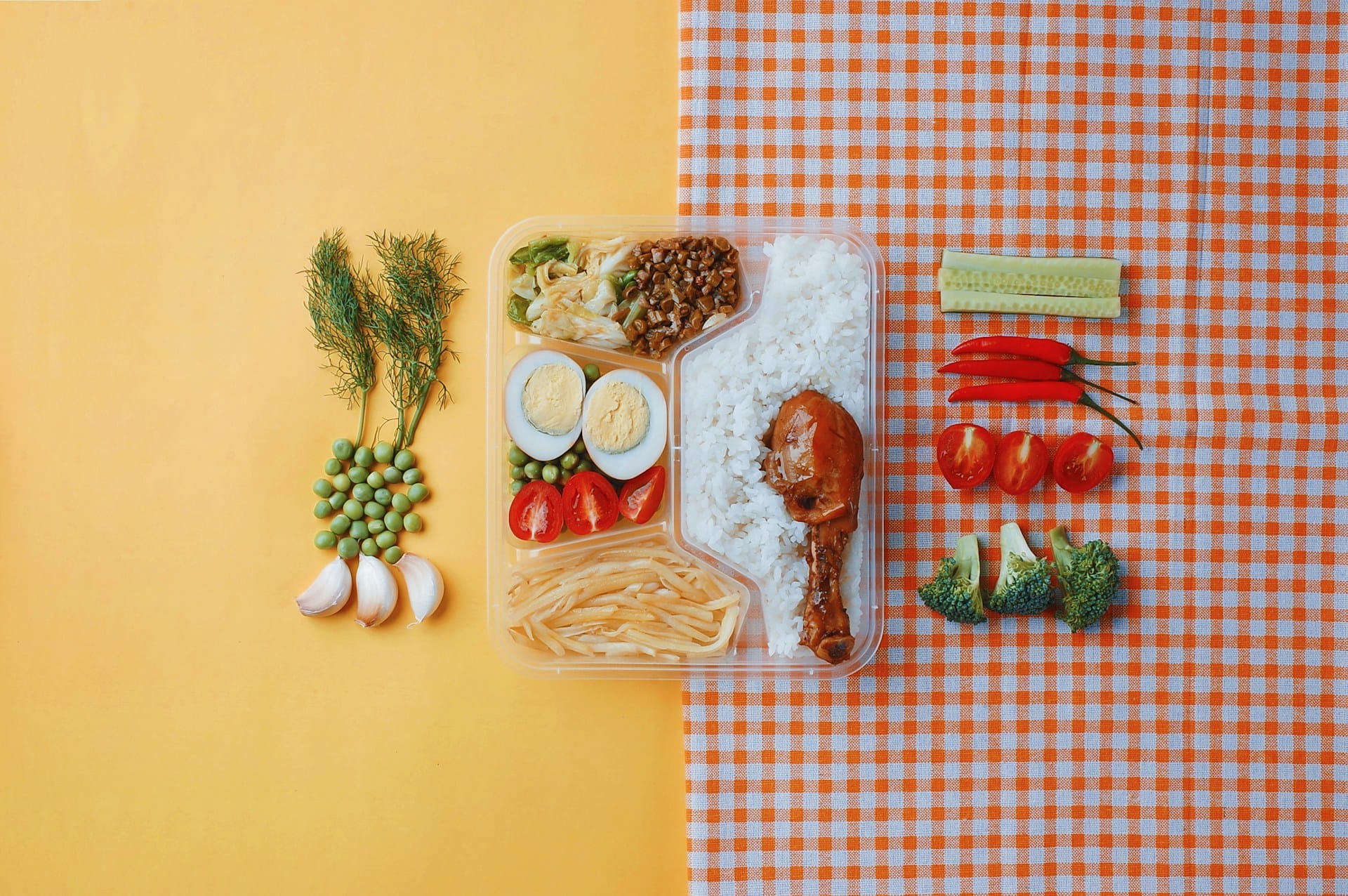
In the fast-paced world of food service, convenience and efficiency are paramount. Bulk disposable food containers with lids have become a staple for restaurants, caterers, and meal prep services alike. These containers offer a practical solution for storing, transporting, and serving food, but are they the right choice for your business? At Reliancepak, we understand the importance of making informed decisions about your food packaging. This guide will explore the advantages and disadvantages of using bulk disposable food containers with lids, helping you determine the best option for your specific needs.
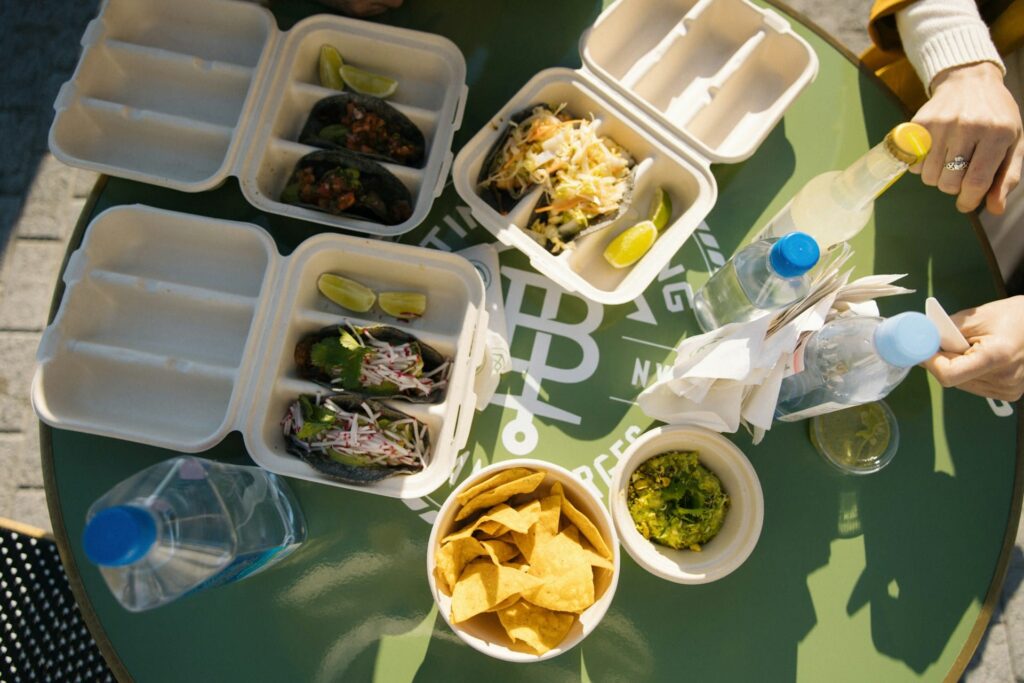
What are the Key Benefits of Using Bulk Disposable Food Containers with Lids?
Enhanced Food Safety and Hygiene
One of the most significant advantages of using disposable food containers with lids is the enhanced food safety1 they provide. Lids create a secure barrier, protecting food from contamination during storage and transport. This is particularly important for businesses that prioritize hygiene and want to ensure their customers receive food that is fresh and safe to consume. Properly sealed containers also help prevent cross-contamination between different food items.
Improved Portion Control and Presentation
Disposable containers with lids offer excellent portion control2, allowing you to accurately measure and package servings. This is essential for maintaining consistency in your menu offerings and managing food costs effectively. Clear lids also provide excellent visibility, showcasing your food and making it more appealing to customers. Neat and uniform packaging can enhance your brand image and create a positive impression.
Convenience and Efficiency for Staff and Customers
Disposable containers are incredibly convenient for both your staff and your customers. They eliminate the need for washing and reusing containers, saving time and labor costs. For customers, disposable containers offer a hassle-free way to enjoy their meals on the go. They can easily dispose of the container after use, without having to worry about returning it. This convenience can lead to increased customer satisfaction and repeat business.
Cost-Effectiveness for High-Volume Operations
Purchasing disposable food containers with lids in bulk can significantly reduce your packaging costs. Bulk buying allows you to take advantage of volume discounts and lower per-unit prices. This is especially beneficial for high-volume operations that use a large number of containers on a daily basis. By streamlining your packaging process and reducing labor costs, you can further improve your overall cost-effectiveness.
What are the Potential Drawbacks of Using Bulk Disposable Food Containers with Lids?
Environmental Impact and Waste Concerns
One of the primary concerns associated with disposable food containers is their environmental impact. Single-use containers contribute to landfill waste and can take hundreds of years to decompose. While some materials are recyclable or compostable, proper disposal is not always guaranteed. Businesses need to consider the environmental implications of their packaging choices and explore sustainable alternatives whenever possible.
Limited Reusability and Durability
Disposable containers are designed for single-use, which means they have limited reusability and durability. They may not be suitable for storing food for extended periods or for transporting heavy or fragile items. The lack of durability can also lead to leakage or damage during transport, potentially resulting in food waste and customer dissatisfaction.
Perceived Lack of Quality or Value
Some customers may perceive disposable containers as being lower in quality or value compared to reusable options. This can be particularly true for upscale restaurants or businesses that prioritize a premium image. It’s important to choose high-quality disposable containers that are visually appealing and functional to overcome this perception.
Storage Space Requirements for Bulk Quantities
Purchasing disposable containers in bulk requires adequate storage space. Businesses need to have sufficient room to store large quantities of containers without them becoming damaged or taking up valuable space. This can be a challenge for smaller operations with limited storage capacity. Efficient inventory management is crucial to minimize storage space requirements and prevent waste.
What Types of Materials are Commonly Used for Bulk Disposable Food Containers with Lids?
Plastic (Polypropylene, PET)
Plastic containers are a popular choice due to their durability, leak-proof properties, and affordability. Polypropylene (PP) containers are heat-resistant and suitable for hot foods, while Polyethylene Terephthalate (PET) containers are clear and ideal for showcasing cold foods. However, plastic is not biodegradable and can contribute to environmental pollution.
Paperboard
Paperboard containers are a more sustainable alternative to plastic. They are made from renewable resources and are biodegradable and compostable. Paperboard containers are suitable for both hot and cold foods, but they may not be as leak-proof as plastic containers.
Bioplastics (PLA)
Bioplastics, such as Polylactic Acid (PLA), are made from renewable resources like cornstarch or sugarcane. They are biodegradable and compostable under specific conditions. PLA containers are often used for cold foods and beverages but are not suitable for hot foods as they can warp or melt.
Aluminum
Aluminum containers are durable, heat-resistant, and recyclable. They are a good option for storing and transporting hot foods, as they can withstand high temperatures without warping or melting. However, aluminum containers are not microwave-safe and can be more expensive than other options.
How Can You Choose the Right Material for Your Bulk Disposable Food Containers with Lids?
Consider the Type of Food You are Serving
The type of food you are serving will influence the best material choice. Hot foods require heat-resistant materials like polypropylene or aluminum, while cold foods can be stored in plastic, paperboard, or PLA containers.
Evaluate Your Sustainability Goals
If sustainability is a priority for your business, consider using paperboard or bioplastic containers. These materials are made from renewable resources and are biodegradable or compostable.
Determine Your Budget
The cost of different materials can vary significantly. Plastic containers are typically the most affordable, while aluminum and bioplastic containers can be more expensive.
Assess Your Storage and Transport Needs
Consider the storage and transport requirements for your containers. Durable materials like plastic and aluminum are better suited for long-distance transport or for storing heavy items.
How Does Reliancepak Ensure Quality and Sustainability in Our Bulk Disposable Food Containers with Lids?
At Reliancepak, we are committed to providing our customers with high-quality, sustainable disposable food containers. We source our materials from trusted suppliers and adhere to strict quality control standards. We offer a wide range of container options, including plastic, paperboard, and bioplastic containers, to meet the diverse needs of our customers. We are also actively working to reduce our environmental impact by promoting the use of sustainable materials and implementing responsible manufacturing practices.
| Material | Benefits | Considerations |
|---|---|---|
| Plastic | Durable, leak-proof, affordable | Not biodegradable, can contribute to pollution |
| Paperboard | Sustainable, biodegradable, compostable | May not be as leak-proof as plastic |
| Bioplastics | Made from renewable resources, biodegradable, compostable | Not suitable for hot foods, requires specific disposal conditions |
| Aluminum | Durable, heat-resistant, recyclable | Not microwave-safe, can be more expensive |
The above data is for reference only.

What Food Safety Certifications Should You Look for When Purchasing Bulk Disposable Food Containers with Lids?
FDA Approval
Ensure that the containers you purchase are FDA-approved for food contact. This certification indicates that the materials used are safe for contact with food and will not leach harmful chemicals into the food.
NSF Certification
NSF International is an independent organization that certifies products for food safety and sanitation. Look for containers that are NSF-certified to ensure they meet rigorous safety standards.
BRC Certification
The British Retail Consortium (BRC) is a global food safety standard that sets requirements for food packaging manufacturers. BRC certification indicates that the manufacturer has implemented a comprehensive food safety management system.
ISO 22000 Certification
ISO 22000 is an international standard for food safety management systems. It specifies the requirements for a food safety management system that can be used by any organization in the food chain.
How Can You Optimize Your Budget When Buying Bulk Disposable Food Containers with Lids?
Negotiate Pricing with Suppliers
Don’t be afraid to negotiate pricing with your suppliers. Bulk purchases often qualify for discounts, and you may be able to negotiate even better pricing by building a strong relationship with your supplier.
Compare Prices from Multiple Suppliers
Get quotes from multiple suppliers to ensure you are getting the best possible price. Compare prices based on material, size, and quantity to find the most cost-effective option.
Consolidate Your Orders
Consolidating your orders can help you save money on shipping and handling costs. Order all of your containers from a single supplier to take advantage of volume discounts and streamlined logistics.
Implement Efficient Inventory Management
Efficient inventory management can help you avoid overstocking and minimize waste. Track your container usage and order only what you need to avoid unnecessary storage costs and spoilage.
How Can You Promote Sustainability to Your Customers When Using Bulk Disposable Food Containers with Lids?
Choose Sustainable Materials
Opt for containers made from sustainable materials like paperboard or bioplastics. These materials are biodegradable or compostable and have a lower environmental impact than plastic.
Offer Recycling or Composting Programs
Implement recycling or composting programs for your customers to properly dispose of their containers. Provide clearly labeled bins and educate customers about the importance of proper disposal.
Partner with Environmental Organizations
Partner with environmental organizations to promote sustainability and raise awareness about the importance of responsible packaging.
Communicate Your Sustainability Efforts
Communicate your sustainability efforts to your customers through your website, social media, and in-store signage. Let them know that you are committed to reducing your environmental impact and that you are using sustainable packaging options.
| Sustainability Initiative | Benefits | Implementation Tips |
|---|---|---|
| Sustainable Materials | Reduces environmental impact, appeals to eco-conscious customers | Choose paperboard, bioplastics, or recycled materials |
| Recycling Programs | Promotes responsible disposal, reduces landfill waste | Provide clearly labeled bins, educate customers about proper disposal |
| Environmental Partnerships | Raises awareness, strengthens brand reputation | Partner with local organizations, participate in community events |
| Transparent Communication | Builds trust, fosters customer loyalty | Share your sustainability efforts on your website and social media |
The above data is for reference only.
Conclusion:
Bulk disposable food containers with lids offer a convenient and cost-effective solution for food service businesses. By carefully considering the benefits and drawbacks, choosing the right materials, and implementing sustainable practices, you can make informed decisions that benefit your business and the environment. At Reliancepak, we are dedicated to providing our customers with high-quality, sustainable disposable food container solutions. Contact us today to learn more about our products and how we can help you optimize your food packaging strategy.