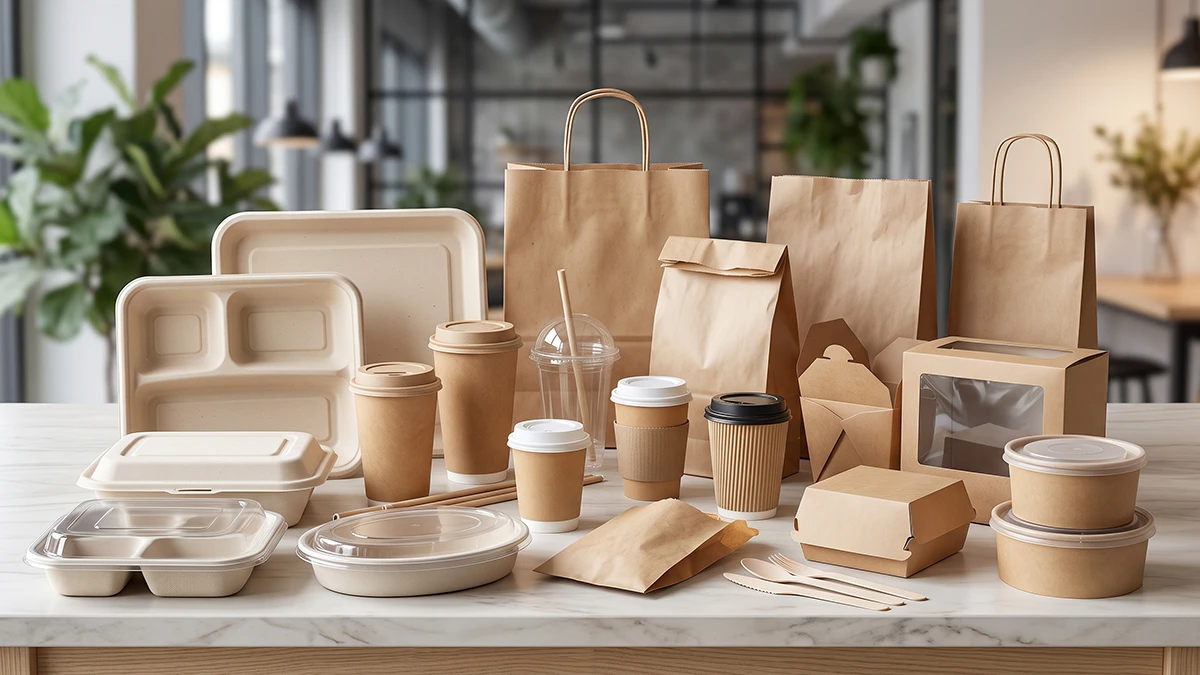
In today’s environmentally conscious market, businesses are increasingly scrutinizing the end-of-life options for their packaging materials. For B2B clients in the food industry, understanding whether kraft paper boxes can be recycled or composted is not just about compliance; it’s about aligning with sustainability goals, reducing environmental impact, and meeting consumer expectations. This blog post will explore the nuances of kraft paper box disposal, detailing their recyclability and compostability, and providing insights to help you make informed decisions for your sustainable packaging strategy.
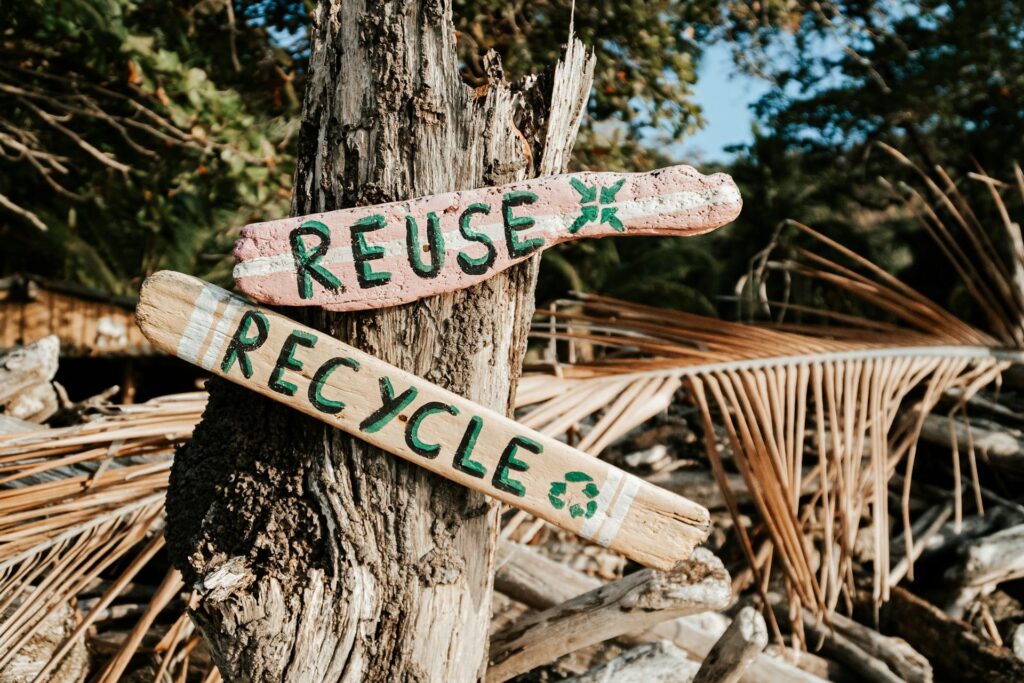
The Recyclability of Kraft Paper Boxes
Kraft paper is inherently a highly recyclable material. Its long, strong fibers make it an excellent candidate for reprocessing into new paper products. This characteristic is a significant advantage for businesses aiming to reduce their environmental footprint and participate in the circular economy.
What Makes Kraft Paper Recyclable?
The primary reason for kraft paper’s recyclability lies in its composition. It is made from wood pulp through the kraft process, which preserves the cellulose fibers, making them durable and easy to separate during recycling. Unlike some other paper types, kraft paper often has fewer additives, which simplifies the recycling process.
Factors Affecting Recyclability
While kraft paper itself is recyclable, certain factors can impact whether a specific kraft paper box can be recycled:
- Cleanliness: Boxes with excessive food residue, grease, or liquids can contaminate the recycling stream. It is crucial for users to empty and, if possible, lightly clean the boxes before disposal.
- Coatings and Linings: Many food-grade kraft paper boxes feature coatings or linings to provide grease and moisture resistance. The type of coating is critical:
- Polyethylene (PE) coatings: These plastic linings, while effective for barrier properties, can make recycling more challenging. Some specialized recycling facilities can process them, but they are not universally accepted in standard paper recycling programs.
- Wax coatings: Waxed kraft paper is generally not recyclable through conventional paper recycling methods, as the wax interferes with the pulping process.
- PLA (Polylactic Acid) linings: PLA is a plant-based bioplastic. While it provides barrier properties, its recyclability with paper can vary. It is often designed for industrial composting rather than paper recycling.
- Adhesives and Inks: The type of adhesives and inks used can also affect recyclability, though most modern food-safe inks and glues are designed to be compatible with recycling processes.
Best Practices for Recycling Kraft Paper Boxes
To maximize the recyclability of kraft paper boxes, consider the following:
- Check Local Guidelines: Recycling rules vary significantly by municipality. Always consult local recycling programs for specific instructions on what is accepted.
- Remove Contaminants: Encourage end-users to remove any large food scraps and flatten the boxes.
- Separate if Necessary: If a box has a non-recyclable coating or is heavily soiled, it may need to be disposed of as general waste or composted if certified compostable.
By understanding these factors, businesses can better guide their customers and ensure their kraft paper packaging contributes positively to recycling efforts.
The Compostability of Kraft Paper Boxes
Compostability offers another environmentally sound end-of-life solution for kraft paper boxes, particularly for those used in food service where food residue is often unavoidable. Composting allows organic materials to break down into nutrient-rich soil amendments, returning valuable resources to the earth.
What Makes Kraft Paper Compostable?
Natural, uncoated kraft paper is inherently compostable because it is made from organic wood fibers. Microorganisms in a composting environment can readily break down these fibers. However, for food packaging, the presence of barriers and coatings often determines true compostability.
Factors Affecting Compostability
Similar to recyclability, several factors influence whether a kraft paper box is compostable:
- Coatings and Linings:
- PLA (Polylactic Acid) linings: Many compostable kraft food boxes are lined with PLA, a bioplastic derived from renewable resources like corn starch. PLA is designed to break down in commercial composting facilities. It is crucial to note that PLA typically requires the higher temperatures and specific conditions of industrial composting to fully degrade, rather than home composting.
- Other coatings: Traditional plastic coatings (like PE) and wax coatings generally render kraft paper non-compostable, as they do not break down in composting environments.
- Adhesives and Inks: For a box to be certified compostable, all components, including adhesives and inks, must also be compostable and free from heavy metals or other harmful substances.
- Food Residue: Unlike recycling, a certain amount of food residue is acceptable and even beneficial in composting, as it adds organic matter to the compost pile.
Certifications for Compostability
To ensure a kraft paper box is truly compostable, look for certifications from recognized bodies such as the Biodegradable Products Institute (BPI) in North America or TÜV AUSTRIA (OK Compost) in Europe. These certifications indicate that the product has been tested and verified to break down completely in a commercial composting facility within a specified timeframe, leaving no harmful residues.
Home Composting vs. Commercial Composting
It is important to distinguish between home composting and commercial composting. While plain, uncoated kraft paper can often be home composted, many food-grade kraft boxes with PLA linings require the specific conditions of a commercial composting facility to degrade properly. Always advise your clients to check with their local waste management facilities for commercial composting availability.
By offering both recyclable and compostable kraft paper box options, Reliancepak provides versatile solutions that cater to diverse waste management infrastructures and sustainability goals. Our commitment ensures that your packaging choices contribute positively to environmental stewardship.
Conclusion
Kraft paper boxes offer significant environmental advantages due to their potential for both recycling and composting. While the inherent properties of kraft paper make it a sustainable choice, the presence of coatings, linings, and food residue plays a crucial role in determining its end-of-life pathway. By understanding the distinctions between recyclable and compostable options, and by adhering to proper disposal guidelines, businesses can leverage kraft paper packaging to enhance their sustainability profile and appeal to environmentally conscious consumers. Reliancepak is committed to providing a range of kraft paper box solutions that are designed with recyclability and compostability in mind, helping your business achieve its green initiatives.
Frequently Asked Questions (FAQs)
Q1: Are all kraft paper boxes recyclable?
A1: Most kraft paper boxes are recyclable, especially if they are clean and free from heavy coatings or food residue. However, always check local recycling guidelines as acceptance criteria can vary.
Q2: What is the difference between recyclable and compostable kraft paper boxes?
A2: Recyclable kraft paper boxes can be reprocessed into new paper products. Compostable kraft paper boxes are designed to break down into organic matter in a composting environment, returning nutrients to the soil.
Q3: Can kraft paper boxes with a plastic lining be recycled?
A3: Kraft paper boxes with traditional plastic (PE) linings are generally more challenging to recycle and may not be accepted in all standard paper recycling programs. Some specialized facilities can process them.
Q4: Do compostable kraft paper boxes require commercial composting?
A4: Many compostable kraft paper boxes, especially those with PLA linings, require the specific conditions (temperature, moisture) of a commercial composting facility to fully degrade.
Q5: How can I ensure my kraft paper boxes are disposed of correctly?
A5: Educate your customers on proper disposal by providing clear labeling on your packaging and directing them to local recycling and composting guidelines.