
How Do Biodegradable Packaging Costs Compare to Plastic?
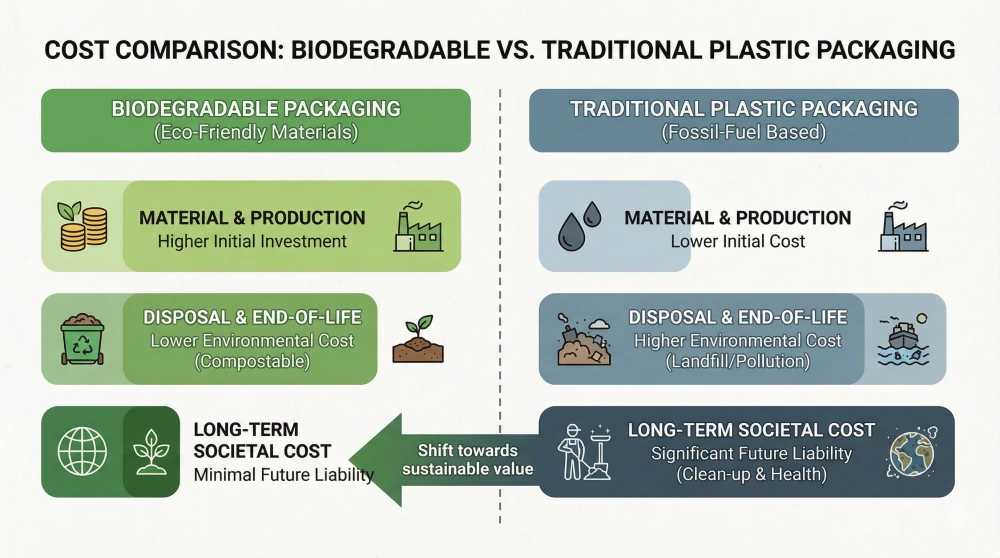
Biodegradable packaging typically costs 15-40% more than traditional plastic packaging at the point of purchase, but total cost of ownership analysis reveals a more nuanced picture when factoring in disposal fees, regulatory compliance expenses, and brand value considerations. For B2B buyers making procurement decisions, understanding both direct and indirect cost components determines whether the investment […]
What Biodegradable Containers Work Best for Meal Prep?
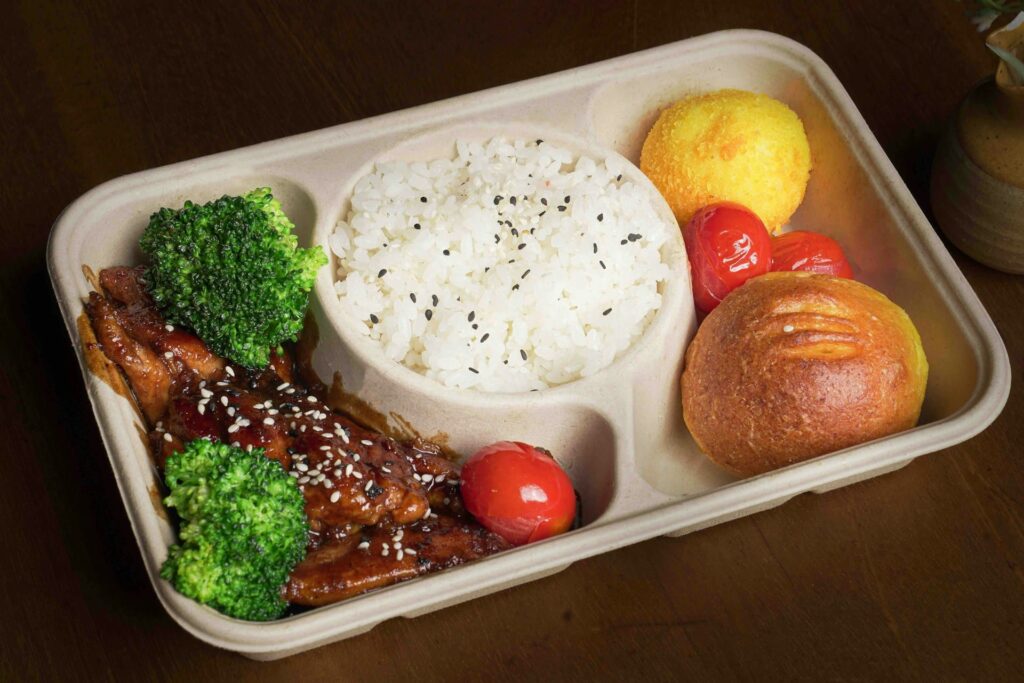
Biodegradable food containers are packaging solutions made from plant-based materials like bagasse, PLA, and paper pulp that decompose naturally after disposal, offering restaurants, meal prep companies, and food service distributors functional alternatives to conventional plastic containers for hot and cold food applications. You source thousands of containers monthly for your food service clients, and the […]
How Close Is Biodegradable Packaging to Replacing Plastic?
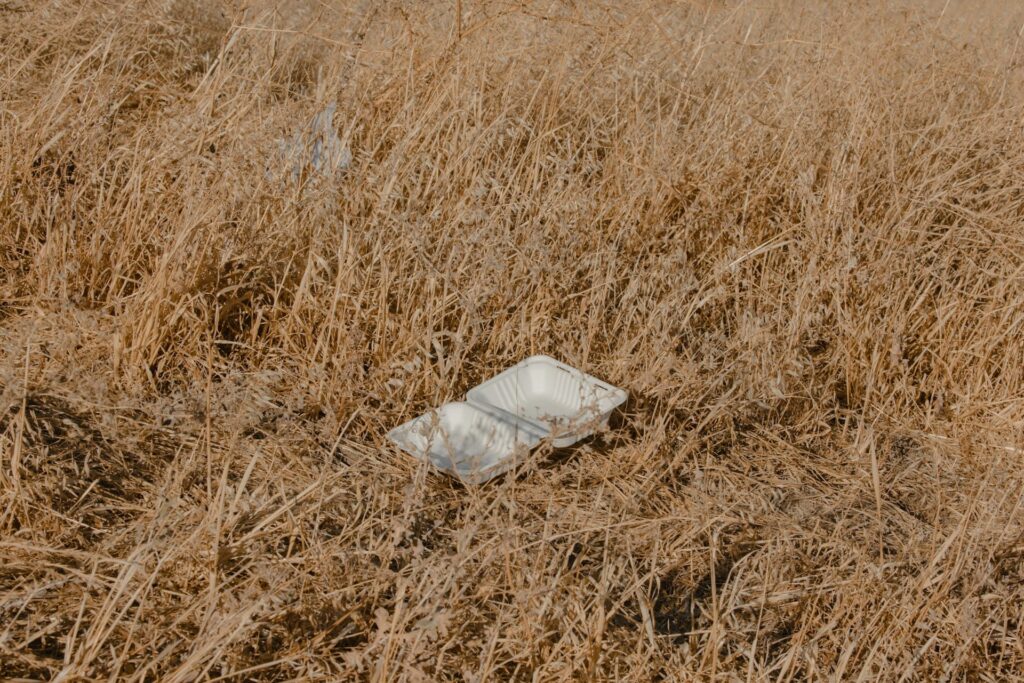
Biodegradable packaging will partially replace plastic in bulk food packaging over the next decade, capturing an estimated 20-30% market share in specific applications where food contamination makes recycling impractical, while coexisting with recyclable plastics in applications with established collection and processing infrastructure. You source thousands of food containers, trays, and wraps each quarter for distribution […]
How to Choose Biodegradable Cups and Lids for Foodservice?
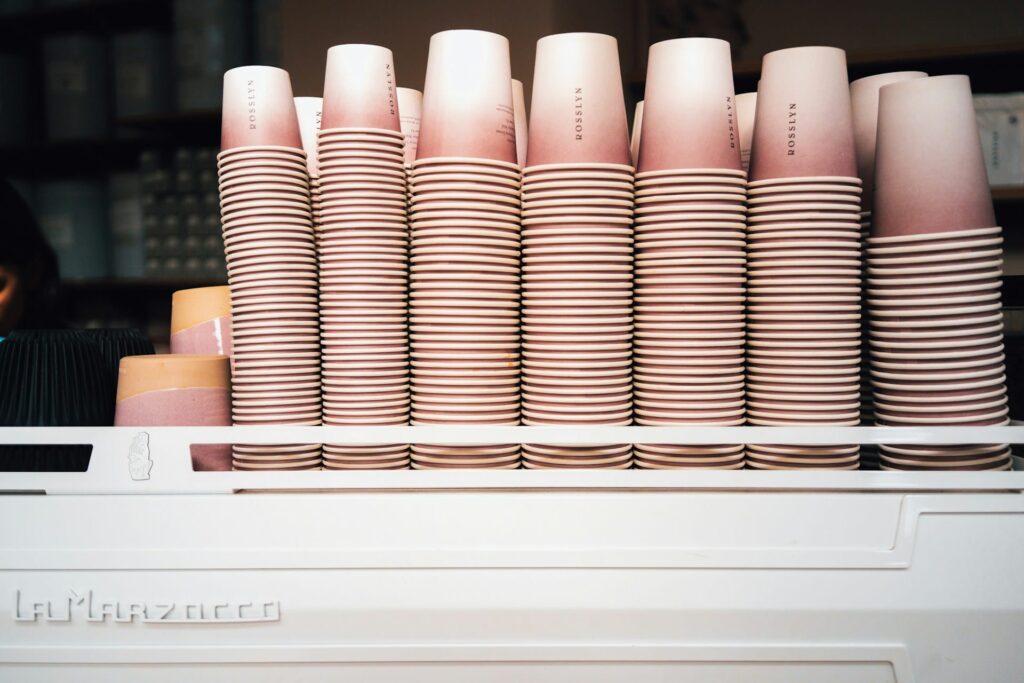
Biodegradable cups and lids are food service products manufactured from plant-based materials such as PLA, paper with bio-coatings, and bagasse, designed to decompose through natural biological processes while delivering functional performance comparable to conventional plastic alternatives. You source thousands of cups monthly for your distribution network, and your clients now demand sustainable options that actually […]
How Do PLA and Bagasse Decompose in Real Conditions?

PLA and bagasse are both genuinely biodegradable materials, though they decompose under different conditions and timelines. PLA requires industrial composting facilities with sustained high temperatures to break down effectively, while bagasse biodegrades in both industrial and home composting environments, making it more versatile for end-of-life disposal. You have likely seen competing claims from suppliers about […]
What Materials Are 100% Biodegradable for Packaging?
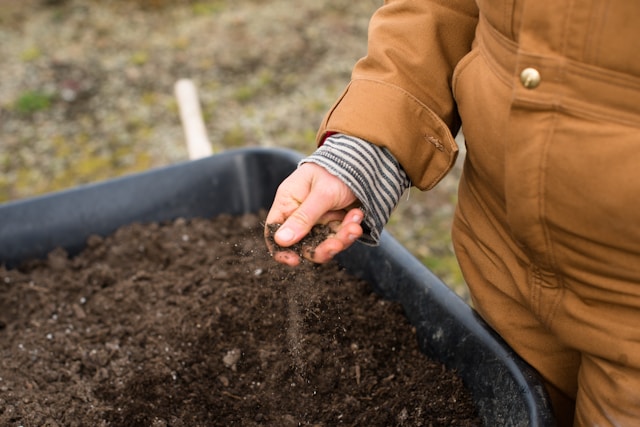
Materials that are 100% biodegradable for packaging include uncoated paper, cardboard, bagasse (sugarcane fiber), bamboo, palm leaf, wheat straw, cornstarch-based bioplastics, and wood pulp products. These materials decompose completely through natural microbial processes without leaving synthetic residues, returning to organic matter, water, and carbon dioxide within defined timeframes when disposed of in appropriate conditions. You […]
How Is Sugarcane Bagasse Used in Food Packaging?
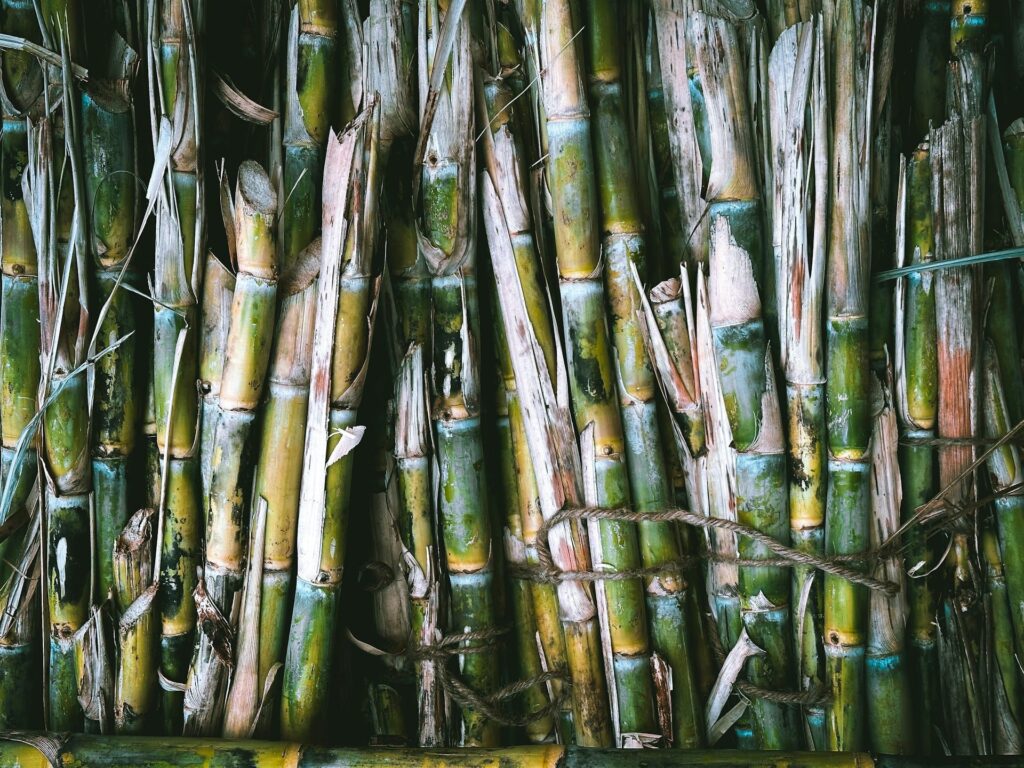
As the world seeks more sustainable alternatives to traditional materials, sugarcane bagasse emerges as a remarkable solution. This fibrous residue, left over after sugarcane stalks are crushed to extract their juice, is often considered a waste product. However, innovative processes transform bagasse into a valuable resource, particularly for eco-friendly packaging and tableware. Discover how this […]
What Makes PET Plastic Widely Used in Packaging?
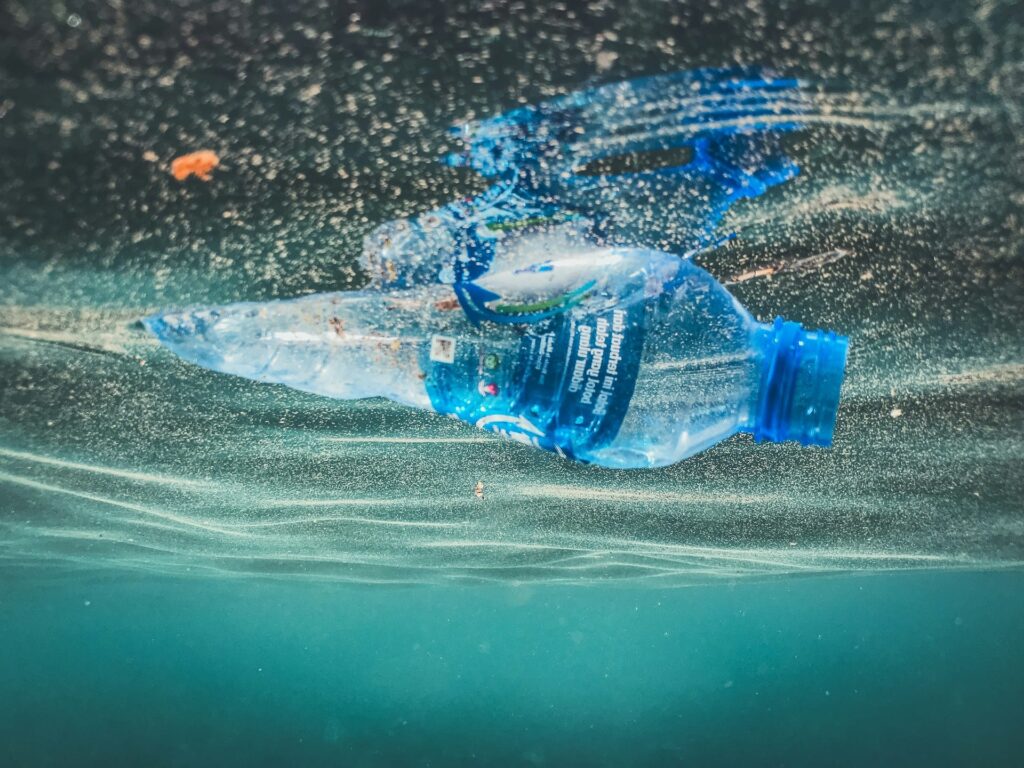
Polyethylene terephthalate, commonly known as PET, is a widely used plastic resin and a form of polyester. You encounter PET every day in various products, especially in packaging for food and beverages. Its popularity stems from its excellent combination of properties, including strength, clarity, and safety. Understanding PET plastic is key to appreciating its role […]
What Are the Pros and Cons of Using Aluminum Foil Container for Baking
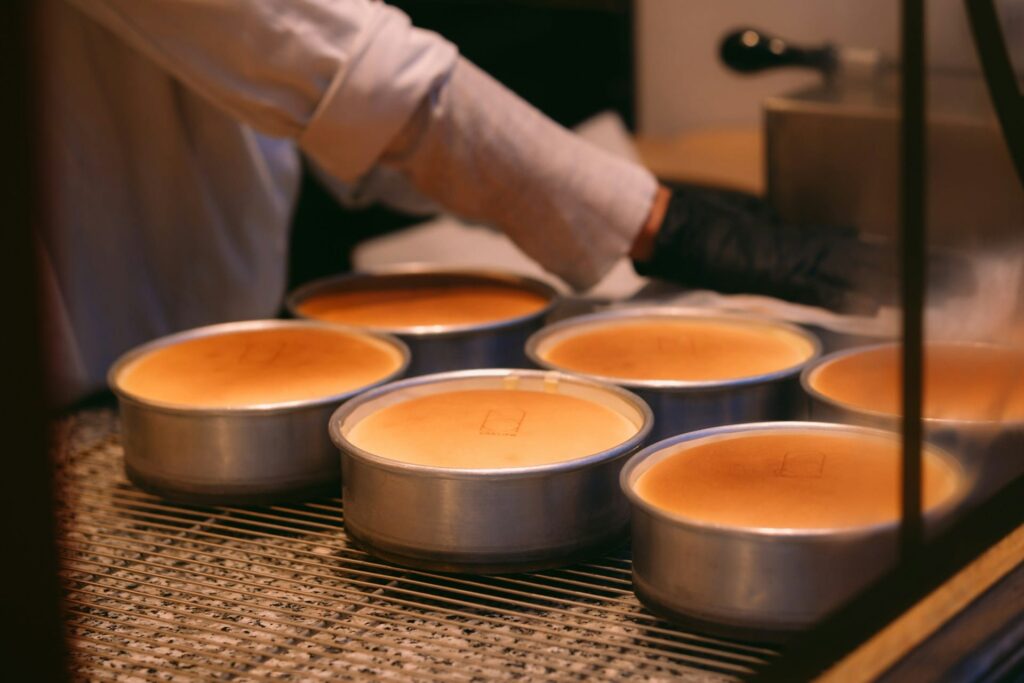
Are you, as a catering or supermarket procurement manager, considering aluminum foil containers for your baking needs? Making informed decisions about packaging and kitchenware is crucial for efficiency, cost-effectiveness, and customer satisfaction. This guide, brought to you by Reliancepak, delves into the pros and cons of using aluminum foil containers for baking, providing you with […]
How to Select Bagasse Tableware for Restaurants?
Choosing the right bagasse tableware requires matching your menu characteristics, service style, and operational volume with appropriate product specifications from a reliable supplier. The selection process involves assessing heat requirements, moisture exposure, portion sizes, and branding needs before committing to bulk orders. Restaurant owners and catering managers face a practical dilemma when transitioning to sustainable […]