In an era of increasing environmental awareness and stringent regulations, food businesses are under growing pressure to adopt sustainable practices across their operations. Packaging, a highly visible component of any food product, plays a pivotal role in this shift. For B2B buyers—including food manufacturers, foodservice brands, and catering distributors—the transition to eco-friendly alternatives is not just a trend but a strategic imperative. Among the most impactful changes is embracing compostable clamshell food containers. This blog post explores why compostable clamshells represent a smart and sustainable choice for your food business, detailing their environmental benefits, practical advantages, and how they align with consumer expectations and corporate responsibility. We will also highlight how Reliancepak supports this transition with innovative, high-quality sustainable packaging solutions.
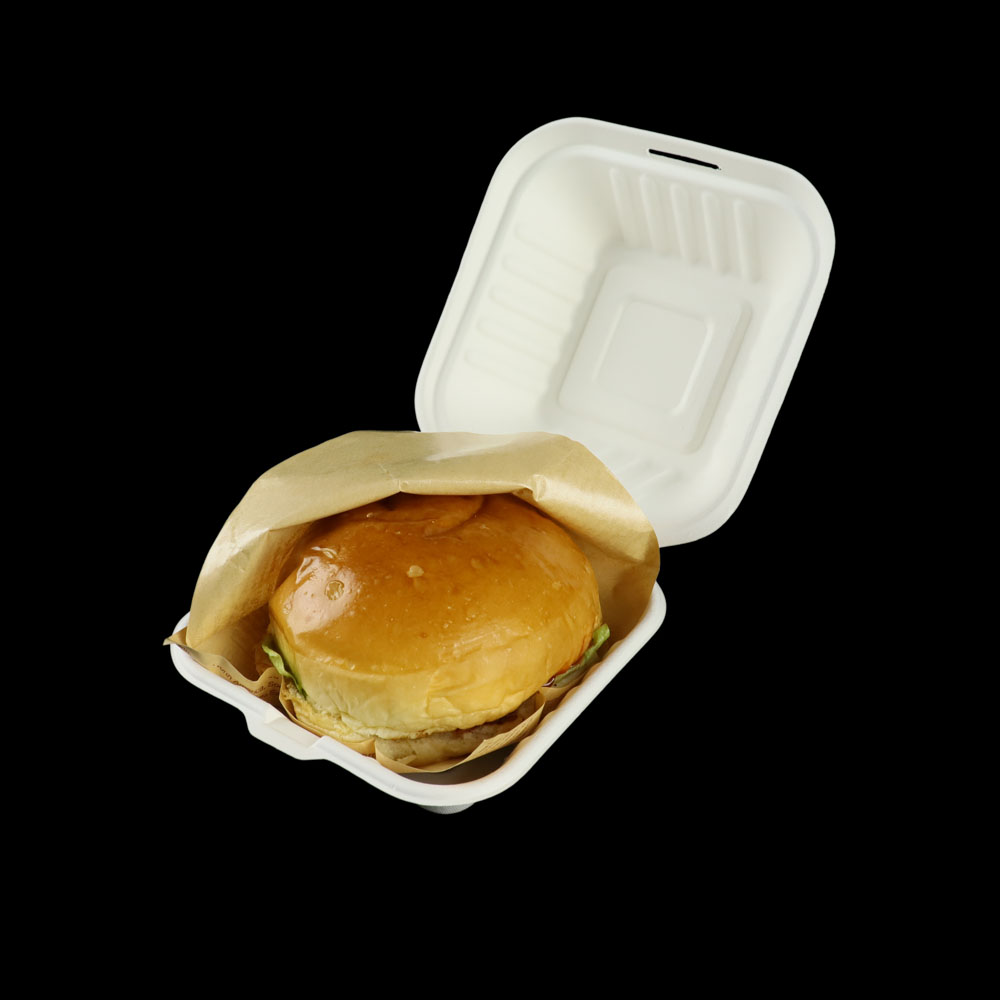
The Environmental Imperative: Why Sustainability Matters in Food Packaging
Traditional plastic packaging, while offering convenience and protection, contributes significantly to landfill waste and environmental pollution. As consumers become more conscious of their ecological footprint, they increasingly demand products packaged in environmentally responsible materials. For food businesses, this translates into a clear need to re-evaluate their packaging choices. Sustainable packaging not only reduces environmental impact but also enhances brand image, attracts eco-conscious customers, and can even lead to operational efficiencies.
The Rise of Compostable Clamshell Food Containers
Compostable clamshell food containers are designed to break down into organic matter, carbon dioxide, and water in a composting environment, leaving no toxic residues. This contrasts sharply with conventional plastics, which can persist in landfills for hundreds of years. The shift towards compostable options is driven by a growing understanding of plastic pollution and the desire for a circular economy where materials are reused or returned to nature.
Environmental Benefits:
- Reduced Landfill Waste: Compostable clamshells divert waste from landfills, reducing the burden on waste management systems and mitigating greenhouse gas emissions associated with landfill decomposition.
- Lower Carbon Footprint: Many compostable materials are derived from renewable resources, such as corn starch, sugarcane, or other plant-based fibers. This often results in a lower carbon footprint1 compared to petroleum-based plastics, from production to disposal.
- Resource Conservation: By utilizing renewable plant-based resources, compostable packaging reduces reliance on finite fossil fuels.
- Soil Enrichment: When properly composted, these containers return valuable nutrients to the soil, contributing to healthy ecosystems.
- Biodegradability: While not all biodegradable materials are compostable, certified compostable clamshells ensure that they will break down under specific conditions, preventing long-term environmental contamination.
Materials Used in Compostable Clamshells
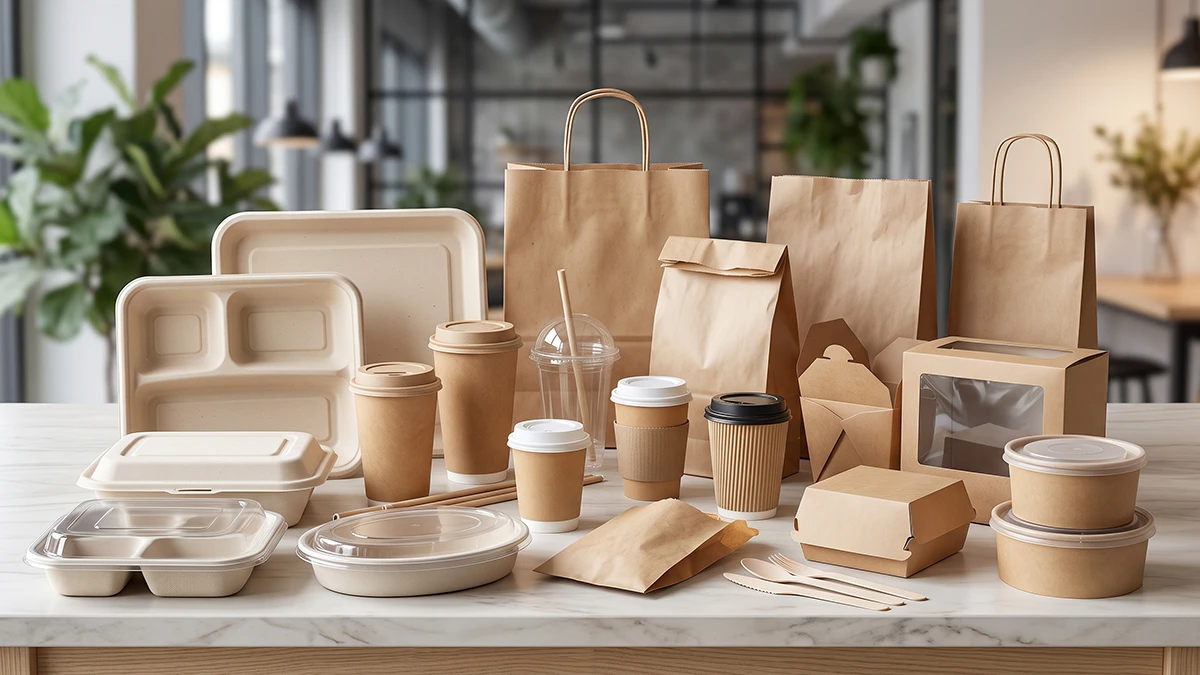
Compostable clamshell food containers are typically made from a variety of innovative, plant-based materials. Understanding these materials is key to making informed purchasing decisions:
- PLA (Polylactic Acid): Derived from renewable resources like corn starch or sugarcane, PLA is a popular bioplastic for clear clamshells. It offers good clarity and rigidity, similar to traditional plastics, but is suitable primarily for cold food applications as it can deform under high temperatures. PLA requires industrial composting facilities to break down effectively.
- Bagasse (Sugarcane Fiber): This material is a byproduct of sugarcane processing. Bagasse clamshells are sturdy, microwave-safe, and can handle both hot and cold foods. They are an excellent alternative to foam or plastic and are often certified for both industrial and sometimes even home composting.
- CPLA (Crystallized Polylactic Acid): A modified version of PLA that has been crystallized to withstand higher temperatures, making it suitable for warm food applications. Like PLA, it requires industrial composting.
- Other Plant-Based Fibers: Materials like bamboo, wheat straw, or other agricultural byproducts are increasingly being used to create molded fiber clamshells, offering robust and compostable solutions for various food types.
When selecting compostable clamshells, it is crucial to look for certifications from recognized organizations such as BPI (Biodegradable Products Institute) or ASTM International, which verify that the products meet specific standards for compostability.
Practical Advantages for Your Food Business
Beyond the significant environmental benefits, switching to compostable clamshell food containers offers tangible practical advantages for B2B food businesses:
1. Enhanced Brand Image and Consumer Appeal
Consumers, particularly younger generations, are increasingly prioritizing sustainability in their purchasing decisions. By using compostable packaging, your brand demonstrates a genuine commitment to environmental responsibility. This resonates positively with eco-conscious consumers, enhancing your brand image, fostering loyalty, and potentially attracting new customers who align with your values. It positions your business as forward-thinking and responsible, a significant competitive differentiator.
2. Compliance with Evolving Regulations
Governments and municipalities worldwide are implementing stricter regulations on single-use plastics. Many regions are banning or taxing conventional plastic food packaging, making compostable alternatives not just a preference but a necessity for compliance. Proactively adopting compostable clamshells ensures your business stays ahead of regulatory changes, avoiding potential fines and disruptions to your operations.
3. Meeting Corporate Social Responsibility (CSR) Goals
For larger food manufacturers and foodservice chains, integrating sustainable packaging is a key component of their Corporate Social Responsibility (CSR) initiatives. Compostable clamshells help businesses meet their environmental targets, contribute to a greener supply chain, and report tangible progress in their sustainability reports. This can improve stakeholder relations and attract socially responsible investors.
4. Versatility and Performance
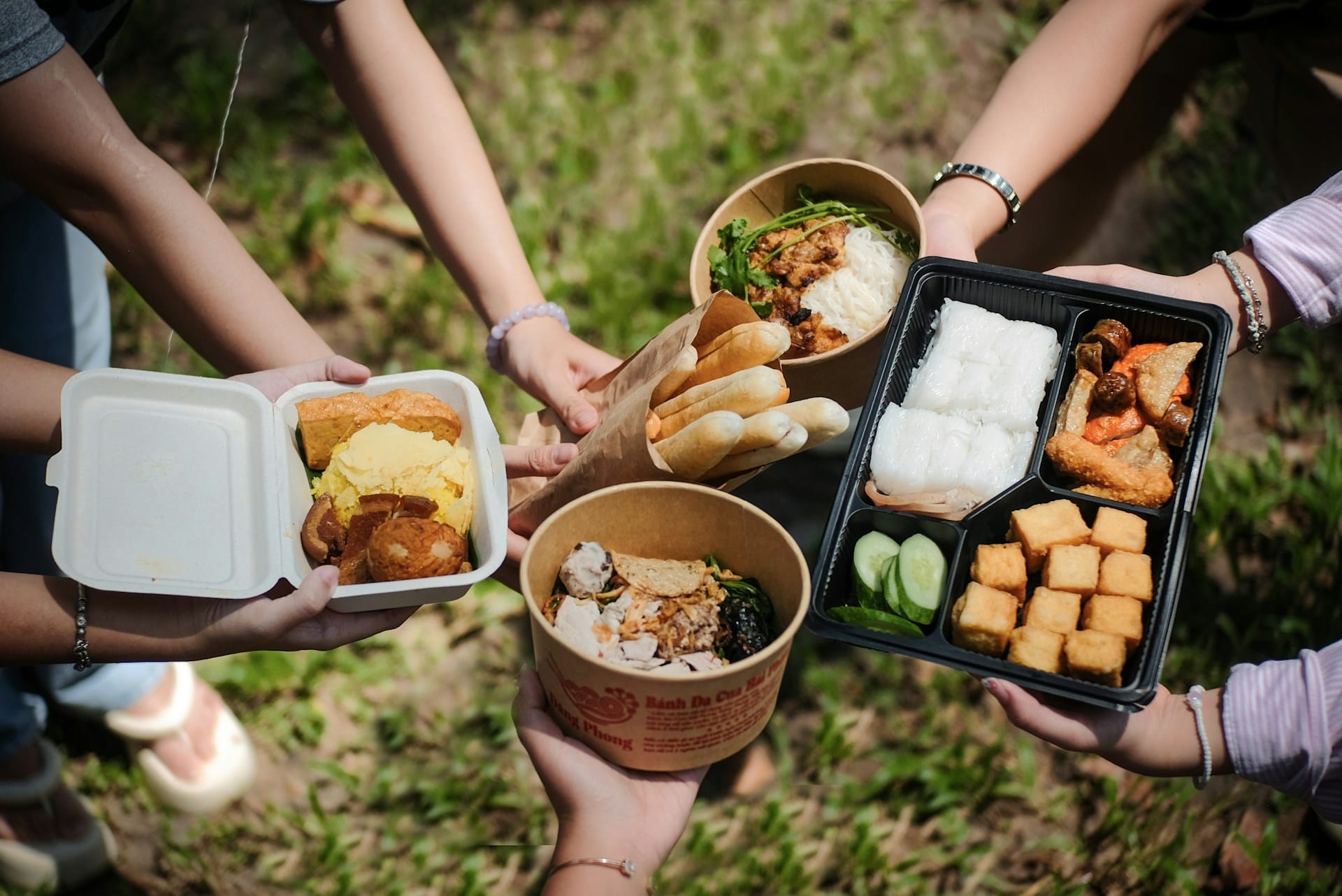
Modern compostable clamshells have evolved significantly in terms of performance. They offer comparable durability, clarity (for PLA options), and protective qualities to traditional plastic containers. Whether you’re packaging fresh produce, deli items, baked goods, or prepared meals, there’s a compostable clamshell solution that can meet your specific needs, ensuring product integrity from your facility to the consumer.
5. Potential for Cost Savings (Long-Term)
While the initial unit cost of compostable packaging might sometimes be slightly higher than conventional plastics, the long-term benefits can outweigh this. Reduced waste disposal costs (especially in areas with high landfill fees), enhanced brand value, and avoidance of regulatory penalties can lead to overall cost savings. Furthermore, as demand for sustainable materials grows, economies of scale are likely to drive down production costs.
Reliancepak’s Commitment to Sustainable Packaging Innovation
At Reliancepak, we understand the growing demand for sustainable packaging solutions and are committed to supporting food businesses in their transition to more environmentally friendly options. Our expertise in manufacturing and sourcing allows us to provide high-quality, compostable clamshell food containers that meet both your operational needs and your sustainability goals.
How Reliancepak Supports Your Sustainable Choice:
- Environmentally Friendly Materials: We offer a range of compostable clamshells made from materials like bagasse and PLA, ensuring that your packaging choices align with your commitment to the environment. Our materials are carefully selected for their renewability and ability to break down responsibly.
- High Production Precision: Our advanced manufacturing processes ensure that even with sustainable materials, our clamshells maintain high precision and consistent quality. This means reliable closures, durable construction, and excellent product presentation, all while being eco-friendly.
- Product Quality and Certifications: We adhere to stringent quality control standards, ensuring that our compostable clamshells meet food-grade safety requirements and relevant compostability certifications. You can trust that our products are safe for food contact and will perform as expected.
- Professional Customization: We offer professional customization services for compostable clamshells, allowing you to incorporate your brand’s unique design elements while maintaining your sustainable focus. This helps reinforce your brand’s eco-conscious image.
- Fast Delivery and Low Cost: Our efficient supply chain and competitive pricing models ensure that making a sustainable choice doesn’t have to mean compromising on speed or affordability. We strive to provide fast delivery and cost-effective solutions for your bulk compostable packaging needs.
Reliancepak’s Core Values in Action:
Our commitment to sustainable packaging innovation is deeply embedded in Reliancepak’s core values:
- Customer Success: We partner with you to navigate the complexities of sustainable packaging, providing solutions that not only meet your needs but also enhance your brand’s appeal and market position.
- Product Quality: We never compromise on quality, ensuring that our sustainable packaging solutions are as robust and reliable as their conventional counterparts.
- Sustainable Packaging Innovation: We continuously invest in research and development to bring cutting-edge, eco-friendly packaging solutions to the market, helping our clients stay ahead of environmental trends.
- Long-Term Partnership Mindset: We aim to be your long-term partner in sustainability, providing consistent support and evolving our offerings to meet future environmental challenges and opportunities.
Conclusion
Switching to compostable clamshell food containers is a powerful statement of your food business’s commitment to sustainability. It offers a multitude of benefits, from reducing environmental impact and meeting regulatory demands to enhancing brand image and attracting eco-conscious consumers. As the food industry moves towards a greener future, embracing these innovative packaging solutions is not just an option but a strategic necessity. Reliancepak is proud to be at the forefront of this movement, providing high-quality, precisely manufactured compostable clamshells made from premium, environmentally friendly materials. Our dedication to fast delivery, low cost, customer success, and sustainable innovation makes us the ideal partner for food manufacturers, foodservice brands, and catering distributors looking to make a positive environmental impact while maintaining product integrity and operational efficiency. Make the sustainable choice with Reliancepak and contribute to a healthier planet.
Frequently Asked Questions (FAQ)
Q1: What makes a clamshell food container compostable?
A1: Compostable clamshell food containers are made from plant-based materials like PLA (Polylactic Acid) or Bagasse (sugarcane fiber) that are designed to break down into organic matter, carbon dioxide, and water in a composting environment, leaving no toxic residues.
Q2: What are the main environmental benefits of using compostable clamshells?
A2: The main environmental benefits include reduced landfill waste, a lower carbon footprint (as they are often derived from renewable resources), conservation of finite resources, and soil enrichment when properly composted.
Q3: Do compostable clamshells perform as well as traditional plastic ones?
A3: Modern compostable clamshells have significantly improved in performance, offering comparable durability, clarity (for PLA options), and protective qualities to traditional plastic containers. They are designed to meet the needs of various food products.
Q4: Are compostable clamshells suitable for both hot and cold foods?
A4: It depends on the material. PLA-based compostable clamshells are generally suitable for cold foods, while Bagasse (sugarcane fiber) clamshells are sturdy, microwave-safe, and can handle both hot and cold foods.
Q5: How does Reliancepak support businesses in switching to compostable packaging?
A5: Reliancepak offers a range of high-quality compostable clamshells made from environmentally friendly materials like bagasse and PLA. We ensure high production precision, product quality with certifications, professional customization, fast delivery, and competitive pricing to support your sustainable choices.
- Learn how compostable materials can significantly reduce carbon emissions compared to traditional plastics. ↩︎