Selecting the right material for produce packaging supplies is a critical decision that directly impacts product quality, shelf life, cost-effectiveness, and brand reputation. With a wide array of materials available, each with its own unique properties and performance characteristics, making an informed choice requires a comprehensive understanding of product needs, supply chain dynamics, and market expectations. This guide provides a detailed overview of key considerations and material options to help produce packaging buyers make strategic decisions that optimize both performance and sustainability.
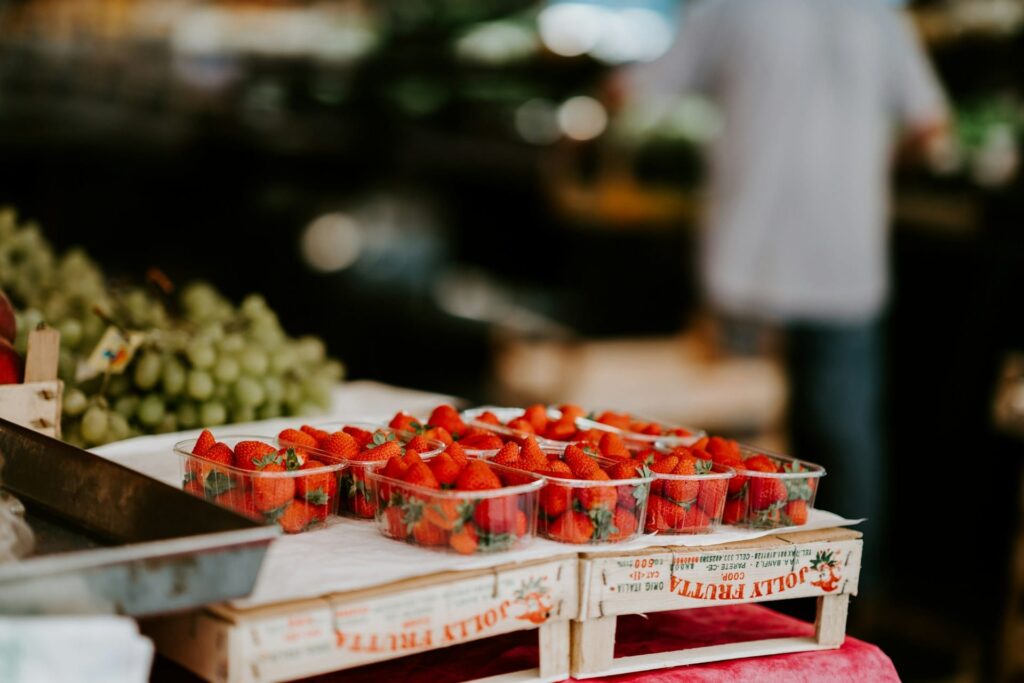
Understanding the Role of Produce Packaging Materials
Produce packaging materials serve multiple essential functions beyond simple containment. They protect fresh fruits and vegetables from physical damage, contamination, and spoilage throughout the supply chain, from farm to consumer. The right material can significantly extend shelf life, reduce waste, and enhance the visual appeal of products, ultimately influencing consumer purchasing decisions and brand perception.
Effective packaging materials create a controlled microenvironment that regulates moisture, oxygen, and carbon dioxide levels, preserving freshness and quality. They also provide a barrier against external factors such as light, temperature fluctuations, and pests, which can accelerate spoilage and reduce product value. In addition to these protective functions, packaging materials play a crucial role in branding and communication, conveying important information about the product, its origin, and its nutritional value.
Key Factors Influencing Material Selection
A systematic approach to material selection involves evaluating a range of factors that influence packaging performance and suitability. By carefully considering these factors, buyers can identify materials that meet their specific needs while balancing competing priorities such as cost, sustainability, and regulatory compliance.
1. Product Characteristics
The physical and biological characteristics of the produce itself are the most important consideration in material selection. Different fruits and vegetables have unique requirements for protection, respiration, and moisture control. For example, delicate items like berries and leafy greens require packaging that provides gentle cushioning and prevents bruising, while root vegetables may need more robust packaging that can withstand rough handling.
Respiration rate is another critical factor. High-respiring produce, such as broccoli and asparagus, requires packaging that allows for adequate gas exchange to prevent the buildup of ethylene and carbon dioxide, which can accelerate spoilage. In contrast, low-respiring produce, like apples and potatoes, may benefit from packaging that restricts gas exchange to slow down the ripening process.
2. Shelf Life and Preservation Needs
Extending the shelf life of fresh produce is a primary goal of packaging, and material selection plays a key role in achieving this objective. The right material can help maintain optimal temperature and humidity levels, slow down the aging process, and inhibit the growth of microorganisms that cause spoilage.
Modified Atmosphere Packaging (MAP) is a common technique used to extend shelf life, and it relies on specialized packaging materials with specific gas permeability properties. These materials allow for the creation of a controlled atmosphere inside the package, with optimized levels of oxygen, carbon dioxide, and nitrogen that slow down respiration and preserve freshness.
3. Transportation and Logistics
The rigors of transportation and handling place significant demands on produce packaging. Materials must be strong enough to withstand stacking, vibration, and impact during transit, while also being lightweight and space-efficient to minimize shipping costs. The choice of material should also consider the specific transportation methods used, whether it be by truck, rail, sea, or air, as each has its own unique challenges.
4. Regulatory Compliance and Food Safety
All packaging materials that come into direct contact with food must comply with strict food safety regulations to prevent contamination and ensure consumer safety. In the United States, the Food and Drug Administration (FDA) sets standards for food-contact materials, while the European Union has its own set of regulations. Buyers must ensure that their chosen materials meet all applicable regulatory requirements in their target markets.
5. Sustainability Goals and Consumer Preferences
As discussed in the previous blog, sustainability has become a major consideration in packaging material selection. Consumers are increasingly demanding environmentally friendly packaging, and businesses are responding by setting ambitious sustainability goals. The choice of material should align with these goals, whether it be through the use of recycled content, biodegradable materials, or reusable packaging systems.
6. Cost-Effectiveness and Budget
While performance and sustainability are critical, cost is always a key factor in material selection. The ideal material is one that meets all performance requirements at a competitive price. Buyers should consider the total cost of ownership, which includes not only the initial purchase price of the material but also factors such as transportation costs, storage costs, and end-of-life disposal costs.
Common Materials for Produce Packaging Supplies
A wide variety of materials are used for produce packaging, each with its own advantages and disadvantages. The following table provides an overview of some of the most common materials and their key characteristics:
| Material | Advantages | Disadvantages | Common Applications |
|---|---|---|---|
| Plastics (PET, PP, HDPE, PVC) | Versatile, lightweight, durable, excellent barrier properties | Can be difficult to recycle, derived from fossil fuels | Clamshells, bags, films, trays |
| Paper and Paperboard | Recyclable, biodegradable, printable | Can be less durable than plastic, may not provide a sufficient moisture barrier | Boxes, cartons, bags, liners |
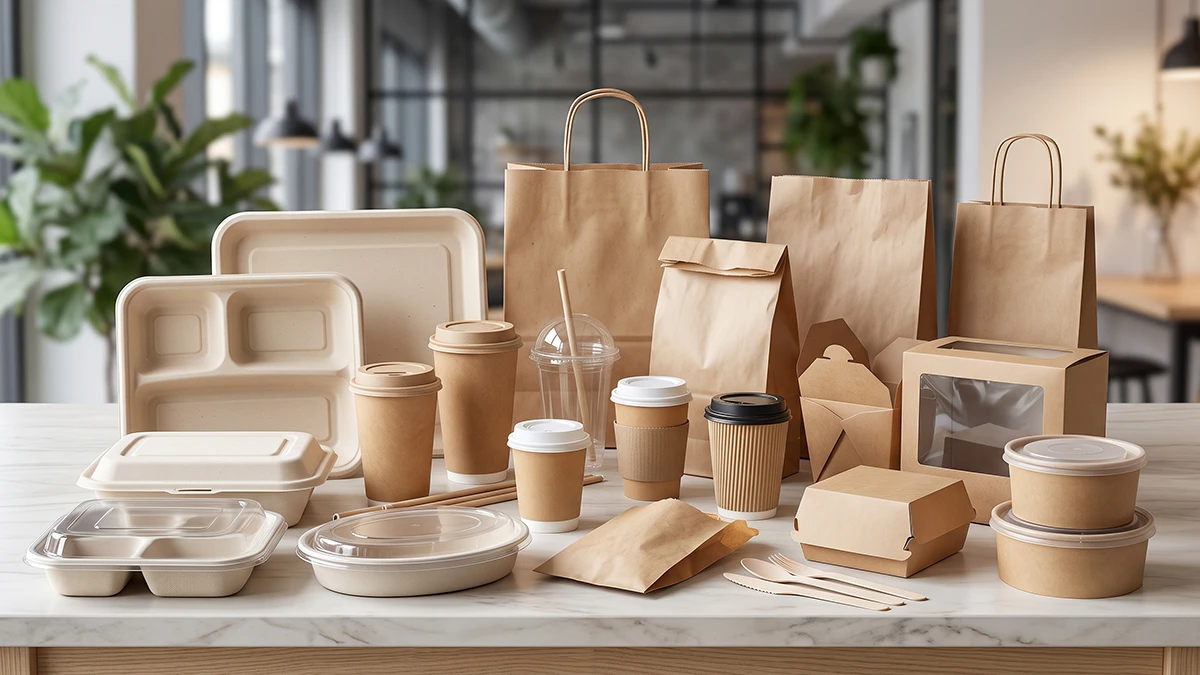
| Bioplastics and Compostable Materials | Made from renewable resources, biodegradable, compostable | Can be more expensive than traditional plastics, may have limited performance characteristics | Bags, films, trays, containers |
| Mesh and Netting | Excellent ventilation, allows for product visibility | Provides limited protection from physical damage | Bags for onions, potatoes, citrus fruits |
| Other Innovative Materials | Can offer unique performance or sustainability benefits | May be more expensive or have limited availability | Edible coatings, mushroom-based packaging |
Making the Right Choice: A Step-by-Step Approach
Choosing the right material for produce packaging supplies can be a complex process, but following a structured approach can help ensure a successful outcome. Here is a step-by-step guide to help you make the right choice:
- Define Your Requirements: Start by clearly defining your packaging requirements, including product characteristics, shelf life goals, transportation needs, regulatory requirements, sustainability goals, and budget constraints.
- Research Material Options: Once you have a clear understanding of your requirements, research the various material options available. Consider the advantages and disadvantages of each material in relation to your specific needs.
- Request Samples and Conduct Testing: Request samples of promising materials from potential suppliers and conduct thorough testing to evaluate their performance. This may include shelf life studies, transportation tests, and consumer preference surveys.
- Evaluate Suppliers: In addition to evaluating materials, it is also important to evaluate potential suppliers. Look for suppliers with a proven track record of quality, reliability, and customer service. Consider their technical expertise, manufacturing capabilities, and commitment to sustainability.
- Make Your Selection and Implement: Based on your research and testing, select the material and supplier that best meet your needs. Work closely with your chosen supplier to implement the new packaging solution, ensuring a smooth transition and successful launch.
Partnering with Reliancepak for Material Expertise
Reliancepak offers a comprehensive range of produce packaging supplies and material expertise to help you make the right choice for your business. With a deep understanding of the produce industry and a commitment to innovation and sustainability, Reliancepak can provide you with tailored solutions that meet your specific needs and exceed your expectations.
Our team of packaging experts will work closely with you to understand your unique challenges and recommend the most appropriate materials for your products. We offer a wide variety of materials, including traditional plastics, paper and paperboard, and innovative bioplastics, to ensure that we can provide you with the perfect solution for your needs. We also offer free samples and testing services to help you evaluate our materials and make an informed decision.
Conclusion
Choosing the right material for your produce packaging supplies is a critical decision that can have a significant impact on your business. By carefully considering all of the relevant factors and working with a trusted partner like Reliancepak, you can select a material that will protect your products, enhance your brand, and help you achieve your business goals.
FAQ
What is the most sustainable packaging material for produce?
There is no single, most sustainable packaging material for produce, as the best choice depends on various factors like product type, supply chain, and local infrastructure. However, materials like recycled content plastics, compostable bioplastics, and sustainably sourced paperboard are generally considered highly sustainable options.
How does packaging material affect the shelf life of produce?
Packaging material significantly impacts shelf life by controlling factors like moisture, oxygen, and carbon dioxide levels. Materials with specific barrier properties can create a modified atmosphere inside the package, slowing down respiration and spoilage, thus extending freshness.
Are there any regulations I need to be aware of when choosing packaging materials?
Yes, all food-contact packaging materials must comply with strict food safety regulations set by authorities like the FDA in the US or the EU. It’s crucial to ensure your chosen materials meet all applicable regulatory requirements in your target markets.
Can Reliancepak help me with material selection for my specific produce?
Absolutely. Reliancepak has a team of packaging experts who can work with you to understand your product’s unique characteristics and recommend the most suitable materials. We offer a wide range of options and can provide free samples for testing.
What are the benefits of using bioplastics for produce packaging?
Bioplastics are made from renewable resources and are often compostable or biodegradable, reducing environmental impact. They offer a sustainable alternative to traditional plastics, aligning with growing consumer demand for eco-friendly packaging.
How can I balance cost and sustainability in my packaging choices?
Balancing cost and sustainability involves considering the total cost of ownership, including material costs, transportation, and disposal. Often, sustainable options can lead to long-term savings through reduced waste and improved brand perception. Reliancepak can help you find cost-effective sustainable solutions.