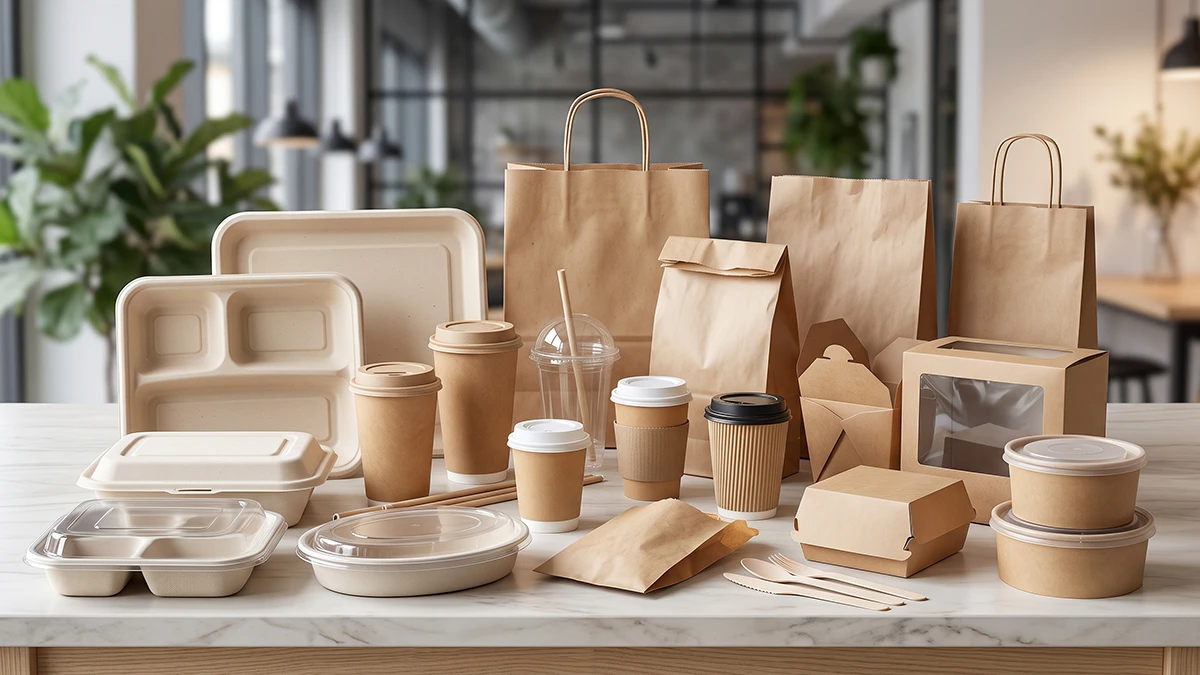

The Future of Packaging: Naturally Degradable Compostable Paper Bags
As the global focus on environmental sustainability intensifies, businesses are increasingly seeking packaging solutions that not only serve their purpose but also minimize their ecological footprint. Compostable paper bags represent a significant leap forward in this endeavor, offering a truly circular solution that returns to nature without leaving harmful residues. For B2B buyers, investing in compostable packaging is a strategic move that aligns with consumer values and future-proofs their operations.
Reliancepak, a leading paper bag supplier, is at the forefront of providing innovative compostable paper bags. We offer a range of materials that naturally break down, helping businesses achieve their sustainability goals and contribute to a healthier planet.
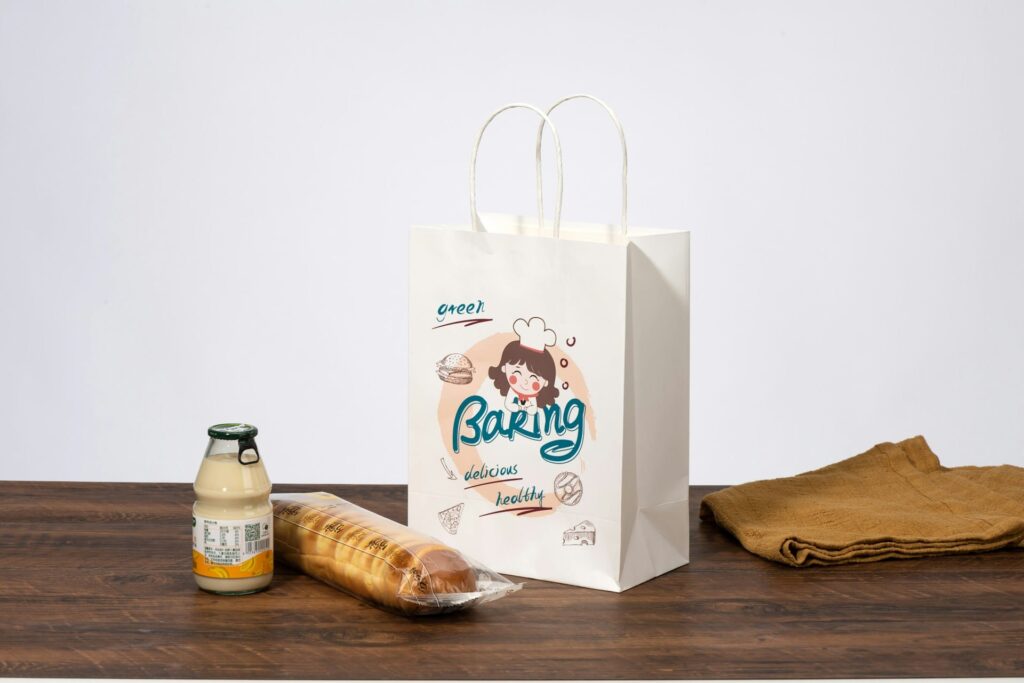
Understanding Compostable Materials: A Natural Cycle
Compostable materials are designed to decompose into natural elements—such as water, carbon dioxide, and biomass—under specific composting conditions, leaving no toxic residues. This process enriches the soil, completing a natural cycle.
What Makes a Material Compostable?
For a material to be certified compostable, it must meet rigorous standards, typically involving:
- Biodegradation: The material must break down into natural substances within a specific timeframe.
- Disintegration: The material must physically break apart into small pieces during composting.
- Ecotoxicity: The resulting compost must not harm plant growth or contain heavy metals.
Common Compostable Paper Bag Materials
Compostable paper bags are primarily made from renewable resources, often featuring specialized linings or coatings to enhance functionality while maintaining compostability. These can include:
- Kraft Paper: Naturally biodegradable and often sourced from sustainably managed forests.
- PLA (Polylactic Acid) Linings: A bioplastic derived from renewable resources like corn starch, used to provide grease or moisture resistance while remaining compostable.
- Water-Based Coatings: Eco-friendly coatings that offer barrier properties without compromising compostability.
Benefits of Choosing Compostable Paper Bags
Adopting compostable paper bags offers a multitude of advantages for businesses and the environment:
Environmental Stewardship
Compostable bags reduce landfill waste and plastic pollution, contributing to a cleaner environment. They support a circular economy by returning valuable nutrients to the soil.
Enhanced Brand Reputation
Showcasing a commitment to compostable packaging demonstrates strong environmental responsibility, appealing to eco-conscious consumers and strengthening your brand’s image as a sustainable leader.
Compliance with Regulations
As regulations around single-use plastics and non-biodegradable packaging become stricter, utilizing compostable solutions helps businesses stay ahead of compliance requirements and avoid potential penalties.
Versatility and Performance
Modern compostable paper bags are designed for durability and functionality, suitable for a wide range of applications, including retail, food service, and e-commerce. They can be customized with branding and graphics, just like traditional paper bags.
Reliancepak: Your Trusted Compostable Paper Bag Supplier
Reliancepak is dedicated to helping businesses transition to more sustainable packaging. As an experienced paper bag supplier, we offer:
- Certified Compostable Solutions: Our products meet international composting standards, ensuring genuine environmental benefits.
- Customization Expertise: We provide professional customization services, allowing you to design compostable bags that perfectly match your brand aesthetics and functional needs.
- Food Grade Compliance: Many of our compostable paper bags are certified food-grade (EU, FDA), making them safe and suitable for direct food contact.
- Wholesale Efficiency: We specialize in B2B wholesale, offering competitive pricing and fast delivery for bulk orders.
- Commitment to Innovation: We continuously research and develop new eco-friendly materials and solutions to stay at the forefront of sustainable packaging.
Partner with Reliancepak to embrace the future of packaging with compostable paper bags. Let us help you make a positive impact on the planet while delivering high-quality, responsible packaging to your customers.
FAQ
Q1: What is the difference between biodegradable and compostable?
A1: All compostable materials are biodegradable, but not all biodegradable materials are compostable. Compostable materials break down into natural elements in a specific composting environment within a defined timeframe, leaving no toxic residues. Biodegradable materials simply break down over time, but the timeframe and residual products are not always specified or guaranteed to be non-toxic.
Q2: How should compostable paper bags be disposed of?
A2: Compostable paper bags should be disposed of in industrial composting facilities where they can break down effectively. Check with your local waste management services for available composting programs. Avoid placing them in regular recycling bins, as they can contaminate paper recycling streams.
Q3: Are compostable paper bags suitable for all types of products?
A3: Compostable paper bags are versatile and suitable for many products, especially dry goods, retail items, and certain food products. For items requiring high moisture or grease barriers, specialized compostable linings are used. Always consult with your supplier for specific product compatibility.
Q4: What certifications should I look for in compostable paper bags?
A4: Look for certifications from recognized organizations such as BPI (Biodegradable Products Institute) in North America, TÜV AUSTRIA (OK Compost Industrial/Home) in Europe, or similar national standards. These certifications ensure that the products meet strict compostability criteria.
Q5: Can Reliancepak provide custom sizes and designs for compostable paper bags?
A5: Yes, Reliancepak offers professional customization services for compostable paper bags, including various sizes, designs, printing options, and handle styles, to meet your specific branding and functional requirements.