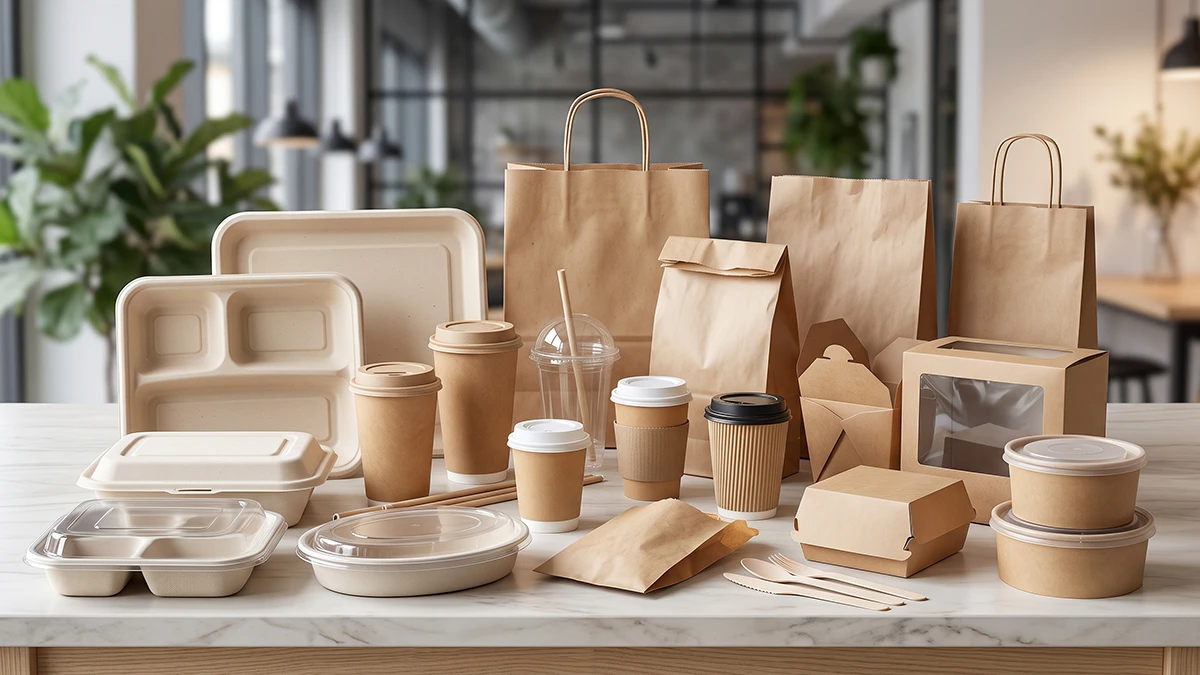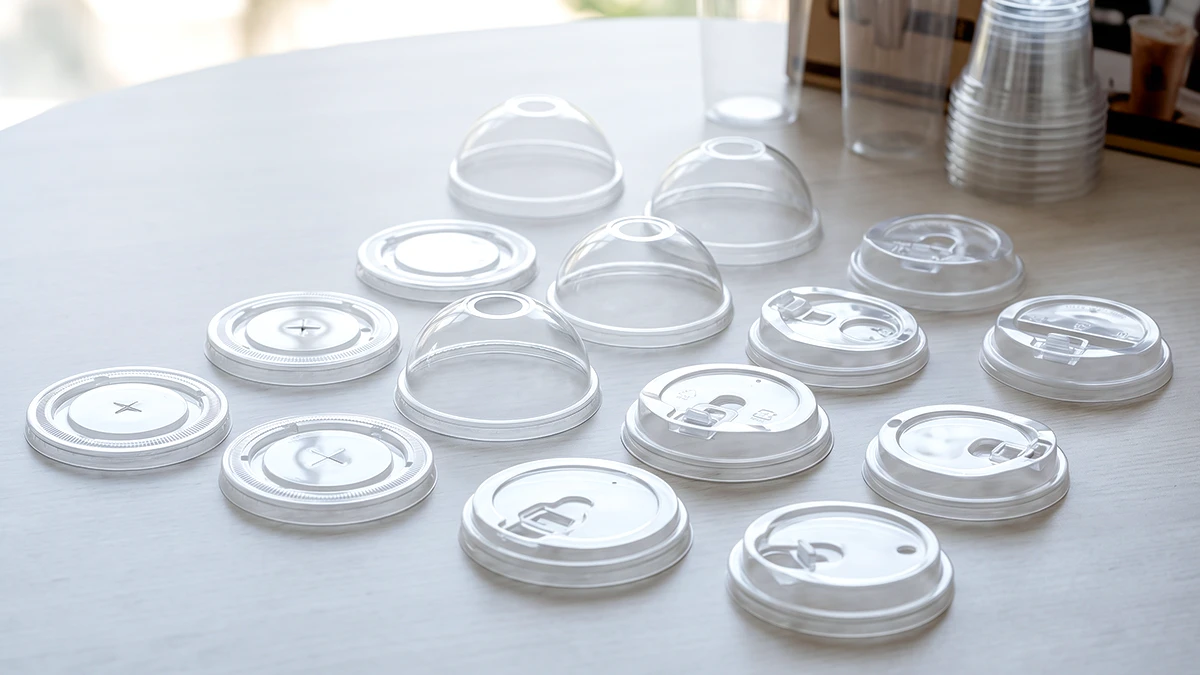
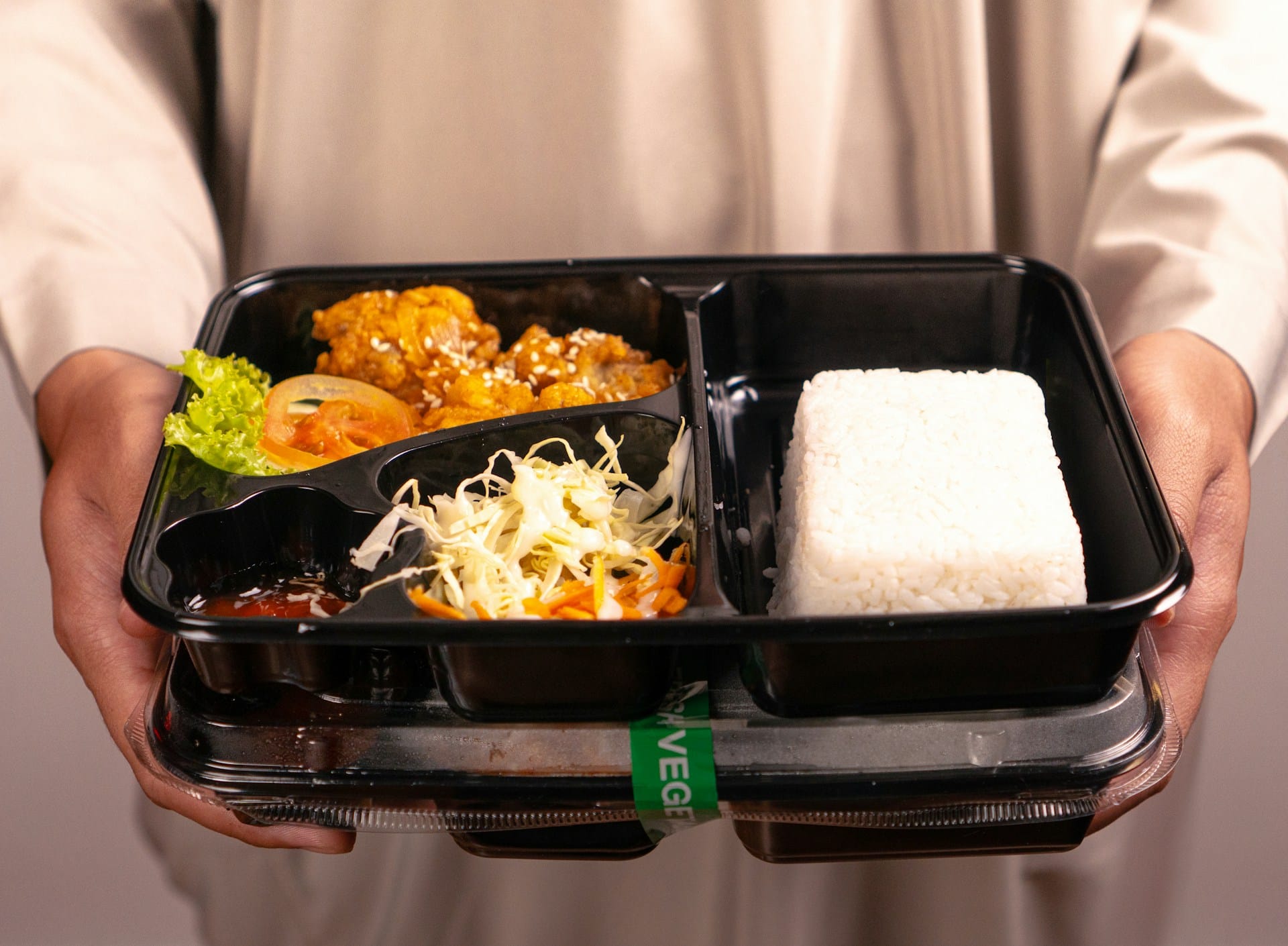
In the competitive world of packaging, optimizing your investment is crucial for long-term success. When considering new packaging solutions, the speed and efficiency of prototyping can significantly impact your return on investment (ROI). This blog post delves into the financial advantages of thermoforming packaging, specifically highlighting how its faster prototyping capabilities offer a superior ROI compared to more traditional manufacturing methods. Understand how quick iterations and reduced time-to-market can translate into substantial savings and increased profitability for your business.
Understanding ROI in Packaging
Return on Investment (ROI) is a key metric for evaluating the efficiency of an investment. In packaging, ROI goes beyond just the direct cost of materials and manufacturing. It encompasses factors like time-to-market, design flexibility, waste reduction, and consumer appeal. A holistic view of ROI helps businesses make strategic decisions.
Beyond Direct Costs
Many businesses focus solely on the per-unit cost of packaging. However, this narrow view overlooks significant hidden costs and potential savings. Factors like mold development, lead times, design iterations, and supply chain disruptions all impact the true cost. A comprehensive ROI analysis considers these broader elements.
The Value of Speed and Flexibility
In today’s fast-paced market, speed and flexibility are invaluable. Rapid prototyping and quick adjustments to design can mean the difference between market leadership and falling behind. Packaging solutions that enable faster iterations often yield a higher overall ROI. They allow businesses to respond quickly to market changes.
Faster Prototyping in Thermoforming
Thermoforming stands out for its rapid prototyping capabilities, a significant advantage over traditional manufacturing methods. This speed allows businesses to quickly test designs, gather feedback, and make necessary adjustments. The efficiency of this process directly translates into a better ROI.
Reduced Tooling Lead Times
Thermoforming molds are typically less complex and faster to produce than injection molds. This significantly shortens the lead time for creating prototypes. Businesses can move from concept to physical sample in a fraction of the time. This agility is crucial for meeting tight deadlines and responding to market demands.
Lower Prototyping Costs
The simpler tooling and faster production cycles of thermoforming result in lower prototyping costs. This makes it more feasible for companies to create multiple iterations of a design. Experimentation and refinement become more accessible. This cost-effectiveness encourages innovation and reduces financial risk.
Quick Design Iterations
With faster and cheaper prototypes, businesses can conduct numerous design iterations. This iterative process allows for continuous improvement and optimization of the packaging. Flaws can be identified and corrected early in the development cycle. This minimizes costly errors down the line and ensures a superior final product.
Comparing Prototyping Speeds: Thermoforming vs. Traditional Methods
To fully appreciate the ROI benefits of thermoforming, it’s essential to compare its prototyping speed with traditional methods like injection molding. The differences in lead times and flexibility can have a profound impact on project timelines and overall costs.
Injection Molding Prototyping
Injection molding requires highly precise and durable molds, which are expensive and time-consuming to produce. Creating a prototype mold can take weeks or even months. Any design changes necessitate modifications to these complex molds, leading to further delays and costs. This process is less forgiving for early-stage design exploration.
CNC Machining and 3D Printing for Prototypes
While CNC machining and 3D printing can produce prototypes for injection molding, they often use different materials or processes. This means the prototype may not perfectly replicate the final product’s properties. These methods are useful for initial concept validation but may not fully capture the nuances of the mass-produced part.
Thermoforming’s Time-to-Market Advantage
Thermoforming’s ability to quickly produce functional prototypes allows businesses to accelerate their time-to-market. This means products can hit shelves sooner, generating revenue faster. In competitive industries, being first to market can provide a significant competitive edge and capture market share. Reliancepak’s efficient prototyping process helps clients achieve this advantage.
| Prototyping Method | Typical Lead Time | Tooling Cost | Design Flexibility | Material Fidelity |
|---|---|---|---|---|
| Thermoforming | Days to 1-2 weeks | Low | High (for form) | High (uses actual production material) |
| Injection Molding (Production Tool) | Weeks to Months | Very High | Low (once tool is made) | High |
| CNC Machining | Days to Weeks | Medium | High | Medium (material may differ) |
| 3D Printing | Hours to Days | Low (per part) | Very High | Low (material properties often differ) |
Maximizing ROI with Thermoforming: Key Strategies
To fully leverage the ROI potential of thermoforming packaging, businesses should adopt several strategic approaches. These strategies focus on optimizing the design, production, and supply chain processes. Implementing them can lead to significant cost savings and increased profitability.
Early Supplier Involvement
Engaging with your thermoforming supplier early in the design process is crucial. Experienced suppliers like Reliancepak can provide valuable insights into material selection, design optimization for manufacturability, and cost-saving opportunities. This collaborative approach helps avoid costly redesigns and delays later in the process.
Design for Manufacturability (DFM)
Designing parts with the thermoforming process in mind can significantly reduce production costs and waste. DFM principles focus on simplifying geometries, minimizing material usage, and ensuring efficient demolding. A well-designed part is easier and faster to produce, directly impacting the bottom line.
Strategic Material Selection
Choosing the right material is vital for both performance and cost-effectiveness. While some materials may have a higher per-pound cost, their processing characteristics or durability might lead to overall savings. Considering recycled content, like RPET, can also offer environmental benefits and cost advantages. Reliancepak assists clients in selecting optimal materials for their specific needs.
Conclusion
Thermoforming packaging offers a compelling return on investment, largely driven by its ability to facilitate faster prototyping and quicker time-to-market compared to traditional methods. By reducing tooling costs, accelerating design iterations, and enabling rapid product launches, thermoforming empowers businesses to be more agile and responsive to market demands. Strategic partnerships with experienced manufacturers like Reliancepak, coupled with a focus on design for manufacturability and optimal material selection, can further maximize these ROI benefits. Embrace thermoforming to streamline your packaging development, reduce costs, and gain a significant competitive edge in today’s dynamic marketplace.
FAQ
Q1: How does faster prototyping in thermoforming impact ROI?
A1: Faster prototyping reduces time-to-market, allowing products to generate revenue sooner. It also lowers development costs by enabling quick design iterations and minimizing costly errors before mass production.
Q2: What makes thermoforming prototyping faster than injection molding?
A2: Thermoforming molds are generally less complex and quicker to produce, leading to significantly shorter lead times for prototypes compared to the intricate and time-consuming molds required for injection molding.
Q3: Can thermoforming be used for high-volume production, or is it only for prototyping?
A3: While thermoforming excels in prototyping and lower-volume runs, it is also capable of high-volume production, especially for larger or simpler parts. Its efficiency makes it a viable option for various production scales.
Q4: How can businesses maximize their ROI when using thermoforming packaging?
A4: Maximizing ROI involves early engagement with experienced suppliers, applying Design for Manufacturability (DFM) principles, and making strategic material selections that balance cost, performance, and sustainability.
Q5: Does Reliancepak offer rapid prototyping services for thermoforming packaging?
A5: Yes, Reliancepak leverages its expertise and advanced manufacturing capabilities to provide efficient and rapid prototyping services for thermoforming packaging, helping clients accelerate their product development cycles and achieve a faster time-to-market.