
What Are the Benefits of One-Stop Packaging Procurement?

One-stop procurement is a centralized sourcing strategy where a business manages its entire packaging inventory—from design and manufacturing to logistics—through a single integrated partner to ensure material consistency and operational efficiency. This model allows procurement managers to simplify their supply chains by consolidating various product categories, such as plastic trays and paper bags, into a […]
What Makes rPET Packaging Worth the Higher Cost

A price premium is justified by the sophisticated decontamination technology and stringent regulatory compliance required to ensure recycled polymers are safe for direct food contact. This investment ensures that post-consumer waste is transformed into a high-purity resin that meets the same safety and performance benchmarks as virgin materials. You might find yourself comparing quotes and […]
How to Use Sustainable Packaging to Increase Brand Loyalty

Brand loyalty grows when a company aligns its physical product presentation with the ethical values of its target audience, creating a tangible sense of shared purpose through sustainable material choices. In the modern marketplace, the container holding a product serves as a silent ambassador for a company’s environmental commitments, influencing repeat purchase behavior far beyond […]
How to Verify Recycled Content Claims for B2B Sourcing?

Recycled content is measured as the proportion of post-consumer or post-industrial material integrated into a finished product, typically expressed as a percentage of the total weight verified through mass balance or chain-of-custody audits. This measurement provides the technical proof required for regulatory compliance and environmental transparency in the global supply chain. Procurement professionals often face […]
How rPET Materials Reduce the Carbon Footprint

Reducing the carbon footprint of food packaging involves transitioning from virgin resins to recycled polyethylene terephthalate (rPET), which consumes significantly less energy during production and reduces the total greenhouse gas emissions associated with the product lifecycle. This shift allows businesses to meet environmental targets by utilizing post-consumer waste as a primary raw material source instead […]
The Impact of rPET Blend Ratios on Packaging Quality

The blend ratio refers to the specific proportion of post-consumer recycled resin mixed with virgin material, directly determining the physical durability, visual clarity, and environmental footprint of the finished container. This percentage acts as the primary technical lever for manufacturers seeking to balance high-performance structural requirements with the increasing demands for circular material usage. You […]
What Are Third-Party Certifications in Recycled Packaging

Third-party certifications are independent validations provided by external organizations that verify a supplier’s compliance with specific safety, environmental, and quality standards for recycled materials. These credentials provide the necessary evidence that a manufacturer has met rigorous global benchmarks, ensuring that processed plastics are safe for direct contact with food and beverages. You might find yourself […]
How to Manage Packaging Costs in a Volatile Energy Market
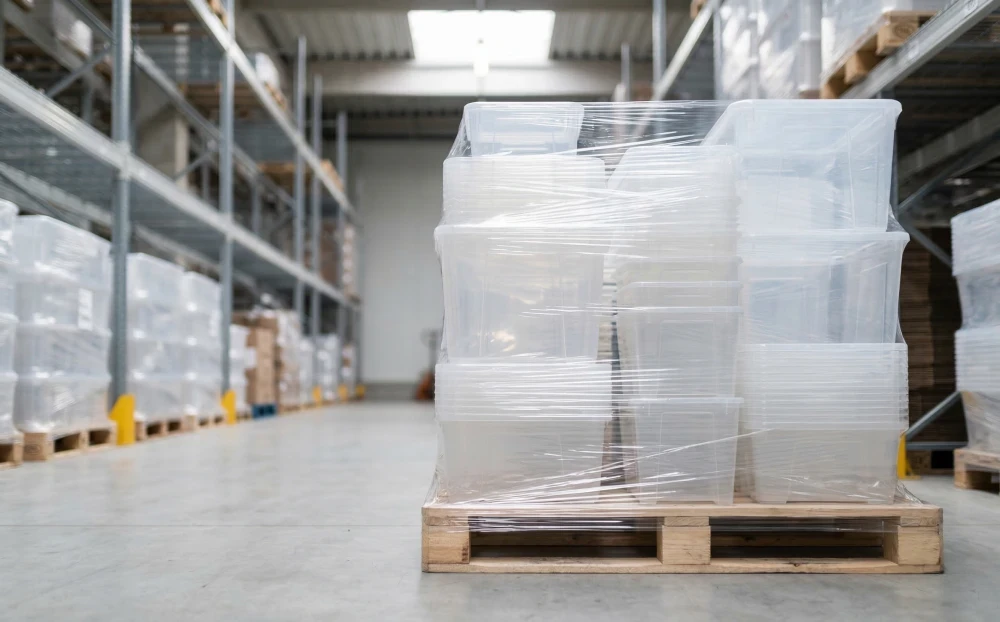
Packaging cost management involves strategic procurement, material lightweighting, and logistical optimization to stabilize overhead expenses despite fluctuating energy prices and supply chain disruptions. By focusing on operational efficiency and material selection, businesses can maintain healthy margins even when external market forces remain unpredictable. You are likely dealing with the constant pressure of rising utility costs […]
How to Remove VOCs from Recycled PET for Safe Food Packaging

Removing volatile organic compounds involves thermal desorption and vacuum stripping processes that extract residual chemical impurities from recycled polyethylene terephthalate (rPET) to ensure it meets food-grade safety standards. This decontamination stage is vital for transforming post-consumer waste into high-purity materials capable of direct contact with beverages and food products without risking migration. Many procurement managers […]
The Role of Recycled Feedstocks in Stable Plastic Pricing

The global packaging market is increasingly defined by extreme price volatility, driven by geopolitical instability and the inherent fluctuations of the petrochemical industry. For high-volume buyers, sourcing stability is no longer just about finding the lowest entry price but about securing a predictable cost structure over multi-year procurement cycles. Utilizing recycled polyethylene terephthalate (rPET) provides […]