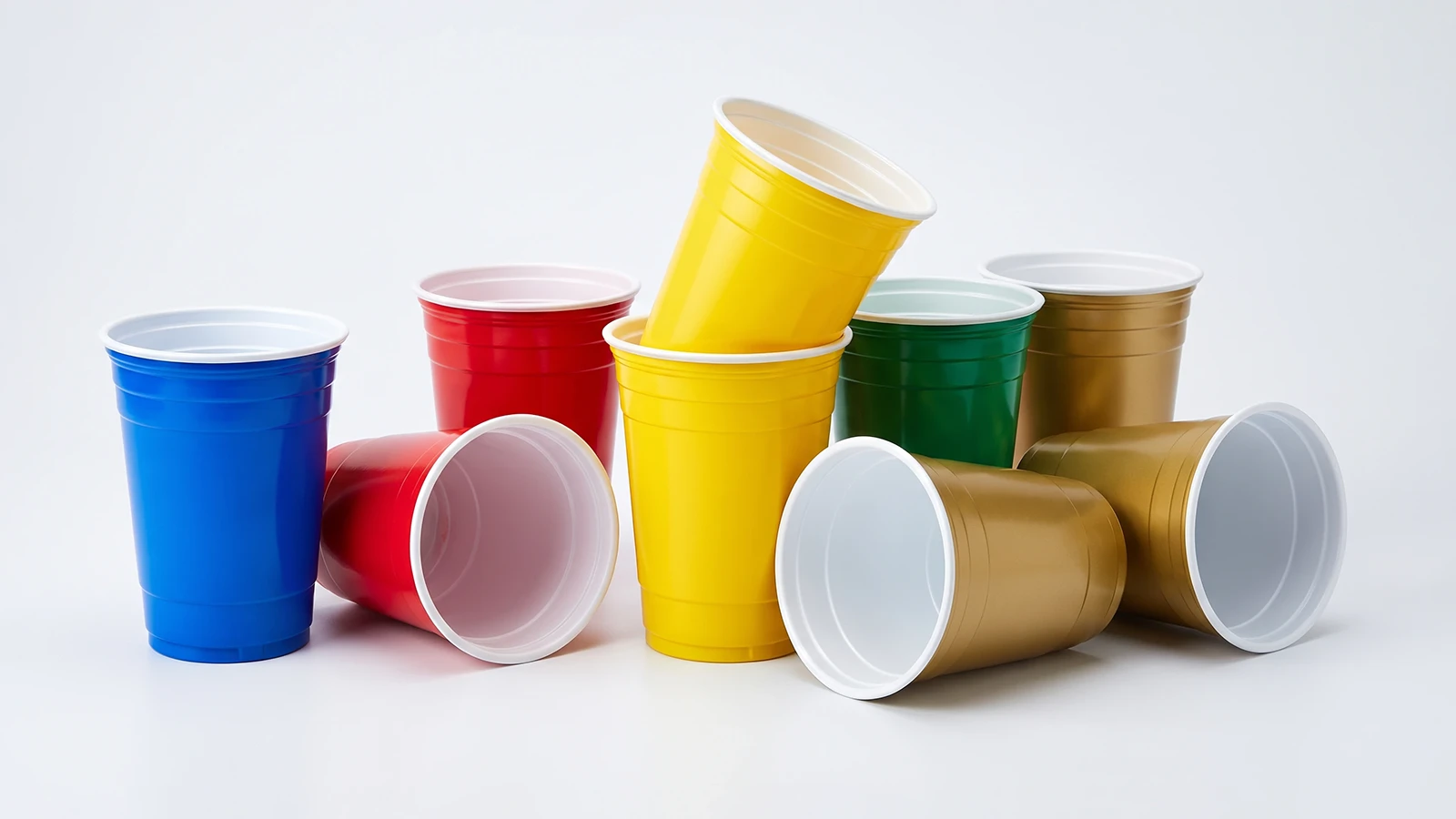

In the bustling world of catering, where food is prepared, transported, and served in diverse settings, ensuring food safety is a top priority. Catering packaging plays a vital role in keeping food safe and fresh from the kitchen to the consumer’s plate. At Reliancepak, we take pride in providing packaging solutions that meet and exceed global food safety standards, protecting both our clients and their customers. This article explores the essential food safety standards that catering packaging must meet, why they matter, and how Reliancepak ensures compliance to deliver safe, reliable products.
What Are Food Safety Standards for Catering Packaging?
Food safety standards for catering packaging are regulations and guidelines established by governmental and international bodies to ensure that packaging materials do not contaminate food or pose health risks. These standards cover everything from the materials used to the labeling on the packaging, ensuring food remains safe during preparation, transport, and service.
Key Regulatory Bodies and Their Roles
Several organizations worldwide set and enforce food safety standards for packaging. Here’s a look at some of the most prominent ones:
- FDA (United States): The FDA regulates food contact substances, requiring that packaging materials be safe with a “reasonable certainty of no harm” under intended use conditions. This includes ensuring no harmful chemicals migrate into food and that packaging includes critical information like product names, nutritional content, and allergen warnings.
- USDA (United States): For meat and poultry products, the USDA imposes additional requirements, such as inspection legends, signature lines, and safe handling instructions on packaging.
- EU (European Union): Regulation (EC) No 1935/2004 mandates that packaging materials be inert and not transfer harmful substances into food. Regulation (EU) No 10/2011 sets specific migration limits for plastic materials in contact with food.
- FSANZ (Australia/New Zealand): The Food Standards Code outlines requirements for packaging materials and food contact surfaces, with recent updates (Standard 3.2.2A) adding safety measures for high-risk food businesses like catering.
Specific Requirements for Catering Packaging
Catering packaging must meet several critical criteria to ensure food safety:
- Material Safety: Packaging must be made from non-toxic, food-grade materials that do not leach harmful chemicals, such as BPA, into food.
- Labeling: Clear and accurate labeling is essential, particularly for allergens. Common allergens like peanuts, shellfish, tree nuts, wheat, soy, eggs, fish, and milk must be listed prominently.
- Durability: Packaging must be robust enough to withstand transportation and storage without breaking, leaking, or compromising food integrity.
- Tamper-Evidence: Some packaging includes features to show if it has been tampered with, enhancing consumer safety.
- Sustainability: While not always mandatory, there’s a growing demand for eco-friendly materials like compostable plastics, recycled paper, or biodegradable options.
The following table summarizes key requirements across major regulatory bodies:
| Regulatory Body | Key Standards | Details |
|---|---|---|
| FDA (USA) | Food Contact Substances | Must be safe with no harmful migration into food. |
| Labeling Requirements | Must include product name, manufacturer, nutritional info, allergens, etc. | |
| USDA (USA) | Meat and Poultry | Additional inspection and labeling requirements. |
| EU | EC 1935/2004 | General safety and inertness of materials. |
| EC 10/2011 | Specific for plastic materials in contact with food. | |
| FSANZ (Australia/New Zealand) | Food Standards Code | Covers packaging materials and food contact surfaces. |
These standards ensure that catering packaging protects food and provides consumers with essential information, making it a cornerstone of food safety.
Why Are Food Safety Standards Important for Catering?
Catering presents unique challenges compared to other food service sectors. Food is often prepared in advance, transported to various locations, and served after periods of storage, increasing the risk of contamination if packaging is substandard. Proper catering packaging addresses these challenges by:
- Preventing Contamination: High-quality packaging acts as a barrier against bacteria, viruses, and chemical contaminants, reducing the risk of foodborne illnesses.
- Maintaining Food Quality: It preserves the taste, texture, and nutritional value of food by protecting it from moisture, oxygen, and light.
- Ensuring Compliance: Adhering to standards helps catering businesses avoid legal issues, fines, and costly recalls.
- Building Consumer Trust: Consumers expect safe, high-quality food, and compliant packaging demonstrates a commitment to their safety.
The importance of these standards is underscored by alarming statistics:
- Globally, there are approximately 600 million cases of foodborne illnesses each year, resulting in 420,000 deaths (WHO1).
- In the U.S., food allergies affect at least 1 in 13 children, with 40% allergic to multiple foods, making accurate labeling critical (FoodDocs).
- Foodborne illnesses cost billions annually in medical expenses and lost productivity, highlighting the economic impact of non-compliance.
By using packaging that meets or exceeds food safety standards, catering businesses can significantly reduce these risks and ensure the well-being of their customers.
How Does Reliancepak Ensure Compliance with Food Safety Standards?
At Reliancepak, we are dedicated to providing catering packaging that meets the highest international safety standards. As a B2B wholesaler and manufacturer with 9 production lines, we supply a wide range of products, including plastic packaging trays, disposable food containers, paper boxes, paper bags, plastic cups, and paper cups, to clients in countries like the U.S., Malaysia, Peru, and Spain.
Our Commitment to Safety
Reliancepak ensures compliance through the following measures:
- Certifications: All our products hold food-grade certifications from the FDA and EU, guaranteeing they meet stringent safety requirements.
- Eco-Friendly Materials: We use environmentally friendly, food-safe materials free from harmful chemicals like BPA, aligning with global sustainability trends.
- Professional Customization: Our customization services allow us to tailor packaging to specific client needs while ensuring compliance with all relevant standards.
- Rigorous Quality Control: We maintain strict quality control processes across our production lines to ensure every product meets our high standards before reaching clients.
- Free Samples: We offer free samples, allowing clients to verify the quality and safety of our products firsthand.
- Fast Delivery: Our efficient production and logistics ensure quick delivery, helping clients meet tight catering schedules without compromising safety.
Our commitment to food safety extends beyond compliance. We continuously update our practices to align with the latest regulations and industry best practices, ensuring our clients can trust us to deliver safe, reliable packaging solutions.
What Are the Benefits of Using Compliant Catering Packaging?
Using packaging that meets food safety standards offers significant advantages for both catering businesses and their customers.
Benefits for Businesses
- Reduced Risk of Outbreaks: Compliant packaging minimizes the chance of foodborne illness outbreaks, which can lead to lawsuits, recalls, and reputational damage.
- Legal Compliance: Adhering to regulations ensures businesses operate within the law, avoiding fines and penalties.
- Enhanced Reputation: Demonstrating a commitment to safety builds trust and loyalty among clients and consumers.
- Operational Efficiency: High-quality packaging reduces the likelihood of product damage during transport, saving time and costs.
Benefits for Consumers
- Safety Assurance: Compliant packaging ensures food is free from contaminants, providing peace of mind.
- Better Food Quality: It preserves the freshness, taste, and nutritional value of food, enhancing the dining experience.
- Health Protection: Clear allergen labeling and safe materials reduce the risk of allergic reactions and other health issues.
In the competitive catering industry, where reputation and reliability are paramount, using high-quality, compliant packaging is a strategic advantage that sets businesses apart.
Are There Examples of Food Safety Standards in Action?
Real-world examples highlight the importance of food safety standards for catering packaging:
- Allergen Labeling Success: In 2022, a major U.S. catering company avoided a potential health crisis by using packaging with clear allergen labels, alerting consumers to peanut traces in a dish. This compliance prevented allergic reactions and reinforced the company’s reputation for safety.
- Recall Due to Non-Compliance: In contrast, a 2021 incident in the UK involved a catering supplier recalling products due to packaging that leached harmful chemicals into food, leading to significant financial losses and consumer distrust (Food Standards Agency).
- Reliancepak’s Impact: A large food distributor in Malaysia partnered with Reliancepak to supply EU-certified disposable containers for a national event. The packaging’s durability and safety certifications ensured food safety across multiple venues, earning praise from organizers and attendees.
These examples demonstrate how adherence to food safety standards can prevent issues and enhance business outcomes, while non-compliance can lead to serious consequences.
How Do Food Safety Standards Evolve?
Food safety standards for catering packaging are not static; they evolve to address new challenges and consumer expectations. Recent trends include:
- Sustainability Focus: Regulatory bodies like the EU are pushing for recyclable and biodegradable packaging to reduce environmental impact (Future Market Insights2).
- Smart Packaging: Innovations like temperature control indicators are enhancing safety by ensuring food remains within safe temperature ranges.
- Stricter Chemical Regulations: Global efforts are targeting harmful substances like PFAS (forever chemicals) in packaging, with bans in several regions.
Reliancepak stays ahead of these trends by investing in sustainable materials and innovative designs, ensuring our packaging remains compliant and future-ready.
Conclusion
Food safety standards for catering packaging are essential for protecting public health, ensuring legal compliance, and maintaining the quality of food in the dynamic catering industry. From the FDA’s requirements for safe materials to the EU’s regulations on chemical migration, these standards safeguard consumers and businesses alike. At Reliancepak, we are committed to providing packaging solutions that exceed these standards, offering certified, eco-friendly, and customizable products to clients worldwide. By choosing Reliancepak, catering businesses can ensure their food is safely packaged, delighting customers and building trust in every meal served.