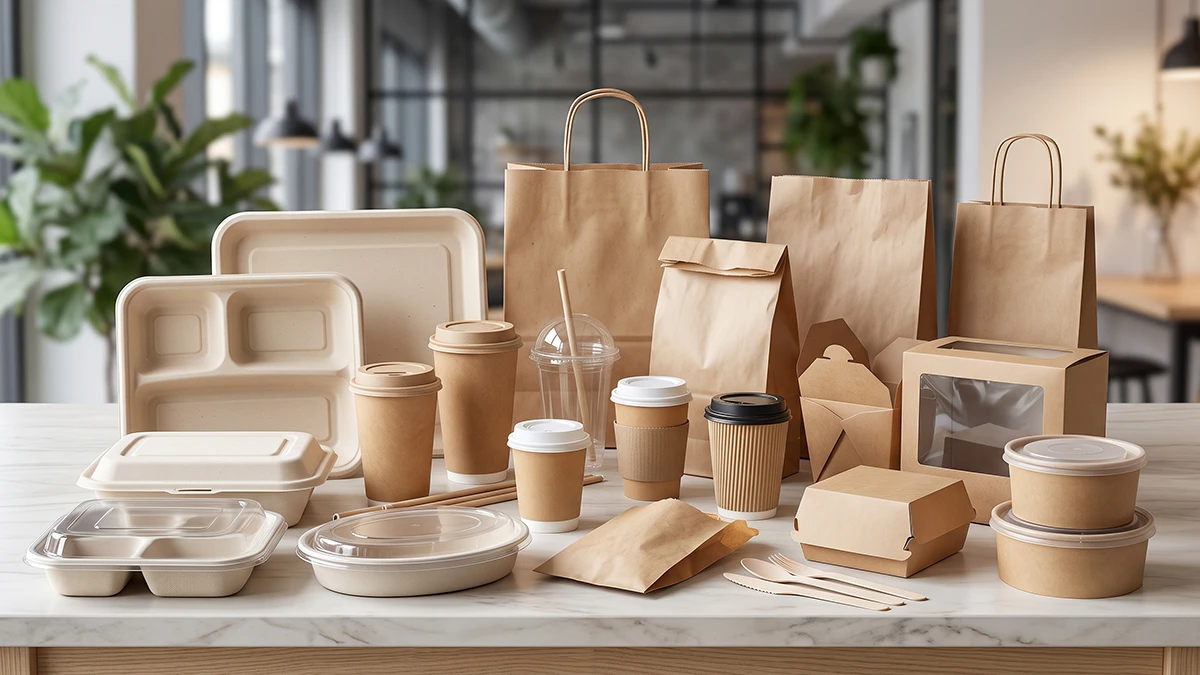

Catering is a demanding business. You’re balancing food quality, presentation, logistics, and, of course, budget. One crucial element that often gets overlooked is your catering packaging. The right wholesale catering packaging supplier can significantly impact your operational efficiency, food safety, and even your brand image. But with so many options available, how do you choose the best one? This guide will walk you through the key considerations to help you make an informed decision.
Why is Choosing the Right Wholesale Catering Packaging Supplier So Important?
Your packaging is more than just a container; it’s an extension of your brand and a critical component of your service. Here’s why choosing the right supplier matters:
- Food Safety and Quality: Proper packaging protects food from contamination, spoilage, and temperature fluctuations, ensuring that your culinary creations arrive at their destination fresh and delicious.
- Preservation: Certain packaging materials can extend the shelf life of prepared foods, reducing waste and saving you money.
- Presentation: High-quality, attractive packaging enhances the overall dining experience and reflects positively on your brand.
- Cost-Effectiveness: The right supplier can offer competitive pricing, volume discounts, and efficient packaging solutions that streamline your operations.
- Sustainability: Eco-friendly packaging options demonstrate your commitment to environmental responsibility, appealing to environmentally conscious clients.
- Reliability: A dependable supplier ensures consistent product availability, timely deliveries, and responsive customer service.
What Key Factors Should Caterers Consider When Selecting a Wholesale Packaging Supplier?
When choosing a wholesale catering packaging supplier, several key factors warrant careful consideration. Let’s break them down:
Product Range and Variety
What types of packaging solutions do they offer?
A good supplier should offer a wide range of products to meet your diverse needs, including:
- Food Containers: Different shapes, sizes, and materials for various dishes.
- Serving Platters and Trays: For presenting appetizers, entrees, and desserts.
- Cutlery and Napkins: Disposable or reusable options.
- Drinkware: Cups, glasses, and lids for beverages.
- Bags and Boxes: For takeout and delivery orders.
- Specialty Items: Such as chafing dishes, warming trays, and serving utensils.
Do they offer customization options?
Customized packaging can help you reinforce your brand identity. Look for suppliers who offer:
- Branding: Printing your logo and company name on packaging.
- Custom Sizes and Shapes: Tailored to your specific menu items.
- Unique Designs: To differentiate your packaging from competitors.
Quality and Durability of Materials
What materials do they use, and are they food-grade?
Ensure that the supplier uses high-quality, food-grade materials that are safe for contact with food. Common materials include:
- Plastic (PP, PET, rPET): Lightweight, versatile, and recyclable.
- Foam: Insulating and cost-effective.
- Paperboard: Eco-friendly and biodegradable.
- Aluminum: Durable and heat-resistant.
- Sugarcane Bagasse: A compostable alternative to traditional materials.
Do they meet relevant safety standards and regulations?
Your supplier should comply with all relevant food safety standards and regulations, such as FDA guidelines and local health codes. Don’t hesitate to ask for certifications and documentation.
Pricing and Minimum Order Quantities (MOQs)
What are their pricing structures and payment terms?
Compare pricing across different suppliers to ensure you’re getting a competitive rate. Ask about volume discounts and payment options.
What are their MOQs, and do they align with your business needs?
MOQs can be a significant factor, especially for smaller catering businesses. Choose a supplier with MOQs that match your order volume and storage capacity.
Here’s a sample pricing table:
| Packaging Item | Material | Size | Price per Unit (USD) | MOQ |
|---|---|---|---|---|
| Clamshell Container | rPET | 8″ x 8″ | $0.35 | 1,000 |
| Rectangular Food Container | PP | 9″ x 6″ | $0.28 | 1,500 |
| Round Soup Container | Paperboard | 12 oz | $0.22 | 2,000 |
| Compostable Salad Bowl | Sugarcane | 32 oz | $0.45 | 800 |
This data is generated by a third-party model.
Sustainability and Eco-Friendliness
Do they offer sustainable packaging options?
With growing environmental awareness, sustainable packaging is becoming increasingly important. Look for suppliers who offer:
- Recycled Materials: Packaging made from recycled content.
- Compostable Materials: Packaging that breaks down naturally in a composting environment.
- Biodegradable Materials: Packaging that decomposes over time.
- Reduced Packaging: Minimizing the amount of packaging used.
Are they committed to environmentally responsible practices?
Choose a supplier who is committed to sustainable sourcing, production, and waste management.
Reliability and Delivery Options
What are their lead times and delivery schedules?
Ensure that the supplier can meet your delivery deadlines, especially during peak seasons.
Do they offer flexible delivery options and tracking services?
Look for suppliers who offer convenient delivery options, such as:
- Scheduled Deliveries: Regular deliveries on a set schedule.
- Rush Deliveries: For urgent orders.
- Tracking Services: To monitor the status of your deliveries.
Customer Service and Support
Do they have a responsive and knowledgeable customer service team?
A good supplier should provide excellent customer service and support. They should be able to answer your questions promptly, resolve any issues efficiently, and provide technical assistance when needed.
Do they offer technical support and training on packaging usage?
Some suppliers offer training on proper packaging techniques, food safety best practices, and the optimal use of their products. This can be invaluable for your staff.
Certifications and Compliance
Do they have relevant certifications for food safety and quality?
Verify that the supplier has the necessary certifications to demonstrate their commitment to food safety and quality, such as:
- ISO 22000: Food Safety Management System
- HACCP: Hazard Analysis and Critical Control Points
- BRC: Global Standards for Food Safety
Are they compliant with all applicable regulations and standards?
Ensure that the supplier complies with all relevant regulations and standards, including:
- FDA regulations: For food contact materials.
- Local health codes: For food packaging and handling.
Location and Logistics
Are they located conveniently for your business?
Proximity can affect shipping costs and delivery times. Consider suppliers who are located near your catering operations.
Do they have efficient logistics and warehousing capabilities?
A supplier with robust logistics and warehousing can ensure timely and accurate order fulfillment.
Financial Stability and Reputation
How long have they been in business, and what is their reputation in the industry?
Choose a supplier with a proven track record of reliability and customer satisfaction.
Do they have positive reviews and testimonials from other caterers?
Check online reviews and ask for references from other caterers to gauge the supplier’s reputation.

How Can Reliancepak Help You Optimize Your Catering Packaging?
At Reliancepak, we understand the unique challenges faced by caterers. We offer a comprehensive range of wholesale catering packaging solutions designed to meet your specific needs. Here’s how we can help you:
- Extensive Product Range: We offer a wide variety of food containers, serving platters, cutlery, drinkware, and more.
- Customization Options: We can customize your packaging with your logo, company name, and unique designs.
- High-Quality Materials: We use only food-grade materials that meet the highest safety standards.
- Competitive Pricing: We offer competitive pricing and volume discounts.
- Sustainable Solutions: We offer a range of eco-friendly packaging options, including recycled, compostable, and biodegradable materials.
- Reliable Delivery: We provide flexible delivery options and tracking services.
- Excellent Customer Service: Our knowledgeable customer service team is always available to assist you.
Real-World Examples: How Caterers Benefit from Choosing the Right Supplier
Let’s look at some real-world examples of how caterers have benefited from choosing the right packaging supplier:
Case Study 1: Reducing Food Waste with Modified Atmosphere Packaging (MAP)
- Challenge: A catering company was experiencing high levels of food waste due to spoilage.
- Solution: They partnered with a supplier who offered MAP packaging, which extends the shelf life of prepared foods.
- Result: The catering company reduced food waste by 30% and saved thousands of dollars per year.
Case Study 2: Enhancing Brand Image with Custom Packaging
- Challenge: A catering company wanted to differentiate itself from competitors and enhance its brand image.
- Solution: They worked with a supplier to create custom-designed packaging that reflected their brand’s unique style.
- Result: The catering company saw a significant increase in customer satisfaction and brand recognition.
Case Study 3: Streamlining Operations with Efficient Packaging Solutions
- Challenge: A catering company was struggling with inefficient packaging processes that were slowing down their operations.
- Solution: They partnered with a supplier who offered stackable containers and easy-to-use packaging solutions.
- Result: The catering company streamlined its operations, reduced labor costs, and improved overall efficiency.
Common Mistakes to Avoid When Choosing a Wholesale Catering Packaging Supplier
Choosing the right supplier is crucial, but it’s also important to avoid common mistakes that can lead to problems down the road. Here are some pitfalls to watch out for:
- Focusing solely on price: While price is important, it shouldn’t be the only factor. Consider quality, reliability, and customer service as well.
- Ignoring sustainability: Don’t overlook the importance of eco-friendly packaging options.
- Failing to check certifications: Verify that the supplier has the necessary certifications for food safety and quality.
- Not considering storage and transportation: Ensure that the packaging is suitable for your storage and transportation needs.
- Neglecting customer service: Choose a supplier with a responsive and helpful customer service team.
- Lack of Volume Forecasting: Failing to accurately predict packaging needs can lead to shortages or excess inventory.

What Questions Should You Ask Potential Suppliers?
Before making a decision, be sure to ask potential suppliers the following questions:
- What is your product range and do you offer customisation options?
- What materials do you use, and are they food-grade?
- What are your pricing structures and payment terms?
- What are your minimum order quantities (MOQs)?
- Do you offer sustainable packaging options?
- What are your lead times and delivery schedules?
- Do you have a responsive and knowledgeable customer service team?
- Do you have relevant certifications for food safety and quality?
- Are you compliant with all applicable regulations and standards?
- Can you provide references from other caterers?
- What are your return and refund policies?
- Do you offer any warranties on your products?
- What is your process for handling complaints or disputes?
- Can you provide samples of your packaging for testing?
- Do you offer any discounts for long-term contracts?
- What is your contingency plan in case of supply chain disruptions?
The Future of Catering Packaging: Trends to Watch
The catering packaging industry is constantly evolving. Here are some trends to keep an eye on:
- Increased Demand for Sustainable Packaging: Consumers are increasingly demanding eco-friendly packaging options, driving innovation in this area.
- Smart Packaging Technologies: Technologies such as QR codes, NFC tags, and sensors are being integrated into packaging to provide real-time information about food safety, freshness, and traceability.
- Personalized Packaging: Caterers are using personalized packaging to create a more memorable and engaging customer experience.
- Focus on Food Safety: Food safety remains a top priority, with packaging playing a crucial role in preventing contamination and spoilage.
- Regulations: Expect stricter regulations regarding single-use plastics and food packaging materials.
Calculate the ROI of Smart Catering Packaging
Investing in smarter packaging can lead to significant cost savings and improved efficiency. Here’s how to calculate the ROI:
ROI Formula:
ROI = [(Savings - Investment) / Investment] x 100
Example:
- Investment in Smart Packaging: $5,000
- Annual Savings from Reduced Food Waste and Improved Efficiency: $10,000
- ROI:
[($10,000 - $5,000) / $5,000] x 100 = 100%
In this example, the ROI is 100%, meaning that the investment in smart packaging paid for itself in one year and generated an additional $5,000 in savings.
Here’s a sample table demonstrating the potential ROI of different packaging improvements:
| Packaging Improvement | Investment (USD) | Annual Savings (USD) | ROI |
|---|---|---|---|
| Switching to Compostable Containers | $2,000 | $3,000 | 50% |
| Implementing MAP Packaging | $5,000 | $8,000 | 60% |
| Custom Branding and Design | $3,000 | $4,500 | 50% |
| Optimizing Container Sizes | $1,000 | $2,000 | 100% |
This data is generated by a third-party model.
Conclusion: Partnering for Packaging Success
Choosing the right wholesale catering packaging supplier is a critical decision that can significantly impact your business. By carefully considering the factors outlined in this guide, you can find a supplier who meets your specific needs and helps you achieve your goals.
At Reliancepak, we’re committed to providing caterers with the highest quality packaging solutions, exceptional customer service, and sustainable options. Contact us today to learn more about how we can help you optimize your catering packaging and take your business to the next level. By investing in the right packaging, you’re investing in the future success and profitability of your catering operation.