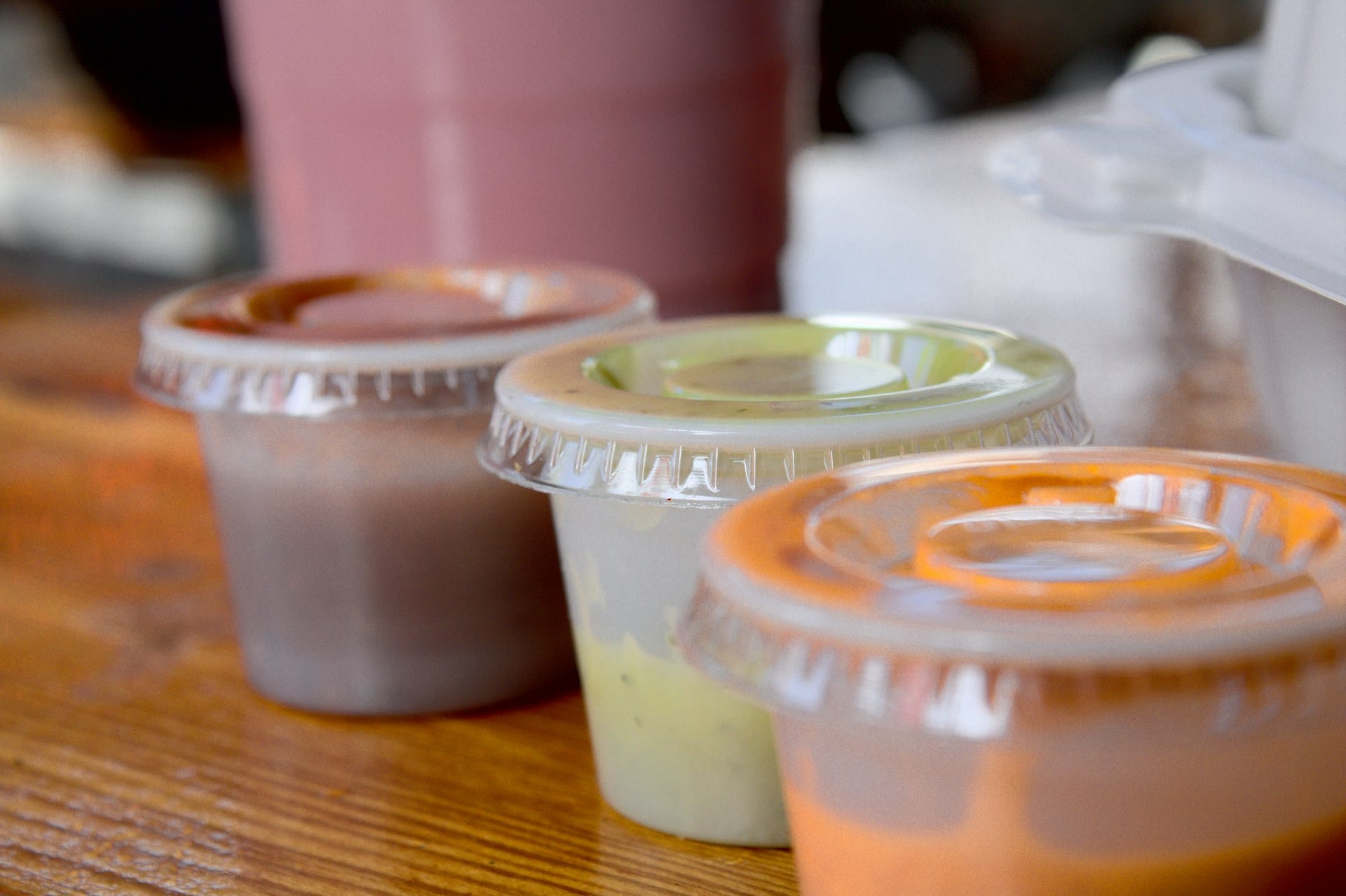
Introduction: The Critical Role of Packaging in Food Preservation
In the competitive food industry, extending product shelf life is a key factor for success, directly impacting profitability, market reach, and waste reduction. For sauces, maintaining freshness, flavor, and quality over time is paramount. This is where high-barrier packaging, particularly High-Barrier Polyethylene Terephthalate (PET) sauce containers, plays a crucial role. This blog post will explore the science behind high-barrier PET, its benefits for extended shelf life, and why it’s the ideal choice for businesses seeking to optimize their product’s longevity and appeal.
Understanding Shelf Life and Its Challenges for Sauces
Shelf life refers to the period during which a food product remains safe, retains its desired quality, and meets its nutritional claims. For sauces, various factors can lead to spoilage and degradation, making effective packaging indispensable.
Factors Affecting Sauce Shelf Life
Several environmental and intrinsic factors contribute to the deterioration of sauces. These include exposure to oxygen, moisture, light, and microbial growth. Each of these elements can compromise the sauce’s taste, color, texture, and safety.
Oxygen Permeation
Oxygen is a primary culprit in food spoilage, leading to oxidation of fats, oils, and flavor compounds, as well as promoting the growth of aerobic microorganisms. Packaging that effectively blocks oxygen is vital for preserving freshness.
Moisture Loss or Gain
Maintaining optimal moisture levels is crucial. Moisture loss can lead to drying and texture changes, while moisture gain can promote microbial growth and alter consistency. A strong moisture barrier is therefore essential.
Light Exposure
Ultraviolet (UV) and visible light can degrade vitamins, pigments, and flavor compounds in sauces, leading to discoloration and off-flavors. Opaque or UV-blocking packaging can mitigate these effects.
The Science of High-Barrier Packaging
High-barrier packaging is designed to create a protective shield around food products, minimizing the exchange of gases, moisture, and light between the product and its external environment. This advanced packaging technology significantly extends shelf life.
What Makes a Barrier Effective
Effective barrier packaging relies on materials with low permeability to gases (like oxygen and carbon dioxide) and water vapor. This is achieved through the inherent properties of the material itself or by incorporating multiple layers of different materials.
Barrier Technologies in PET
While standard PET offers good barrier properties, high-barrier PET incorporates additional technologies to enhance its protective capabilities. These often include:
- Multi-layer Structures: Combining PET with other barrier materials like EVOH (Ethylene Vinyl Alcohol) or nylon creates a composite structure with superior gas and moisture resistance.
- Oxygen Scavengers: Additives within the PET matrix can actively absorb oxygen that permeates through the plastic, further protecting oxygen-sensitive products.
- UV Blockers: Special additives can be incorporated to filter out harmful UV light, preventing light-induced degradation of the sauce.
Benefits of High-Barrier PET for Sauce Containers
High-barrier PET sauce containers offer a multitude of benefits for food manufacturers, particularly those dealing with sensitive or perishable sauces that require extended shelf life.
Extended Shelf Life and Reduced Spoilage
By significantly limiting the ingress of oxygen and moisture, high-barrier PET dramatically extends the shelf life of sauces. This reduces product spoilage, minimizes waste, and allows for broader distribution channels.
Preservation of Flavor, Aroma, and Color
Oxygen and light can cause sauces to lose their vibrant color, fresh aroma, and original flavor. High-barrier PET acts as a robust shield, preserving the sensory qualities of the sauce, ensuring it reaches the consumer in its intended state.
Enhanced Food Safety
By preventing the growth of spoilage microorganisms that thrive in the presence of oxygen, high-barrier PET contributes to enhanced food safety. This is crucial for maintaining product integrity and consumer trust.
Lightweight and Durable
Despite their superior barrier properties, high-barrier PET containers remain lightweight and durable. This translates to reduced transportation costs, easier handling, and less breakage compared to traditional packaging materials like glass.
Transparency and Product Appeal
PET’s inherent clarity allows the product to be seen, which is a significant advantage for visually appealing sauces. This transparency, combined with extended freshness, enhances product appeal on the retail shelf.
Applications of High-Barrier PET in Sauce Packaging
High-barrier PET is suitable for a wide array of sauces, especially those prone to oxidation or requiring a long shelf life without refrigeration. Its versatility makes it an excellent choice for various segments of the food industry.
Tomato-Based Sauces
Tomato sauces, rich in antioxidants and sensitive to oxygen, greatly benefit from high-barrier PET. The packaging helps maintain their vibrant red color and fresh taste, preventing browning and off-flavors.
Dressings and Marinades
Oil-based dressings and marinades are susceptible to rancidity when exposed to oxygen. High-barrier PET provides the necessary protection to keep these products fresh and palatable for longer periods.
Dairy-Based Sauces
Creamy or dairy-based sauces can be highly sensitive to spoilage. High-barrier PET helps to maintain their texture and prevent microbial growth, ensuring safety and quality.
Specialty and Gourmet Sauces
For premium and gourmet sauces, preserving their unique flavor profiles and extending their market reach is crucial. High-barrier PET offers the superior protection needed to maintain the integrity of these high-value products.
The Manufacturing Process of High-Barrier PET Containers
The production of high-barrier PET containers involves sophisticated manufacturing techniques to ensure the integrity of the barrier properties. This often includes co-injection or co-extrusion processes.
Co-Injection Molding
In co-injection molding, different plastic resins, including barrier layers, are injected simultaneously into a mold to create a multi-layered preform. This preform is then blow-molded into the final container shape.
Co-Extrusion Blow Molding
Co-extrusion blow molding involves extruding multiple layers of plastic materials together to form a parison (a hollow tube), which is then blown into the desired container shape. This method is also effective for creating multi-layer barrier structures.
Cost-Benefit Analysis of High-Barrier PET
While high-barrier PET containers may have a higher initial cost compared to standard PET or other plastics, the long-term benefits often outweigh this investment, leading to significant overall savings and increased profitability.
Reduced Spoilage and Waste
Extended shelf life directly translates to less product spoilage and waste throughout the supply chain, from manufacturing to retail. This reduces financial losses associated with expired or unsellable products.
Expanded Market Reach
Longer shelf life allows products to be distributed over wider geographical areas, opening up new markets and increasing sales opportunities without compromising product quality.
Enhanced Brand Reputation and Consumer Trust
Consistently delivering fresh, high-quality products builds strong brand loyalty and consumer trust. High-barrier packaging plays a critical role in maintaining this reputation.
Potential for Premium Pricing
Products with extended freshness and superior quality, often enabled by high-barrier packaging, can command premium pricing, further boosting revenue.
Reliancepak: Your Partner for High-Barrier PET Solutions
Reliancepak is at the forefront of providing advanced packaging solutions, including high-barrier PET sauce containers, to meet the stringent demands of the food industry. As a comprehensive trading company and factory, we leverage our nine production lines and extensive expertise to deliver custom-engineered high-barrier PET solutions that ensure maximum shelf life and product integrity for your sauces. Our commitment to quality, fast delivery, and adherence to international food-grade certifications (EU, FDA, etc.) makes us the ideal partner for large company buyers, food factories, and distributors seeking reliable and innovative packaging. Choose Reliancepak for packaging that protects your product and elevates your brand.
Conclusion: Investing in Longevity and Quality
High-barrier PET sauce containers represent a significant advancement in food packaging technology, offering unparalleled protection for sensitive sauces. By understanding the science behind these materials and recognizing their numerous benefits, food businesses can make strategic decisions that lead to extended shelf life, reduced waste, enhanced food safety, and ultimately, greater market success. Investing in high-barrier PET is an investment in the longevity and quality of your product, ensuring it stands out in a competitive marketplace.
Frequently Asked Questions (FAQ)
Q1: What is the primary advantage of high-barrier PET over standard PET?
A1: The primary advantage is significantly improved barrier properties against oxygen, moisture, and light, leading to a much longer shelf life for sensitive food products.
Q2: Is high-barrier PET recyclable?
A2: Yes, high-barrier PET is generally recyclable. However, the presence of multi-layers or specific additives might require specialized recycling processes in some regions. Always check local recycling guidelines.
Q3: Can high-barrier PET containers be used for hot-fill applications?
A3: While PET has good heat resistance, specialized high-barrier PET formulations or specific container designs are often required for hot-fill applications to prevent deformation. Consult with your packaging supplier.
Q4: How does high-barrier PET contribute to food safety?
A4: By preventing the ingress of oxygen and moisture, high-barrier PET inhibits the growth of spoilage microorganisms and preserves the chemical stability of the sauce, thereby enhancing food safety.
Q5: What types of sauces benefit most from high-barrier PET packaging?
A5: Sauces that are highly sensitive to oxygen, light, or moisture, such as tomato-based sauces, oil-based dressings, and dairy-based sauces, benefit most from high-barrier PET packaging due to its superior protective qualities.