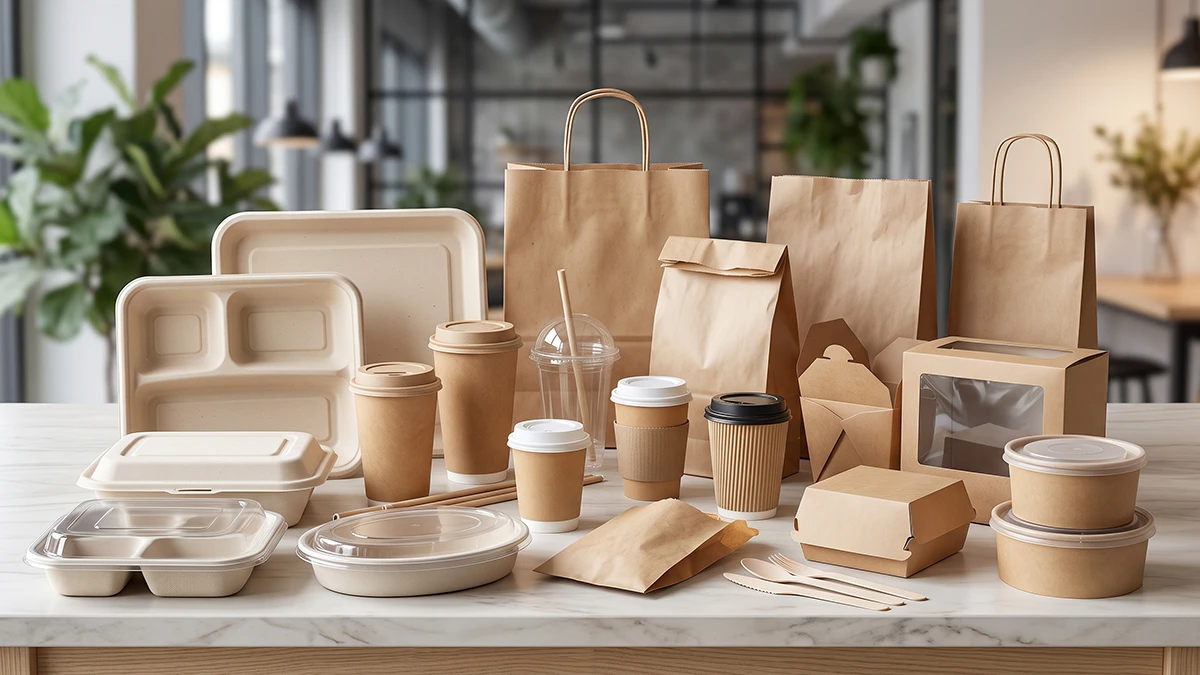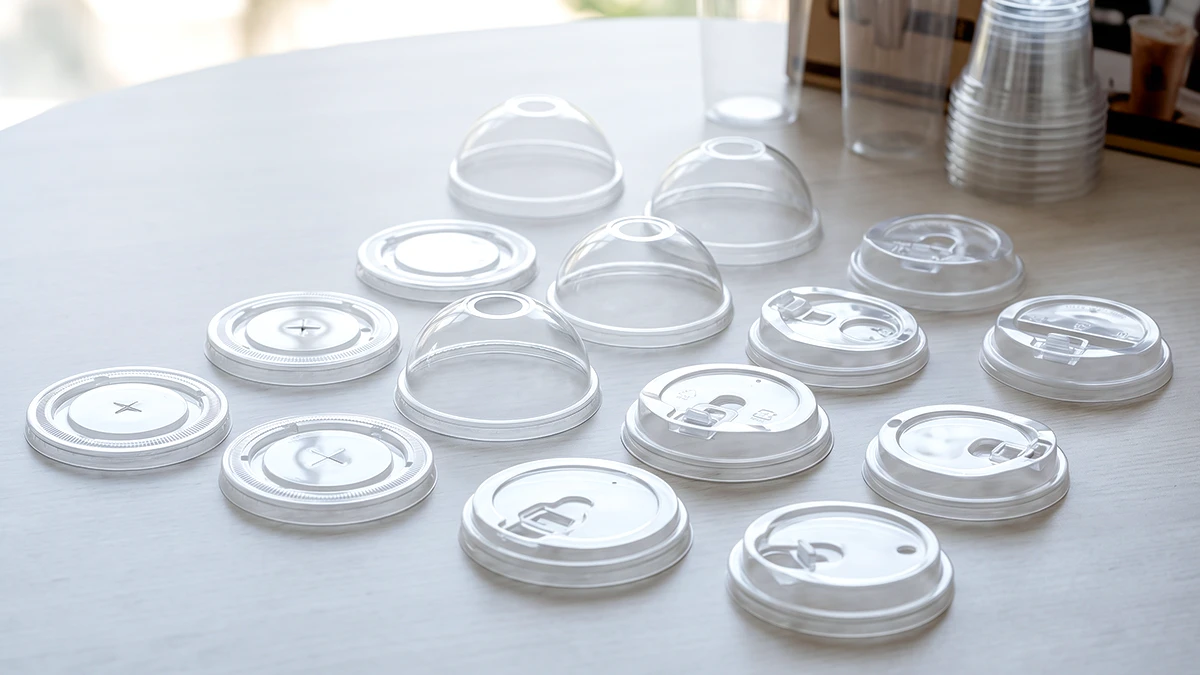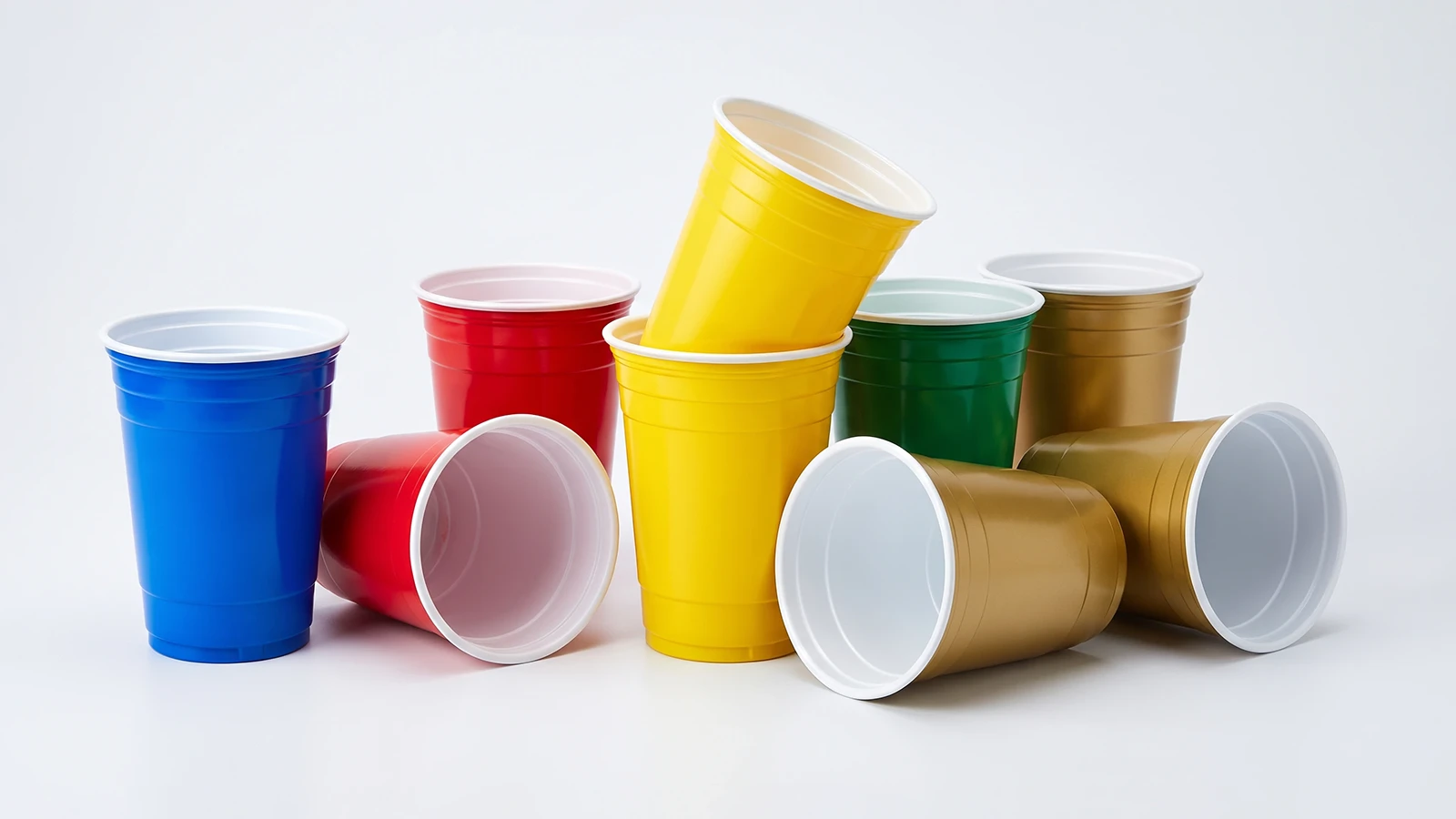

In today’s environmentally conscious market, businesses are increasingly seeking sustainable solutions across their operations, including food packaging. For wholesale buyers of plastic deli containers, the challenge lies in finding products that not only meet durability and food safety requirements but also align with eco-friendly principles. This blog post explores the evolving landscape of sustainable plastic deli containers, offering insights into materials, certifications, and strategies for making environmentally responsible choices without compromising quality or performance.
The Growing Demand for Sustainable Packaging
Consumer awareness of environmental issues, particularly plastic waste, has driven a significant shift in market demand. Businesses are now expected to adopt more sustainable practices, and packaging plays a crucial role in this. For food service providers and retailers, offering eco-friendly options can enhance brand image and attract a broader customer base.
Why Sustainability Matters in Food Packaging
- Consumer Preference: A growing segment of consumers actively seeks out brands that demonstrate environmental responsibility.
- Regulatory Pressure: Governments worldwide are implementing stricter regulations on single-use plastics and promoting circular economy principles.
- Brand Reputation: Adopting sustainable packaging practices can significantly improve a company’s public image and corporate social responsibility profile.
- Resource Conservation: Sustainable packaging aims to reduce reliance on virgin resources, minimize waste, and lower carbon footprints.
Exploring Sustainable Plastic Deli Container Materials
While the term “plastic” often carries negative connotations regarding the environment, advancements in material science have led to more sustainable plastic options. These materials offer a balance between performance and environmental impact.
Recycled Content Plastics (PCR – Post-Consumer Recycled)
Using PCR plastics reduces the demand for new plastic production, conserves resources, and diverts waste from landfills. PET and PP are common plastics that can incorporate significant amounts of PCR content.
- RPET (Recycled PET): Made from recycled PET bottles and containers, RPET offers excellent clarity and barrier properties, suitable for cold foods. It significantly reduces carbon emissions compared to virgin PET.
- RPP (Recycled PP): Recycled polypropylene maintains many of the beneficial properties of virgin PP, including heat resistance and durability, making it a viable option for various deli applications.
Bio-Based Plastics
Bio-based plastics are derived from renewable biomass sources, such as corn starch, sugarcane, or cellulose, rather than fossil fuels. They offer a reduced carbon footprint during production.
- PLA (Polylactic Acid): A common bio-based plastic derived from corn starch. PLA is clear and suitable for cold food applications. It is compostable in industrial composting facilities.
- CPLA (Crystallized Polylactic Acid): A modified version of PLA that is more heat-resistant, making it suitable for some warm food applications, though generally not microwave-safe.
Biodegradable and Compostable Plastics
These plastics are designed to break down in specific environments, reducing long-term environmental persistence. It’s crucial to understand the conditions required for their degradation.
- Compostable: Materials that can break down into natural elements in a composting environment, leaving no toxic residue. Look for certifications like BPI (Biodegradable Products Institute).
- Biodegradable: Materials that can decompose through natural biological processes. The rate and conditions for biodegradation vary widely, and not all biodegradable plastics are compostable.
Balancing Durability and Eco-Friendliness
For wholesale buyers, the transition to sustainable packaging must not compromise the primary functions of deli containers: protecting food, ensuring safety, and providing convenience.
Performance Considerations for Sustainable Materials
| Material Type | Durability | Heat Resistance | Clarity | Best Use Cases | Environmental Benefit |
|---|---|---|---|---|---|
| RPET | High | Low | High | Cold salads, fruits, desserts, beverages | Reduces virgin plastic use, lower carbon footprint |
| RPP | High | High | Translucent | Hot foods, reheatable meals, dairy | Reduces virgin plastic use, lower carbon footprint |
| PLA | Moderate | Low | High | Cold deli items, fresh produce | Renewable resource, industrial compostable |
| CPLA | Moderate | Moderate (some heat) | Opaque/Translucent | Warm foods (not microwave), coffee lids | Renewable resource, industrial compostable |
The Role of Design in Sustainability
Sustainable design goes beyond material choice. It includes optimizing container shape for efficient stacking and transport, reducing material usage (lightweighting), and designing for easier recycling or composting.
- Lightweighting: Reducing the amount of material used in each container without sacrificing strength.
- Nesting and Stacking: Designing containers that fit efficiently together saves space during storage and transport, reducing shipping emissions.
- Mono-material Design: Using a single type of plastic for both container and lid simplifies the recycling process.
Key Considerations for Wholesale Buyers of Sustainable Deli Containers
Making informed decisions about sustainable plastic deli containers involves evaluating several factors beyond just the material type.
Certifications and Standards
Look for third-party certifications that validate environmental claims. This includes certifications for compostability (e.g., BPI, DIN Certco), recycled content, and food safety (e.g., FDA, EU food-grade).
End-of-Life Options and Infrastructure
Consider the available infrastructure for recycling or composting in your target markets. A compostable container is only truly sustainable if there are industrial composting facilities accessible to your customers.
Cost-Benefit Analysis
While sustainable options might sometimes have a higher upfront cost, consider the long-term benefits, including enhanced brand image, potential for increased sales, and compliance with future regulations. Many sustainable options are becoming increasingly cost-competitive.
Supplier Partnerships
Partner with suppliers who are committed to sustainability and can provide transparent information about their products’ environmental attributes. Reliancepak, for example, offers environmentally friendly materials and food-grade certifications, ensuring you receive high-quality, responsible packaging solutions.
Conclusion
Navigating the world of sustainable plastic deli containers requires a thoughtful approach, balancing the need for durability and performance with environmental responsibility. By understanding the different material options, their properties, and the importance of certifications, wholesale buyers can make informed choices that benefit their business, their customers, and the planet. Partnering with a reliable supplier like Reliancepak, which prioritizes both quality and sustainability, is key to successfully integrating eco-friendly packaging into your operations.
Frequently Asked Questions (FAQs)
Q1: Are all bio-based plastics compostable?
A1: No, not all bio-based plastics are compostable. While they are derived from renewable resources, their biodegradability and compostability depend on their chemical structure. Always look for specific compostability certifications (e.g., BPI) to confirm.
Q2: What is the difference between biodegradable and compostable?
A2: Biodegradable means a material can break down into natural elements over time. Compostable means a material will break down in a specific composting environment (usually industrial) within a certain timeframe, leaving no toxic residue. Compostable materials are a subset of biodegradable materials.
Q3: How can I educate my customers about sustainable packaging?
A3: Clearly label your sustainable packaging with relevant certifications and disposal instructions. Use your website, social media, and in-store signage to explain your commitment to sustainability and the benefits of the packaging choices you’ve made.
Q4: Does Reliancepak offer sustainable plastic deli container options?
A4: Yes, Reliancepak is committed to providing environmentally friendly packaging solutions. We offer a range of products made from sustainable materials and ensure they meet food-grade certifications. Our team can also assist with professional customization to align with your brand’s sustainability goals.