Lids look like the smallest line item on a QSR purchase order, but they cause a disproportionate share of counter complaints, spills, and wasted labor. Choosing between flat lids, dome lids, and sip lids is not a matter of taste—it comes down to your menu, your cup rim standards, and how your staff actually serve drinks during a rush.
This guide breaks down the practical differences between the three lid families from both a buyer’s and an end-user’s perspective, then walks through the sourcing checks that separate a smooth wholesale cups with lids program from a recurring headache.
Why Lid Choice Matters More at QSR Volume
A café serving 200 drinks a day can absorb a mismatched lid batch. A QSR pushing 2,000 drinks a day cannot. At that scale, lid problems compound quickly:
- Fit failures slow the assembly line and force double-handling.
- Wrong lid styles for the drink type drive refunds and remakes.
- Inconsistent rim diameters across cup lots mean one lid SKU may not seal on every batch you receive.
Most counter staff can tell within a second whether a lid will seat properly. If they have to press twice, rotate the lid, or wipe overflow, that is seconds lost on every single drink. Across a year, those seconds cost more than the price difference between a good lid supplier and a mediocre one.
The Three Lid Families, Explained
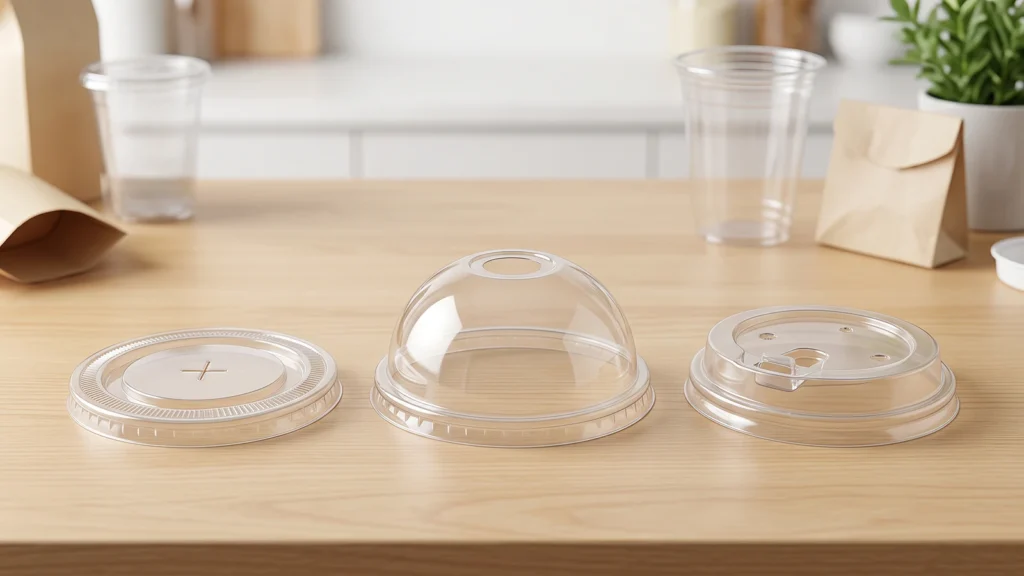
Flat Lids
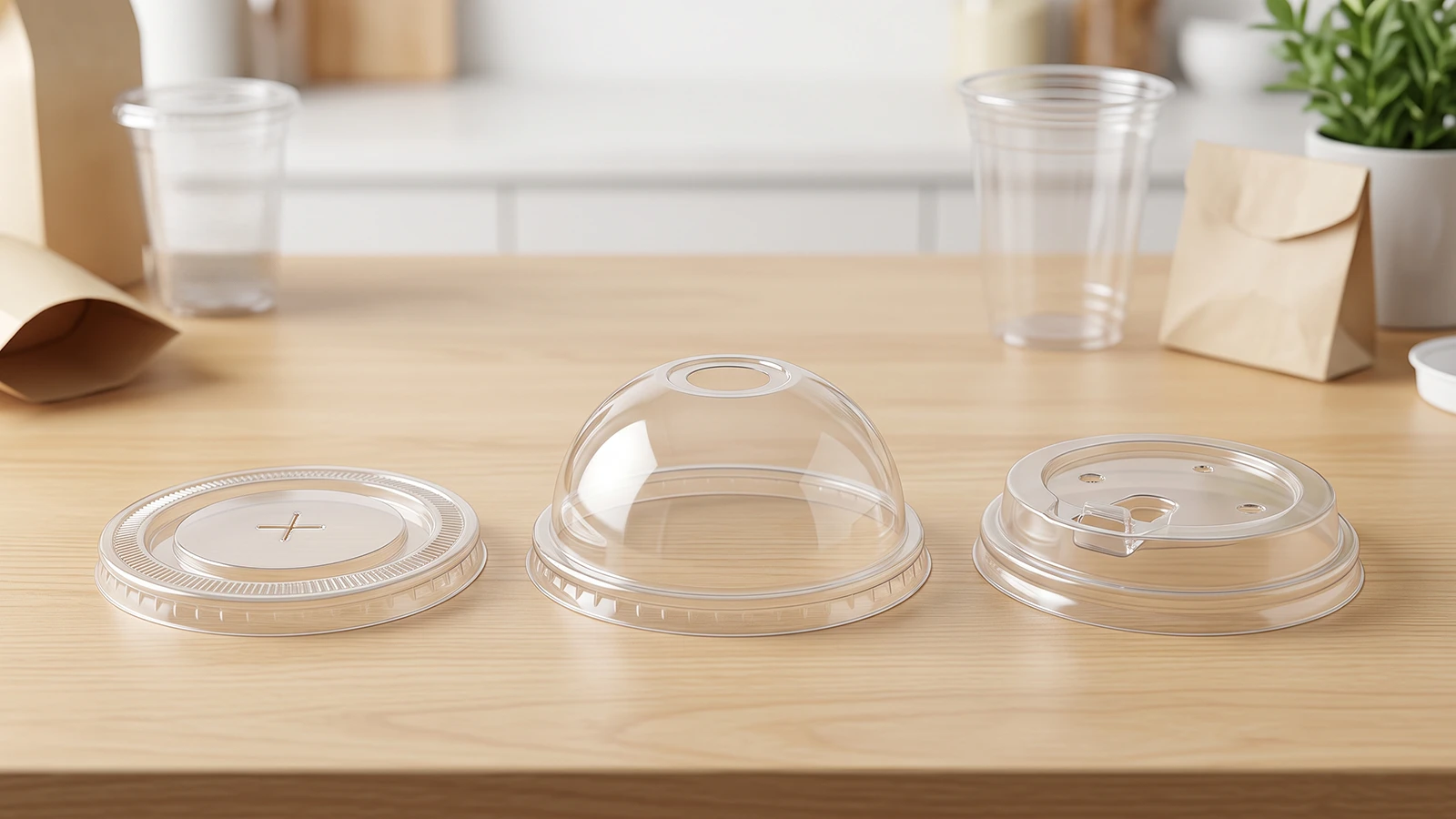
Flat lids sit flush against the cup rim and usually feature either a straw slot or a drink-through hole with a stopper. They are the default choice for cold drinks served with straws—sodas, iced teas, iced coffee—and they stack tightly, which keeps carton counts and storage footprint low.
From a sourcing view, flat lids are the most forgiving category. Their sealing surface is broad, so minor rim tolerance variations rarely cause leaks. The trade-off is presentation: a flat lid signals “takeaway soda,” not “premium beverage.”
Dome Lids
Dome lids arch above the cup rim, creating headspace for whipped cream, foam tops, or ice cream floats. They dominate the milkshake, frappe, and dessert-beverage segment, and the extra volume genuinely protects toppings during a bagged takeaway order.
The costs show up in logistics and handling. Domes nest less tightly than flat lids, so the same carton holds fewer units and freight cost per piece rises. They also demand more accurate rim matching—an ill-fitting dome on a soft drinks cup will pop off under the pressure of a full bag. Many buyers treat dome lids as a separate SKU line rather than an accessory to their standard cup order.
Sip Lids
Sip lids (also called sipper or drink-through lids) have a raised, recessed drinking spout that lets customers consume directly from the lid without a straw. They are standard for hot coffee service in most markets, and increasingly common on cold brew and smoothies where strawless service is a stated goal.
The user experience depends heavily on the sip hole geometry. Too wide, and hot drinks splash during transport; too narrow, and flow frustrates the customer. For hot applications, verify the lid material’s heat resistance and whether a stopper or plug is included, since a lid that deforms under steam or collapses when pressed is a burn liability, not a packaging component.
Quick Comparison
| Attribute | Flat Lid | Dome Lid | Sip Lid |
| Best for | Cold drinks with straws | Topped drinks, milkshakes, desserts | Hot coffee, strawless cold drinks |
| Stacking efficiency | High | Low to medium | Medium |
| Rim tolerance sensitivity | Low | High | Medium |
| Freight cost per unit | Lowest | Highest | Medium |
| Typical failure mode | Straw slot splatter | Popping off in bags | Deformation on hot drinks |
| Perceived service tier | Standard | Premium | Standard to premium |
Sourcing Considerations Before You Commit to a Supplier
Match Lids to Cup Rims, Not the Other Way Around
The most common procurement mistake is ordering cups and lids from different suppliers without checking compatibility first. Rim diameters that measure the same on paper can still differ by fractions of a millimeter in production, and that difference is enough to cause leaks.
The practical approach: source cups and lids as a matched system, or request physical fit samples before approving a combined order. If you are consolidating into a single wholesale cups with lids program, confirm the supplier controls both tooling sets rather than reselling from mixed factories.
Confirm Material Compliance for the Application
A lid for iced soda and a lid for fresh coffee are not interchangeable, even if they share a diameter. Ask specifically about:
- Heat resistance ratings for any lid touching hot beverages.
- Food-contact certifications relevant to your market (for example, FDA compliance for US imports or EU food-grade standards).
- PS vs PP behavior — polystyrene lids are rigid and economical but crack under stress; polypropylene bends instead of cracking and handles heat better.
A qualified supplier will state the material and certification for each SKU in writing. Reluctance to document this is a signal to keep looking.
Model the True Landed Cost, Not the Unit Price
Dome lids often carry the lowest quoted unit price in a catalog and the highest real cost once you factor nesting losses, void fill in cartons, and container space. When comparing quotes across lid types and suppliers, calculate cost per shipped drink instead of cost per lid, and include the labor minutes your staff spend fighting poor fits.
Test on the Line Before Scaling the Order
Free samples are standard practice among established packaging suppliers, and you should use them aggressively—but sample testing needs to mimic real service:
- Fill cups to operating level, lid them at counter speed, and bag them.
- Run a bag through a delivery-style handling cycle (drop into a car holder, a 10-minute ride, a handoff).
- Check for seepage at the rim, lid flex, and straw-slot leaks before signing off on volume.
Plan Your SKU List Around the Menu, Not the Catalog
A focused QSR rarely needs more than two or three lid SKUs: one flat straw-slot lid for cold drinks, one sip lid for coffee, and one dome if the dessert menu justifies it. Every additional SKU adds a counting task, a storage bay, and an out-of-stock risk. Review the menu quarterly and retire lids attached to discontinued items.
Matching Lids to the Right Cup Program
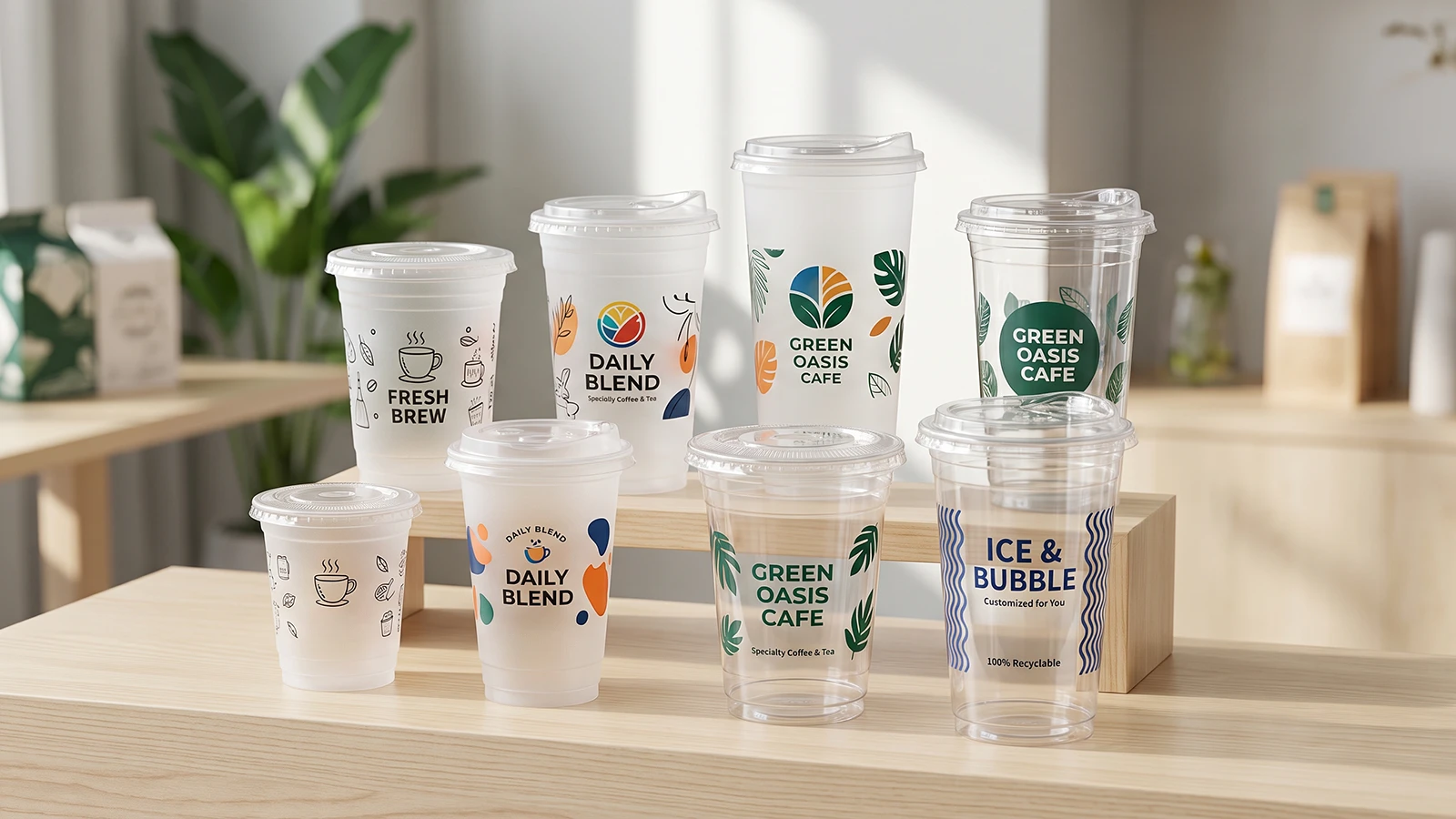
Lid decisions and cup decisions belong in the same conversation. When both components come from one production system, rim tolerances stay consistent across batches, and your SKU list stays short. Buyers evaluating a wholesale cups with lids program should review the available cup diameters and matching lid options first, then request fit samples for the specific drink types on their menu. Suppliers offering free samples and documented food-grade certifications make this validation step low-risk.
Frequently Asked Questions
Are flat lids and sip lids interchangeable on the same cup?
Sometimes, but not reliably. Both may fit the same rim diameter, yet sip lids rely on a precise seat around the drinking spout to prevent leaks. Always confirm fit with physical samples rather than assuming diameter compatibility.
Do dome lids really cost more to ship?
Generally yes. Their profile prevents tight nesting, so more cartons and more container volume are needed per 1,000 units compared with flat lids. The exact premium depends on carton design and freight lane, so compare landed cost rather than unit price.
Can I order wholesale cups with lids as a single matched SKU?
Yes, and for high-volume QSRs it is usually the safer route. A supplier producing both components under one quality system can guarantee rim-to-lid compatibility across batches, which is the failure point when the two are sourced separately.
What certification should I ask for when importing lids?
It depends on your destination market. US-bound shipments typically require FDA food-contact compliance documentation; EU markets require food-grade compliance under EU regulations. Ask your supplier to provide test reports per material, not just a generic certificate.
How many lid SKUs should a typical QSR keep in stock?
For most operators, two to three covers the menu: a flat straw-slot lid, a sip lid for hot drinks, and optionally a dome for specialty beverages. Anything beyond that should trace to a specific menu item with enough volume to justify the inventory complexity.