In the competitive world of bakery and confectionery, presentation is just as important as taste. Plastic cake containers have revolutionized how bakeries, pastry shops, and food service businesses present, protect, and transport their delicate creations. This comprehensive guide explores the various types of plastic cake containers, their essential features, and the significant benefits they offer to businesses in the food packaging industry.
Understanding Different Types of Plastic Cake Containers
The effectiveness of cake packaging largely depends on choosing the right material for specific applications. Different types of plastic offer varying levels of clarity, durability, and environmental impact.
PET Containers: The Clear Choice for Cake Display
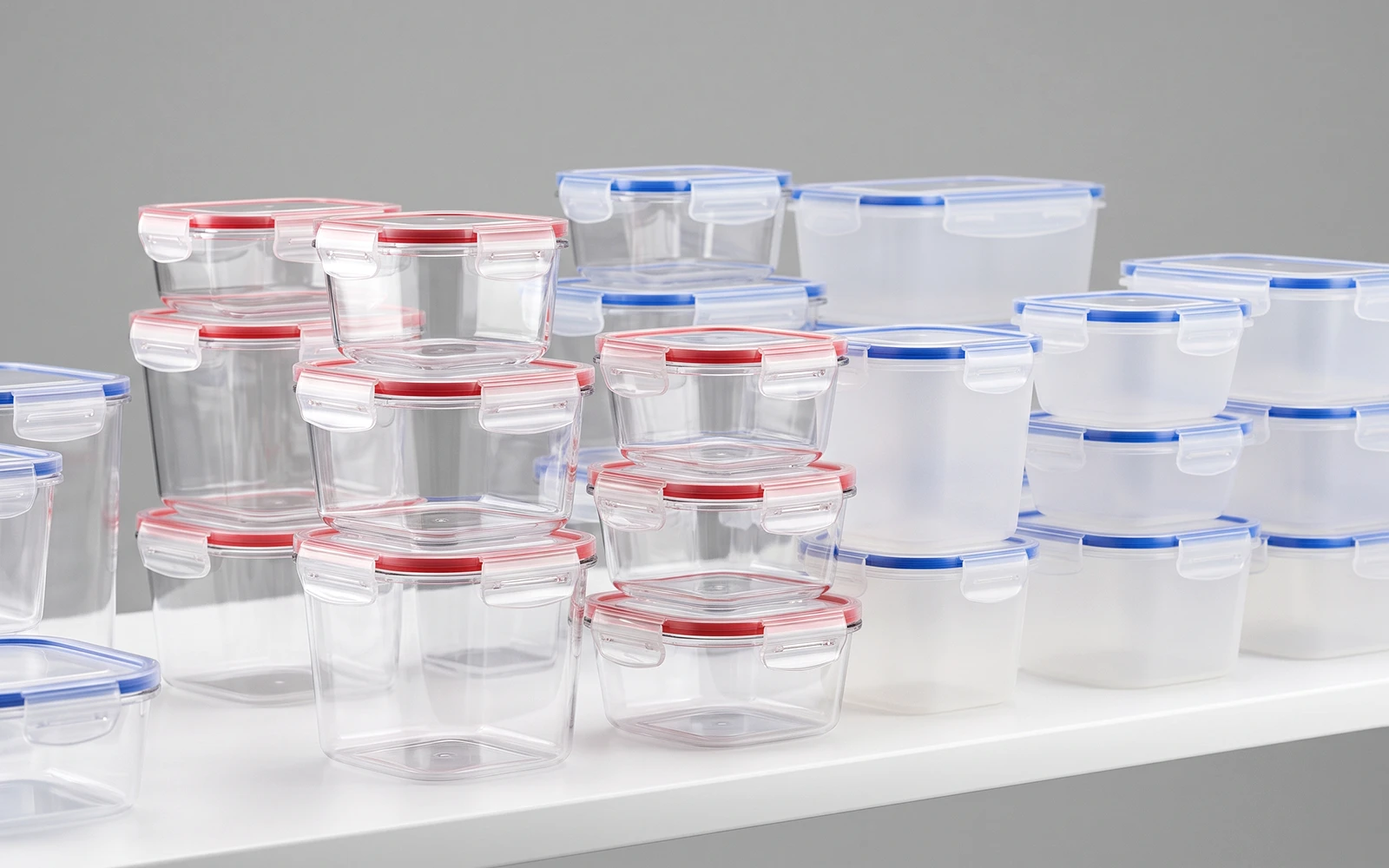
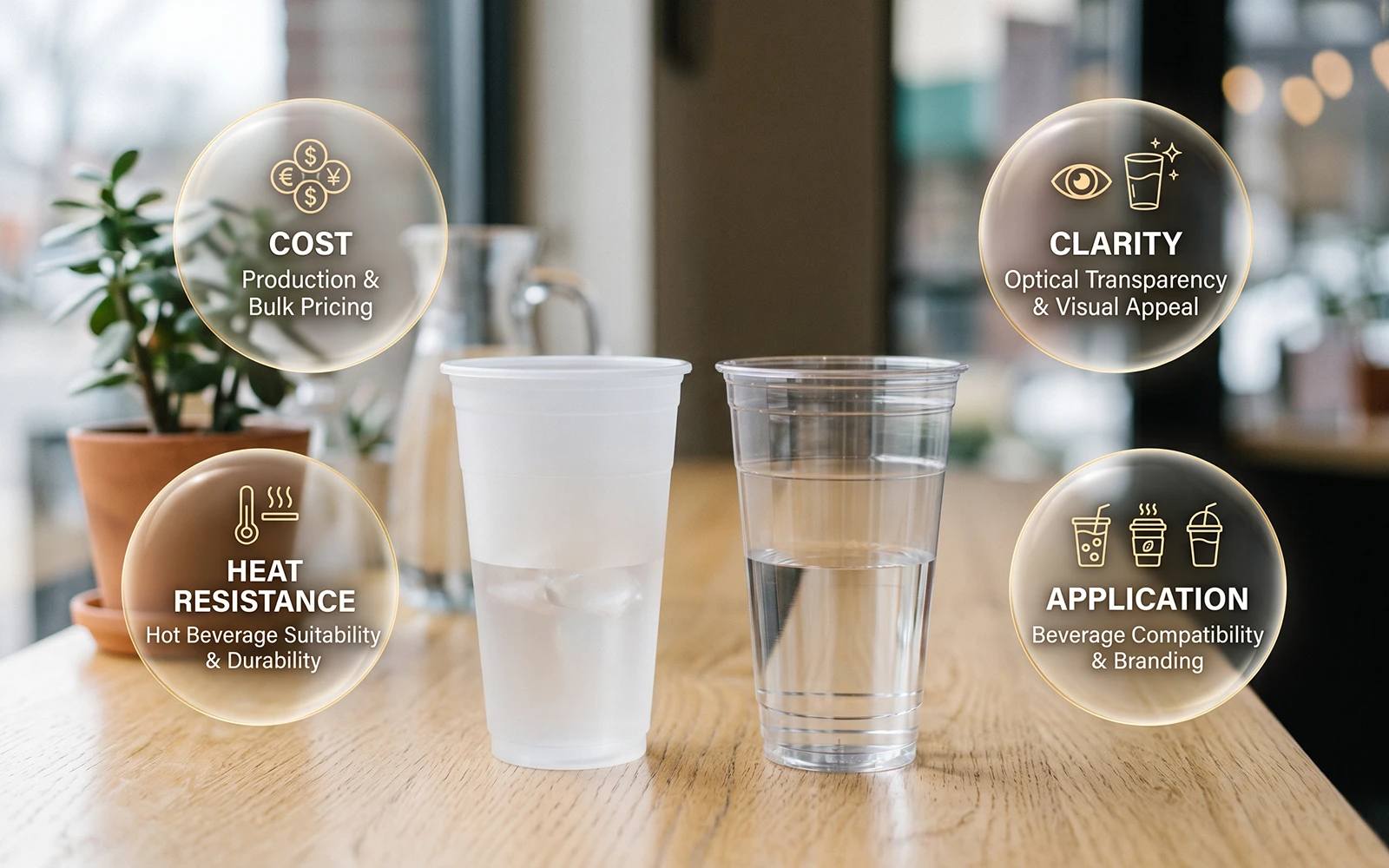
Polyethylene terephthalate (PET) containers have become the gold standard for cake display packaging, particularly when visual presentation is paramount. These containers offer exceptional clarity that rivals glass, allowing customers to appreciate the artistry of decorated cakes without opening the package.
PET’s molecular structure creates a transparent finish that showcases colorful frostings, intricate decorations, and layered designs with remarkable clarity. This visibility factor significantly enhances the marketing appeal of cakes in retail environments.
Beyond aesthetics, PET containers provide excellent barrier properties against moisture and oxygen, helping to maintain cake freshness and prevent drying out. Their lightweight yet robust construction offers good impact resistance, protecting delicate decorations during handling and transportation.
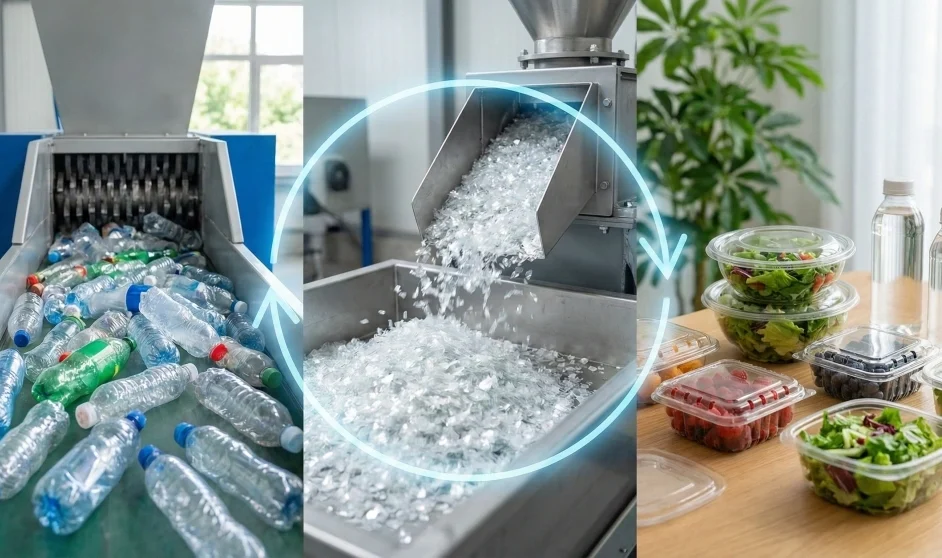
Perhaps most importantly in today’s environmentally conscious market, PET is 100% recyclable. Many manufacturers now offer containers made from recycled PET (RPET), which maintains the same clarity and performance characteristics while reducing environmental impact.
PP Containers: Durability and Heat Resistance
Polypropylene (PP) containers represent another excellent option for cake packaging, particularly when durability and temperature resistance are primary concerns. These containers offer superior strength and resilience, making them ideal for applications where packaging might face more rigorous handling conditions.
The standout feature of PP containers is their exceptional heat resistance, withstanding temperatures up to 120°C (248°F) without deforming. This characteristic makes them particularly valuable for hot-filled applications or situations where cakes might be briefly reheated in the container.
While not as crystal clear as PET, high-quality PP containers offer good transparency that can be enhanced with anti-fog properties to prevent condensation from obscuring the view of the cake. The material’s natural flexibility also provides excellent crack resistance, reducing the risk of packaging failure during transportation.
Eco-Friendly Options: RPET and Biodegradable Alternatives
As environmental concerns continue to influence consumer preferences and regulatory landscapes, eco-friendly plastic cake container options have emerged as important alternatives to conventional packaging.
Recycled PET (RPET) containers represent a significant advancement in sustainable packaging. Made from post-consumer recycled plastic, these containers give new life to materials that might otherwise end up in landfills. Modern manufacturing techniques have overcome previous limitations, allowing RPET containers to maintain clarity and performance comparable to virgin PET.
Biodegradable PLA (polylactic acid) containers represent another frontier in sustainable cake packaging. Derived from renewable resources like corn starch or sugarcane, PLA offers a compostable alternative to petroleum-based plastics. These containers break down under commercial composting conditions, reducing long-term environmental impact.
Essential Features of High-Quality Plastic Cake Containers
Beyond material considerations, specific design features significantly impact the functionality and effectiveness of plastic cake containers.
Transparent Dome Designs for Optimal Visibility
The transparent dome design has become a defining feature of premium plastic cake containers, transforming packaging from mere protection to an integral part of product presentation. These elevated, clear covers serve multiple functions that benefit both businesses and consumers.
First and foremost, transparent domes create a showcase effect, allowing the cake to be fully visible from all angles without opening the container. This visibility is invaluable in retail environments, where customers can appreciate decorative details, frosting techniques, and cake architecture before making a purchase decision.
The height of the dome is a critical consideration, particularly for elaborately decorated cakes. High-profile domes provide adequate clearance for tall decorations, piped flowers, figurines, or multi-tiered designs without risk of damage.
Advanced dome designs incorporate anti-fog properties that prevent condensation from forming on the interior surface, which could otherwise obscure the view of the cake and create an unappealing appearance.
Secure Locking Mechanisms for Safe Transportation
The interface between the container base and lid represents a critical design element that determines how effectively the packaging protects its contents during movement and handling. Sophisticated locking mechanisms have evolved to address the unique challenges of transporting delicate baked goods.
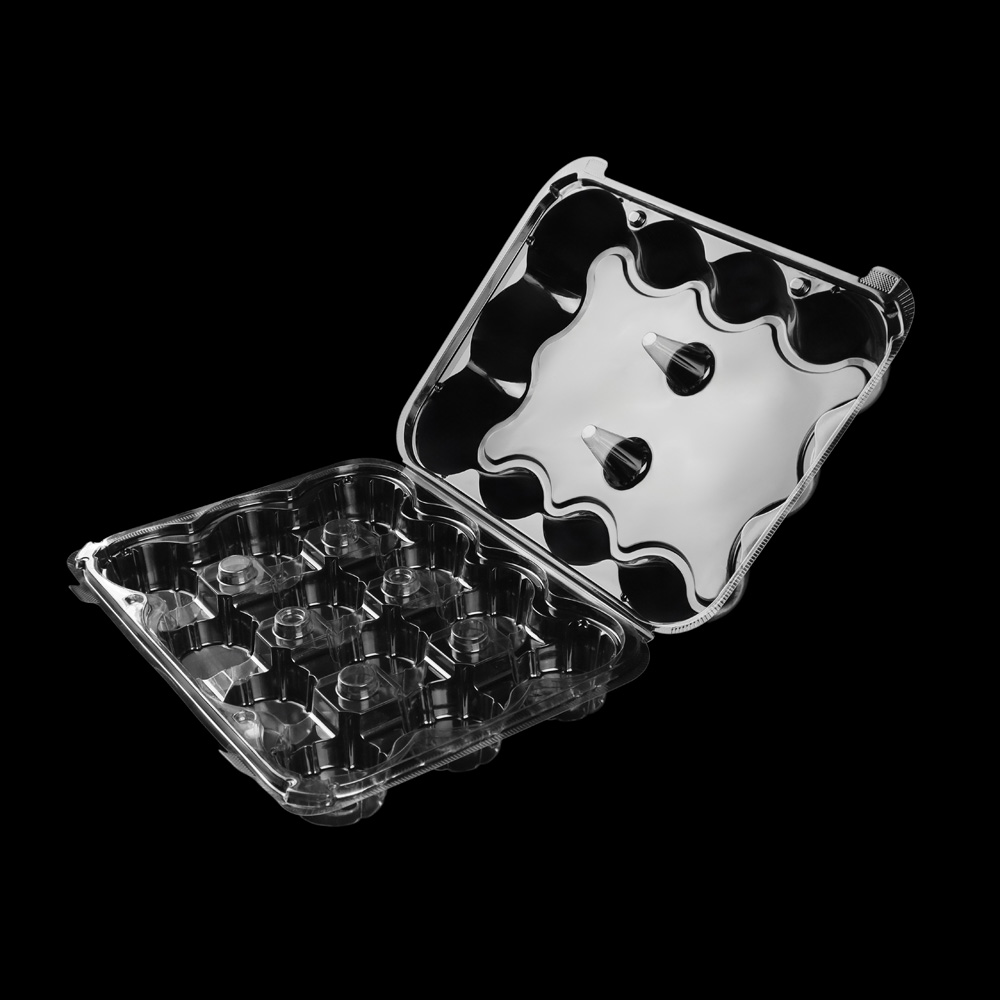
Snap-lock systems create an audible and tactile confirmation of secure closure, giving both staff and customers confidence that the container is properly sealed. These mechanisms typically feature interlocking ridges or channels that create a tight connection between base and lid, preventing accidental opening during transit.
The most effective designs balance security with ease of use, allowing the container to be opened without excessive force that might damage the cake inside. This consideration is particularly important for elderly consumers or those with limited hand strength, ensuring accessibility for all users.
For bakeries offering delivery services or shipping cakes to distant locations, tamper-evident locking features provide additional security and quality assurance. These designs show visible evidence if the container has been opened, giving customers confidence that their cake has remained untouched from bakery to table.
Stackable Designs for Efficient Storage
In commercial bakery operations, where space efficiency directly impacts operational costs, stackable container designs offer significant advantages throughout the supply chain. These thoughtfully engineered solutions maximize storage capacity while protecting product integrity.
Effective stackable designs incorporate reinforced corners and weight distribution features that allow containers to be securely stacked without transferring pressure to the cakes inside. This structural integrity prevents crushing or deformation even when multiple containers are stacked during storage or delivery.
Nesting capabilities, where empty containers fit compactly inside one another, dramatically reduce the storage footprint of packaging inventory. This space efficiency is particularly valuable for bakeries in urban locations with premium real estate costs or those with limited back-of-house storage areas.
Standardized footprints across different container heights create modular systems that simplify inventory management and storage organization. This standardization allows bakeries to stock various container sizes while maintaining efficient storage arrangements and predictable space requirements.
Size Variations to Accommodate Different Cake Dimensions
The diverse world of cake creation demands equally diverse packaging solutions to properly showcase and protect different product formats. Leading manufacturers offer comprehensive size ranges to address this variety.
Standard round containers typically range from 6 inches to 12 inches in diameter, accommodating everything from personal-sized cakes to larger celebration formats. These containers often feature tiered height options within each diameter category to suit different cake heights and decoration styles.
Square and rectangular containers cater to sheet cakes, brownies, and bar-style desserts, with dimensions typically ranging from 8×8 inches to 13×18 inches. These formats often incorporate reinforced corners to protect these vulnerable points from damage during handling.
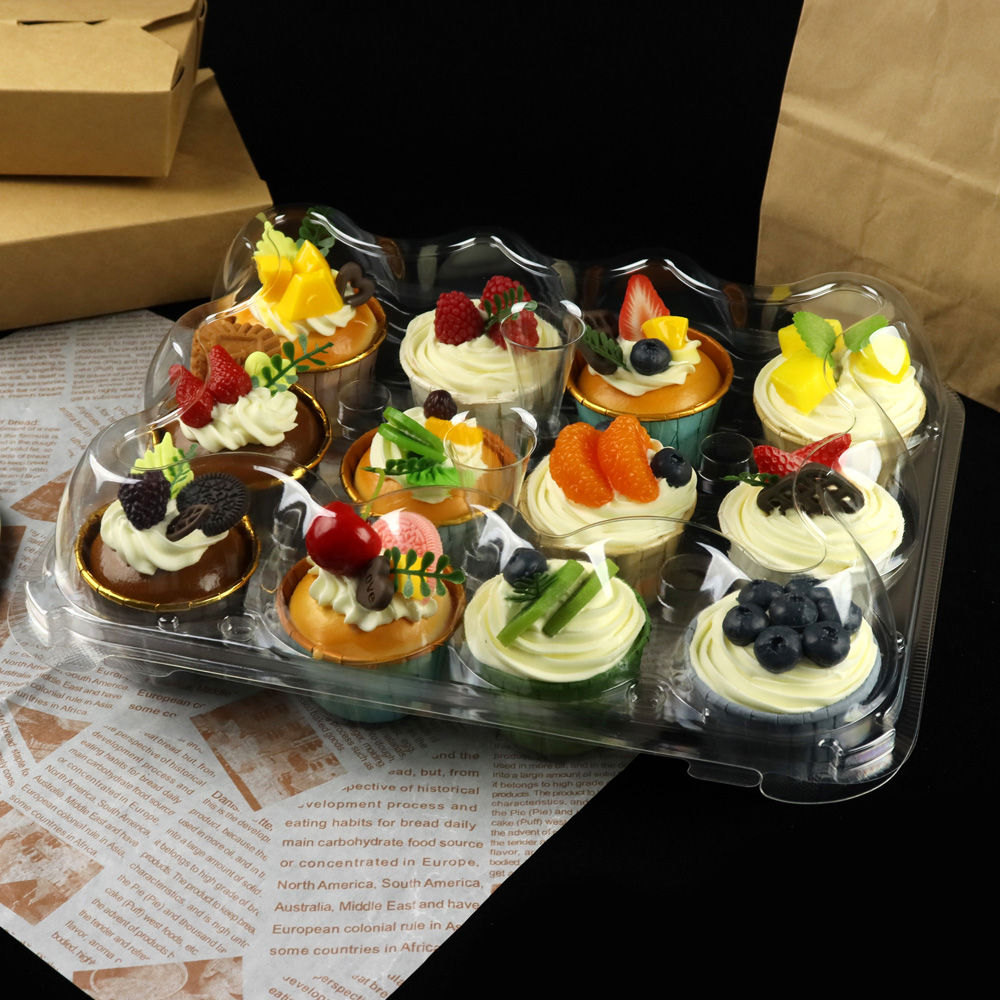
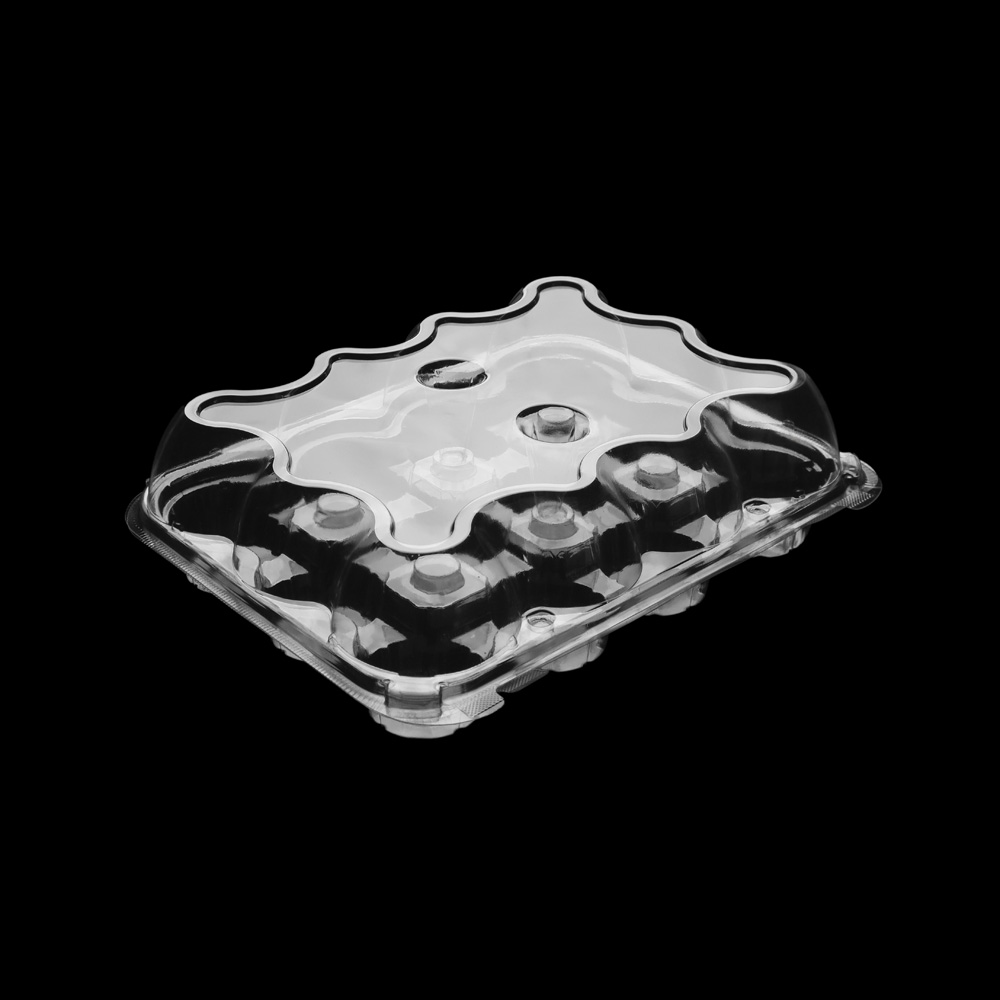
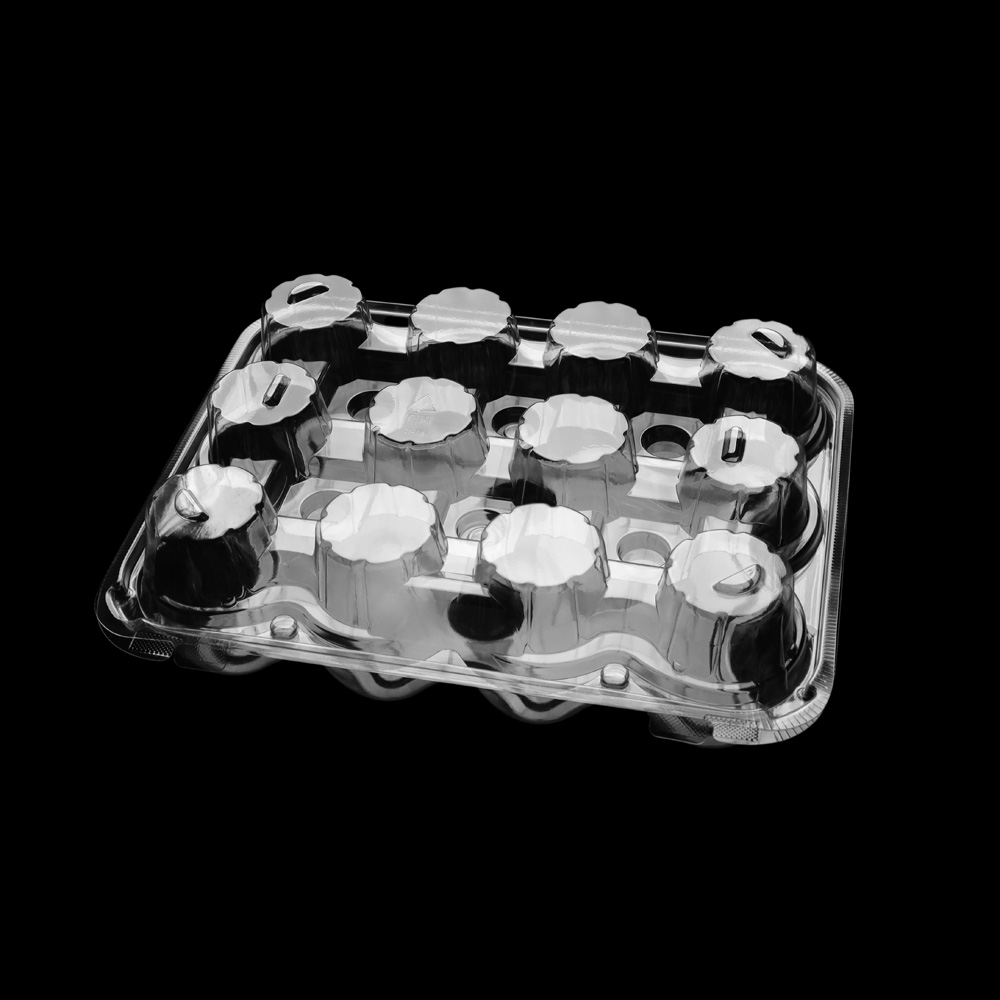
Specialized shapes address unique product formats, including containers designed specifically for cupcakes with individual compartments that prevent movement and protect frosting, and wedge-shaped containers for single slices that maximize visibility while minimizing packaging footprint.
Key Benefits of Quality Plastic Cake Containers
Investing in high-quality plastic cake containers delivers multiple advantages that directly impact business success and customer satisfaction.
Enhanced Product Visibility and Marketing Appeal
The visual presentation of cakes significantly influences consumer purchasing decisions, making the transparency of packaging a critical marketing factor. High-clarity plastic containers transform packaging from mere protection into a powerful marketing tool that showcases the craftsmanship and appeal of the products inside.
In retail environments, where customers often make decisions based on visual appeal, transparent packaging allows cakes to essentially sell themselves. The ability to fully view the product without opening the package creates immediate desire and confidence in the purchase, reducing the hesitation that might occur when the actual appearance of a cake is concealed.
For custom cake businesses, clear packaging provides assurance to customers that their specific design requirements have been met. This visibility builds trust and satisfaction at the moment of delivery or pickup, confirming that the cake matches expectations before the package is even opened.
Social media sharing has become an increasingly important marketing channel for bakeries, with customers frequently posting photos of special occasion cakes. Clear packaging that showcases the cake beautifully increases the likelihood of such sharing, effectively turning customers into brand ambassadors through their social media activity.
Extended Shelf Life and Freshness Preservation
Quality plastic cake containers create controlled microenvironments that significantly extend product freshness and marketable shelf life. This preservation capability delivers both economic and quality benefits throughout the supply chain.
Moisture barrier properties prevent both dehydration and unwanted moisture absorption, maintaining optimal cake texture and preventing common quality issues like dry edges or soggy bases. This protection is particularly valuable for cakes with multiple components of varying moisture content, such as those combining cake layers with mousse, custard, or fresh fruit.
Oxygen barrier characteristics slow the oxidation processes that lead to staleness and flavor degradation, preserving both taste and texture quality for longer periods. This extended freshness allows bakeries to produce more efficiently by extending the viable sales window for their products.
For retail bakeries, extended shelf life translates directly to reduced waste and improved profitability, as fewer products reach their quality expiration before sale. This economic benefit can be substantial, particularly for specialty items with higher ingredient costs and price points.
Contamination protection shields cakes from environmental pollutants, airborne particles, and handling contact that could compromise food safety or aesthetic appeal. This protection is increasingly important to consumers concerned about hygiene and product integrity.
Brand Enhancement and Customer Experience
The quality of packaging directly influences customer perceptions of the product and brand, making premium cake containers an investment in overall brand positioning and customer experience.
Professional presentation through high-quality packaging elevates perceived value, allowing bakeries to command premium pricing appropriate to their product quality. Customers intuitively associate packaging quality with product quality, making the container an important signal of the care and standards applied to the cake itself.
Branding opportunities on plastic cake containers range from simple label application to embossed logos, printed messaging, or color-matched components that reinforce brand identity. These visual elements create consistent recognition across all customer touchpoints, building the brand familiarity that drives repeat business.
The unboxing experience has become an increasingly important aspect of customer satisfaction, particularly for special occasion cakes. Well-designed packaging creates a moment of delight when opened, enhancing the emotional connection to both the product and the brand that provided it.
For gift purchases, where presentation is particularly important, premium packaging reflects positively on both the bakery and the gift-giver. This dual benefit makes quality packaging especially valuable in the gift segment, where the overall impression extends beyond the cake itself to encompass the entire presentation.
Operational Efficiency and Cost Savings
Beyond customer-facing benefits, quality plastic cake containers deliver significant operational advantages that improve efficiency and reduce costs throughout the production and distribution process.
Damage reduction during handling and transportation represents one of the most significant operational benefits of quality packaging. By preventing crushed decorations, shifted layers, or structural failures, proper containers dramatically reduce remake costs, refunds, and reputation damage from damaged products.
Standardization across product lines simplifies training, inventory management, and handling procedures. When staff work with consistent packaging mechanics across different product sizes, they develop procedural muscle memory that increases speed and accuracy while reducing errors.
Efficient storage through nesting and stacking features reduces the space required for packaging inventory and finished products awaiting sale or delivery. This space efficiency can significantly impact operational costs, particularly in locations with premium real estate expenses.
For bakeries offering delivery services, reliable packaging reduces driver return trips and customer disappointment from damaged products. This reliability improves delivery route efficiency while protecting the brand reputation that drives future orders.
Selecting the Right Plastic Cake Containers for Your Business
Choosing the optimal packaging solution requires consideration of your specific product range, business model, and customer expectations.
Assessing Your Specific Packaging Requirements
Before selecting packaging, carefully evaluate the specific needs of your products and operations to ensure optimal performance and value.
Product dimensions and decoration styles should drive container selection, with particular attention to height clearance for decorative elements and adequate base support for the cake’s weight and structure. Measure your standard products and allow appropriate clearance in all dimensions.
Temperature conditions throughout your supply chain impact material selection, particularly if products will experience significant temperature variations during storage, transportation, or display. Consider whether containers need to withstand refrigeration, freezing, or warming.
Handling requirements throughout your distribution process influence durability needs and closure security. Bakeries with extensive delivery services or wholesale distribution typically require more robust packaging than those selling primarily for immediate consumption.
Brand positioning and price points should align with packaging quality and appearance. Premium bakeries serving high-end markets typically benefit from investing in correspondingly premium packaging that reinforces their market positioning.
Environmental considerations may influence material selection, particularly for businesses with sustainability commitments or those serving environmentally conscious market segments. Evaluate whether recycled content, recyclability, or biodegradability aligns with your brand values and customer expectations.
Cost-Benefit Analysis Beyond Price Per Unit
Effective packaging selection requires looking beyond simple unit pricing to consider the total value equation across your entire operation.
Initial purchase cost represents only one component of the total packaging investment. While important for cash flow and immediate budgeting, this factor should be balanced against durability, performance, and marketing benefits that may justify higher unit prices.
Damage reduction value should be quantified when possible, comparing damage rates and associated costs between different packaging options. Premium packaging that reduces product loss by even a small percentage often pays for itself through these savings alone.
Storage efficiency impacts both facility costs and operational convenience. Packaging that occupies less storage space or simplifies inventory management creates ongoing operational savings that may offset higher unit costs.
Marketing and brand value generated by premium packaging can be difficult to quantify precisely but represents significant return on investment. Consider how packaging quality influences customer perception, social media sharing, and overall brand positioning in your market evaluation.
Customer satisfaction and loyalty driven by reliable, attractive packaging translates to repeat business and positive word-of-mouth. This ongoing value stream should factor into packaging investment decisions rather than focusing solely on immediate costs.
Conclusion: Investing in Quality for Long-Term Success
Plastic cake containers represent far more than simple utility packaging—they are strategic tools that influence customer perception, product quality, operational efficiency, and ultimately, business success. By understanding the various types, essential features, and significant benefits these specialized packaging solutions offer, bakeries and food businesses can make informed choices that enhance both immediate presentation and long-term profitability.
The most successful businesses view packaging not as a necessary expense to be minimized but as a value-creating investment that delivers returns across multiple aspects of their operations. This perspective shift transforms packaging decisions from purely operational considerations to strategic choices that directly support business growth objectives and brand positioning.
As consumer expectations continue to evolve and competition in the bakery sector intensifies, the role of quality packaging as a differentiator will only increase in importance. Businesses that recognize and leverage this opportunity position themselves for sustained success in markets where every aspect of the customer experience influences purchasing decisions and brand loyalty.
- Food and Drug Administration – Food Contact Substance Regulations
- Sustainable Packaging Coalition – Design Guidelines
- Plastic Pollution Coalition – Alternatives to Plastic Packaging
- American Bakery Association – Packaging Best Practices