In the fast-paced food service industry, selecting the right disposable salad bowl supplier is crucial for your business’s success. It’s not just about finding a vendor; it’s about partnering with a company that understands your unique needs, upholds quality standards, and contributes to your operational efficiency. This comprehensive guide will walk you through the essential factors to consider, ensuring you make an informed decision that benefits your bottom line and customer satisfaction.
Understanding Your Business Needs
Before you even begin searching for a disposable salad bowl supplier, it’s imperative to have a clear understanding of your own business requirements. This foundational step will guide your selection process and ensure you find a partner that truly aligns with your operational demands.
- Volume and Frequency: How many disposable salad bowls do you use on a daily, weekly, or monthly basis? Do your needs fluctuate seasonally? A supplier capable of handling your current volume and scaling with your growth is essential.
- Salad Bowl Sizes and Shapes: Consider the variety of salads you offer. Do you need different sizes for small, medium, and large portions? Are there specific shapes that best showcase your culinary creations?
- Specific Features: Do your bowls need to be microwave-safe, freezer-safe, or leak-proof? Do you require lids that snap securely or have ventilation options? Identifying these specific features upfront will narrow down your search considerably.
- Target Audience and Brand Image: Your disposable salad bowls are an extension of your brand. Do you cater to an eco-conscious clientele? Is a premium look and feel important for your brand image? These considerations will influence material choices and design.
Quality and Material Considerations
The quality of your disposable salad bowls directly impacts customer satisfaction and the integrity of your food products. Therefore, a thorough evaluation of materials and manufacturing standards is paramount.
- Food-Grade Materials: Ensure that all disposable salad bowls are made from food-grade materials, safe for direct contact with food. This is a non-negotiable requirement for any food business.
- Durability and Strength: The bowls must be sturdy enough to hold your salads without collapsing, leaking, or deforming during transport and consumption. Consider the weight of your ingredients and the typical handling they will endure.
- Temperature Resistance: Depending on your menu, you might need bowls that can withstand various temperatures, from refrigeration to reheating. Verify the material’s suitability for your specific temperature requirements.
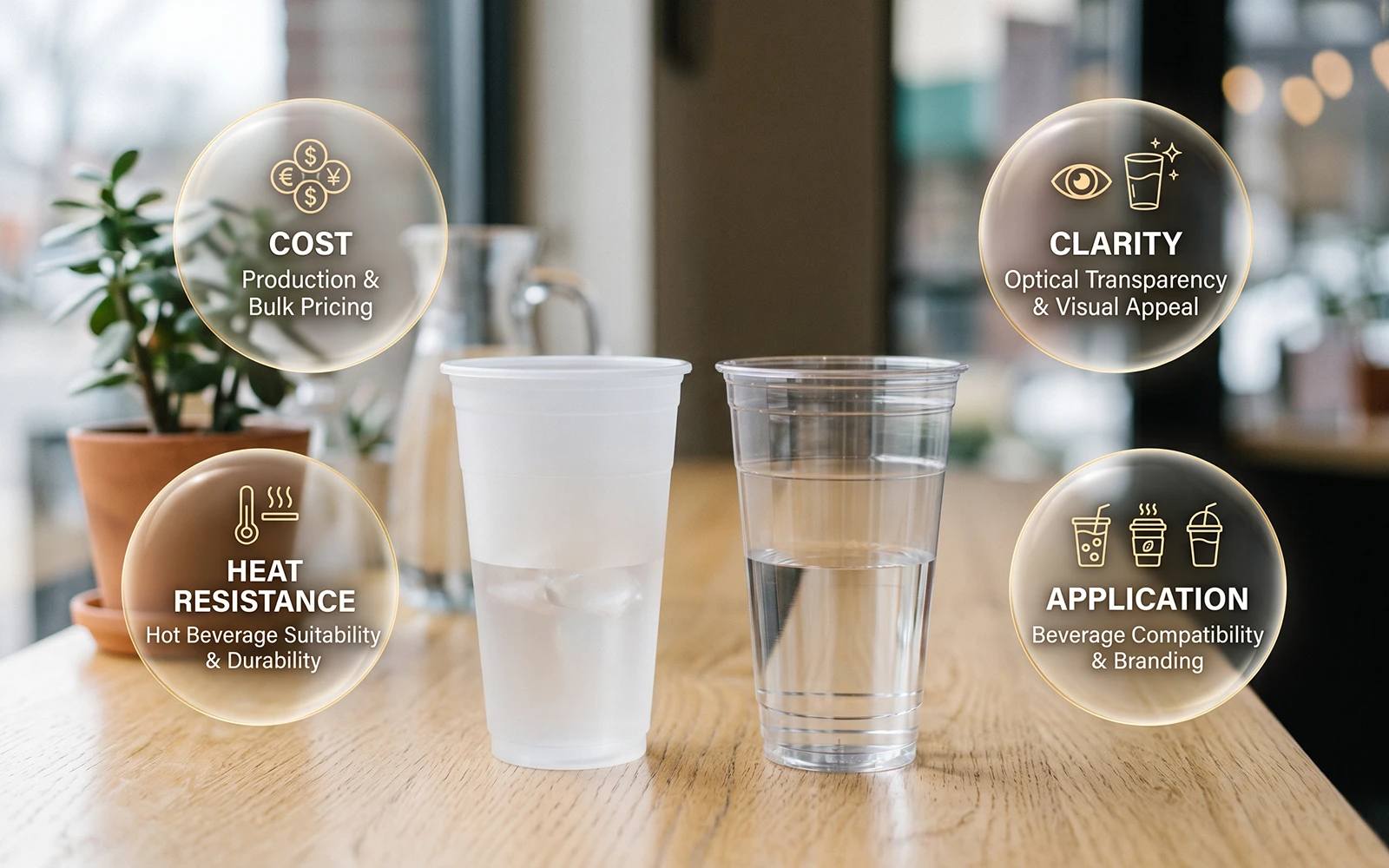
- Material Options: Common materials include PET, PP, PLA, and paperboard. Each has distinct properties regarding clarity, rigidity, heat resistance, and environmental impact. For instance, PET offers excellent clarity, while PP is known for its heat resistance. Paperboard, often lined, provides a more natural feel.
| Material Type | Pros | Cons | Best For |
|---|---|---|---|
| PET (Polyethylene Terephthalate) | High clarity, lightweight, recyclable | Not microwave-safe, less heat resistant | Cold salads, grab-and-go items |
| PP (Polypropylene) | Microwave-safe, good heat resistance, durable | Less clear than PET, can be brittle in cold | Hot foods, reheatable meals |
| PLA (Polylactic Acid) | Biodegradable, compostable (industrial) | Less heat resistant, can be more expensive | Eco-conscious brands, cold applications |
| Paperboard (with lining) | Renewable resource, customizable, sturdy | May require special recycling, not always leak-proof without lining | Various salads, branding opportunities |
Sustainability and Eco-Friendliness
With growing environmental awareness, many businesses and consumers prioritize sustainable packaging. Partnering with a supplier that offers eco-friendly disposable salad bowls can significantly enhance your brand’s appeal.
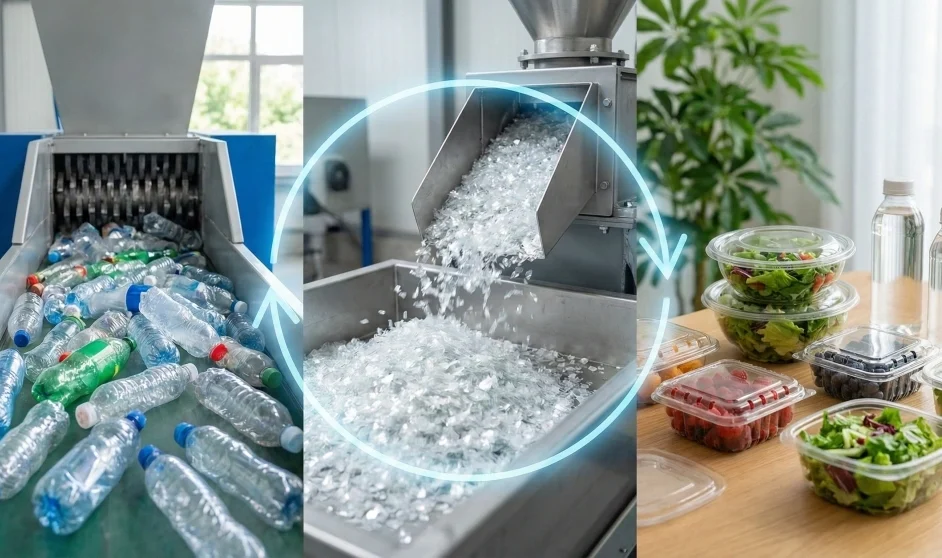
- Recyclable Options: Look for materials that are widely accepted in recycling programs. Clearly communicating the recyclability of your packaging to customers can also be a strong selling point.
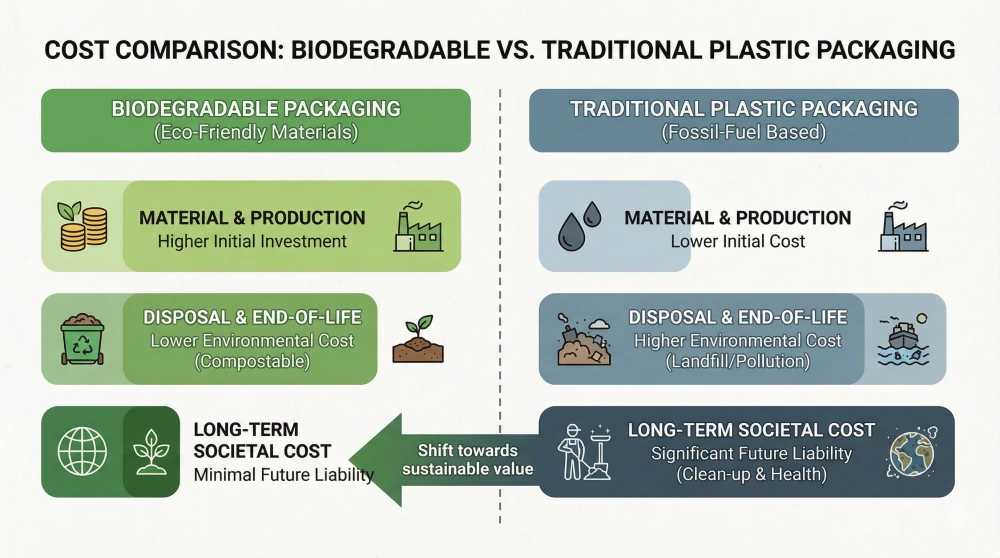
- Compostable and Biodegradable Materials: Explore options like PLA or bagasse (sugarcane fiber) if industrial composting facilities are available in your area. These materials break down naturally, reducing landfill waste.
- Reduced Environmental Footprint: Inquire about the supplier’s manufacturing processes. Do they use renewable energy? Do they minimize waste in their production? A supplier committed to reducing their environmental footprint aligns with responsible business practices.
- Certifications: Look for certifications from reputable organizations that verify the environmental claims of the materials, such as BPI (Biodegradable Products Institute) for compostable products.
Customization Options
Custom branding on your disposable salad bowls can significantly elevate your brand presence and create a memorable customer experience. A good supplier will offer various customization possibilities.
- Logo Printing: The most common form of customization, allowing you to prominently display your brand logo and colors on the bowls and lids.
- Custom Sizes and Shapes: If your menu items require unique packaging dimensions or designs, a supplier offering custom molding or sizing can be invaluable.
- Branded Sleeves or Labels: For a more cost-effective customization, consider branded sleeves or labels that can be applied to generic bowls.
- Material Finishes: Explore different finishes, such as matte or glossy, to further enhance the aesthetic appeal of your disposable salad bowls.
Pricing and Cost-Effectiveness
While quality and sustainability are crucial, the cost of disposable salad bowls will inevitably impact your operational budget. Finding a balance between quality and affordability is key.
- Unit Cost: Obtain clear pricing per unit, including any bulk discounts. Compare unit costs across different suppliers for similar quality and features.
- Shipping Costs: Factor in shipping and delivery charges, especially if the supplier is located far away. These costs can significantly impact the overall price.
- Minimum Order Quantities (MOQs): Understand the supplier’s MOQs. While larger orders often come with lower unit costs, ensure the MOQ aligns with your storage capacity and usage rate.
- Long-Term Value: Consider the long-term value. A slightly more expensive, durable bowl that prevents leaks and enhances customer experience might be more cost-effective than a cheaper, flimsy alternative that leads to complaints or waste.
Supplier Reliability and Reputation
A reliable supplier is a cornerstone of smooth business operations. Their ability to consistently deliver high-quality products on time is critical.
- Track Record: Research the supplier’s history and reputation in the industry. Look for testimonials, case studies, or reviews from other businesses.
- Production Capacity: Ensure the supplier has the production capacity to meet your demands, especially during peak seasons or unexpected surges in orders.
- Lead Times: Understand their typical lead times for orders, from placement to delivery. This will help you manage your inventory effectively and avoid stockouts.
- Emergency Preparedness: Inquire about their contingency plans for unforeseen circumstances, such as material shortages or logistical disruptions.
Logistics and Supply Chain Efficiency
Efficient logistics ensure that your disposable salad bowls arrive when and where you need them, minimizing disruptions to your operations.
- Delivery Options: Discuss their delivery methods, including local delivery, national shipping, or international freight, depending on your location and their capabilities.
- Packaging and Storage: How are the bowls packaged for shipment? Are they protected from damage? Consider your storage space and how the packaging will fit into your existing setup.
- Order Tracking: A supplier that provides robust order tracking allows you to monitor your shipments and anticipate deliveries, improving your inventory management.
- Return Policy: Understand their policy for damaged goods or incorrect orders. A clear and fair return policy is a sign of a customer-focused supplier.
Certifications and Compliance
Adhering to industry standards and regulations is vital for food businesses. Your supplier should be able to provide necessary certifications.
- Food Safety Certifications: Look for certifications like ISO 22000, HACCP, or BRC Global Standards, which demonstrate a commitment to food safety management.
- Material Compliance: Ensure the materials used comply with relevant food contact regulations in your region, such as FDA (Food and Drug Administration) in the US or EU food contact regulations in Europe.
- Quality Management Systems: Suppliers with ISO 9001 certification indicate a robust quality management system, ensuring consistent product quality.
Customer Service and Support
Excellent customer service can make a significant difference in your supplier relationship, especially when issues arise.
- Responsiveness: How quickly do they respond to inquiries, quotes, or concerns? Prompt communication is a hallmark of good service.
- Dedicated Account Manager: A dedicated account manager can provide personalized support and a single point of contact for all your needs.
- Problem Resolution: How do they handle complaints or product issues? A supplier with a clear and efficient problem-resolution process is invaluable.
- Technical Support: Do they offer technical support regarding material properties, usage guidelines, or customization options?
Why Reliancepak is Your Ideal Disposable Salad Bowl Supplier
When it comes to sourcing high-quality disposable salad bowls, Reliancepak stands out as a premier partner for B2B clients worldwide. With a robust manufacturing capability, including 9 production lines, and a strong focus on customer satisfaction, Reliancepak offers a comprehensive solution for your food packaging needs.
Reliancepak understands the nuances of the food service industry and is committed to providing products that meet stringent quality and safety standards. Their extensive product range, including various disposable food containers, ensures you can find the perfect fit for your menu. Furthermore, Reliancepak’s dedication to professional customization allows your brand to shine, offering unique branding opportunities on your disposable salad bowls.
With fast delivery, free samples, and a commitment to environmentally friendly materials, Reliancepak simplifies your procurement process. They hold essential certifications like EU and FDA food-grade certificates, guaranteeing compliance and peace of mind. Partnering with Reliancepak means choosing a reliable supplier that supports your business growth and helps you deliver exceptional experiences to your customers.
Conclusion
Choosing the right disposable salad bowl supplier is a strategic decision that impacts your product quality, operational efficiency, and brand image. By carefully considering factors such as your business needs, material quality, sustainability, customization, pricing, reliability, logistics, certifications, and customer service, you can forge a partnership that contributes significantly to your success. Take the time to research thoroughly, ask the right questions, and select a supplier that truly understands and supports your vision. Your customers, and your bottom line, will thank you for it.
Frequently Asked Questions (FAQs)
Q1: What are the most common materials used for disposable salad bowls?
A1: The most common materials include PET (Polyethylene Terephthalate), PP (Polypropylene), PLA (Polylactic Acid), and paperboard (often with a lining). Each material offers different properties in terms of clarity, durability, heat resistance, and environmental impact.
Q2: How important are food-grade certifications for disposable salad bowls?
A2: Food-grade certifications are extremely important. They ensure that the materials used are safe for direct contact with food and comply with health and safety regulations. Always verify that your supplier provides relevant certifications like FDA or EU food contact compliance.
Q3: Can I get custom branding on my disposable salad bowls?
A3: Yes, many suppliers offer customization options such as logo printing, custom sizes, and branded sleeves or labels. Custom branding helps reinforce your brand identity and enhances the customer experience. Reliancepak, for example, specializes in professional customization.
Q4: What is the typical lead time for ordering disposable salad bowls?
A4: Lead times can vary significantly depending on the supplier, the order volume, and whether customization is involved. It’s crucial to discuss and confirm lead times with your potential supplier to ensure timely delivery and effective inventory management.
Q5: Are eco-friendly disposable salad bowls truly sustainable?
A5: The sustainability of eco-friendly disposable salad bowls depends on the material and the available waste management infrastructure. Recyclable options are sustainable if recycling facilities are accessible. Compostable and biodegradable materials are sustainable if industrial composting facilities are available. Always consider the full lifecycle of the product.
Q6: What should I look for in a reliable disposable salad bowl supplier?
A6: A reliable supplier should have a strong track record, sufficient production capacity, reasonable lead times, and clear communication. They should also have contingency plans for disruptions and offer excellent customer service. Companies like Reliancepak prioritize reliability and customer satisfaction.
Q7: How does Reliancepak ensure the quality of its disposable salad bowls?
A7: Reliancepak ensures quality through stringent manufacturing processes, utilizing 9 production lines, and adhering to international food safety standards. They provide products with EU and FDA food-grade certificates, guaranteeing that their disposable salad bowls are safe and meet high-quality benchmarks.
Q8: What are the benefits of partnering with a supplier like Reliancepak for disposable salad bowls?
A8: Partnering with Reliancepak offers numerous benefits, including access to a wide range of high-quality disposable food containers, professional customization services, fast delivery, free samples, and a commitment to environmentally friendly materials. Their B2B wholesale model and global export experience make them an ideal partner for businesses with packaging procurement needs.