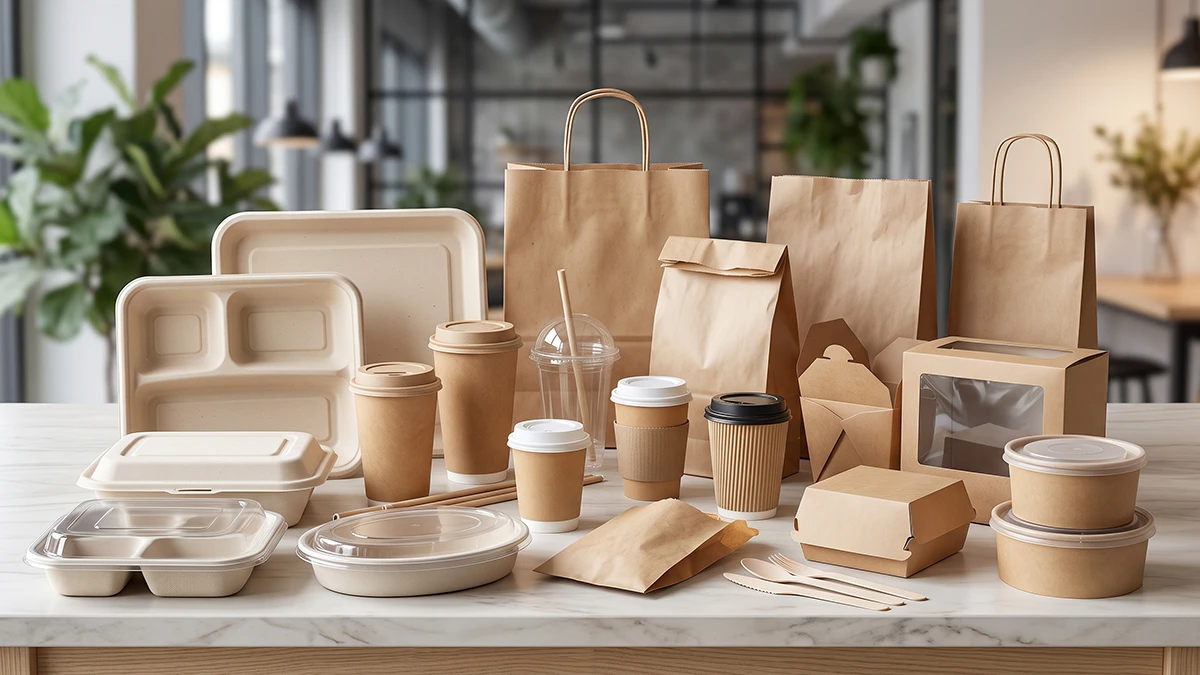
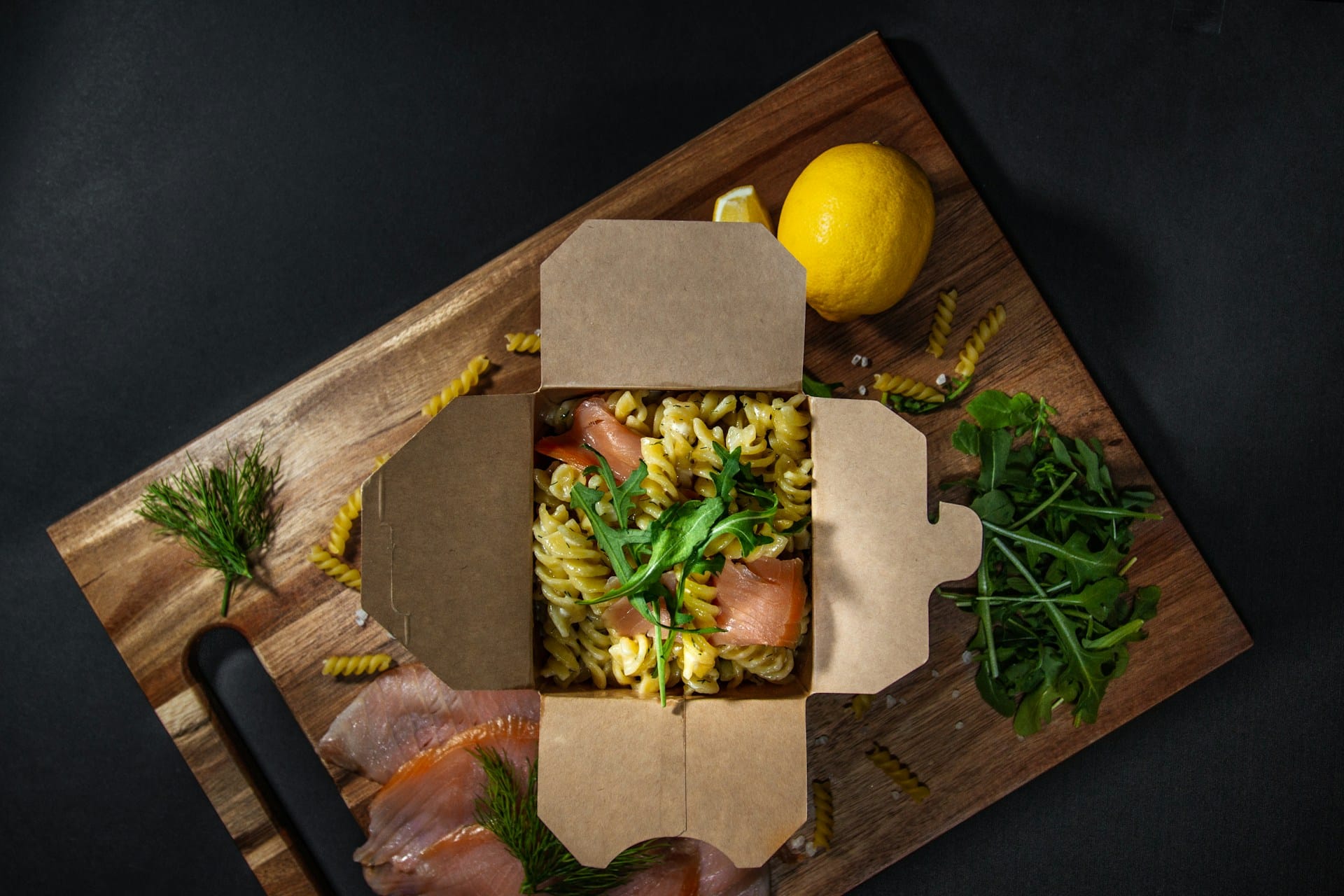
For businesses in the food industry, packaging is more than just a container; it’s a critical component of product integrity, brand presentation, and customer satisfaction. When considering sustainable options like kraft paper boxes, a common question arises: can they truly withstand the demands of heavy or greasy foods? At Reliancepak, we understand these concerns and are here to clarify the capabilities of modern kraft paper packaging. This blog post will explore the inherent strength of kraft paper and how it can be engineered to handle even the most challenging food items.
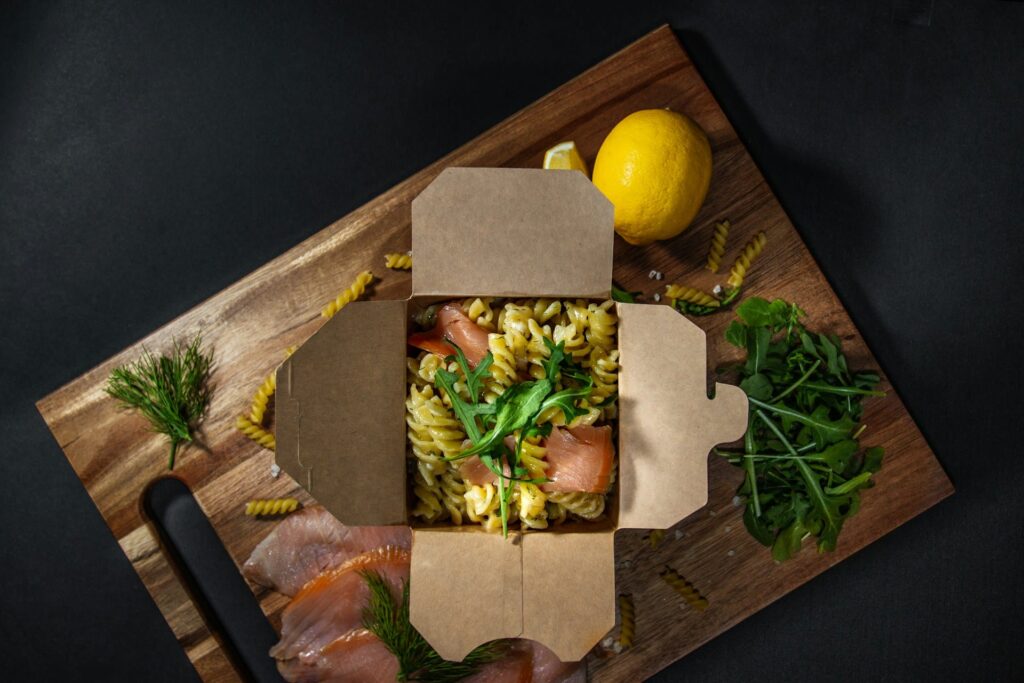
Understanding Kraft Paper’s Inherent Strength
Kraft paper derives its name from the German word for “strength,” a testament to its robust nature. The kraft pulping process, which involves treating wood chips with a chemical solution, produces long, strong cellulose fibers. These fibers interlock tightly during paper formation, resulting in a material with high tensile strength and tear resistance. This inherent durability makes kraft paper an excellent foundation for food packaging.
Factors Contributing to Kraft Paper’s Durability
Several factors contribute to the impressive strength of kraft paper boxes:
- Fiber Length: The kraft process preserves the natural length of wood fibers, leading to a stronger paper structure.
- Lignin Content: Unlike other paper-making processes that remove most lignin, the kraft process retains some, which contributes to the paper’s stiffness and strength.
- Density: Kraft paper is typically denser than other paper types, providing a more compact and resilient material.
Handling Heavy Foods: Structural Integrity
When it comes to heavy food items, the structural integrity of the packaging is paramount. Kraft paper boxes can be designed and manufactured to provide significant load-bearing capacity.
Design and Material Enhancements
To ensure kraft paper boxes are strong enough for heavy foods, manufacturers employ various techniques:
- Increased Grammage (GSM): Using paper with a higher grammage per square meter (GSM) directly translates to a thicker, stronger box.
- Multi-Ply Construction: Boxes can be constructed with multiple layers of kraft paper, similar to corrugated cardboard, to significantly enhance their rigidity and stacking strength.
- Reinforced Corners and Bases: Strategic design elements, such as reinforced corners or double-layered bases, can distribute weight more effectively and prevent bulging or tearing.
For instance, Reliancepak offers kraft paper boxes engineered with optimal material thickness and structural design to securely hold a variety of heavy food products, from bulk pastries to dense meal kits. Our solutions ensure that your products maintain their form and integrity throughout the supply chain.
Tackling Greasy Foods: Grease Resistance Solutions
Greasy foods present a unique challenge for paper packaging, as oils can seep through untreated paper, leading to unsightly stains and compromised structural integrity. However, modern kraft paper boxes are equipped with effective solutions to combat this issue.
Specialized Coatings and Liners
To make kraft paper boxes suitable for greasy foods, manufacturers apply specialized treatments:
- Grease-Resistant Coatings: These coatings, often made from food-grade materials, create a barrier on the paper surface that prevents oil and grease from penetrating. They are typically applied during the manufacturing process.
- Laminated Liners: A thin layer of food-grade film, such as PLA (polylactic acid) or PE (polyethylene), can be laminated to the inside of the kraft paper box. This provides an excellent grease barrier and often adds moisture resistance as well.
- Waxed Paper Inserts: For extremely greasy items, a separate waxed paper insert or liner can be used within the kraft box to provide an additional layer of protection.
These advancements ensure that kraft paper boxes can safely and cleanly package items like fried chicken, pastries, and other oily foods, maintaining a professional appearance and preventing leakage. Reliancepak prioritizes food safety and quality, offering kraft paper solutions with appropriate grease-resistant properties for your specific needs.
Conclusion
Far from being fragile, modern kraft paper boxes are indeed strong enough for both heavy and greasy foods. Through innovative design, material selection, and specialized treatments, they offer robust and reliable packaging solutions that meet the stringent demands of the food industry. Businesses no longer have to compromise on sustainability when choosing packaging for challenging food items.
Reliancepak is committed to providing high-quality, customizable kraft paper boxes that not only protect your products but also align with your environmental goals. Our expertise ensures that you receive packaging perfectly suited for your heavy or greasy food applications, combining strength with eco-friendliness.
FAQs
Q1: How do kraft paper boxes prevent grease from leaking?
A1: Kraft paper boxes designed for greasy foods often feature specialized food-grade grease-resistant coatings or laminated liners that create an effective barrier against oils.
Q2: Can kraft paper boxes be stacked when filled with heavy items?
A2: Yes, with appropriate design and material thickness (e.g., higher GSM or multi-ply construction), kraft paper boxes can be engineered for excellent stacking strength, even with heavy contents.
Q3: Are the grease-resistant coatings on kraft paper boxes safe for food contact?
A3: Absolutely. Reputable manufacturers like Reliancepak use only food-grade, certified coatings and liners that comply with international food safety standards.
Q4: Do kraft paper boxes with grease resistance remain recyclable or compostable?
A4: Many grease-resistant coatings and liners are designed to be recyclable or compostable, though it depends on the specific material used. Always check with your supplier for detailed information on end-of-life options.