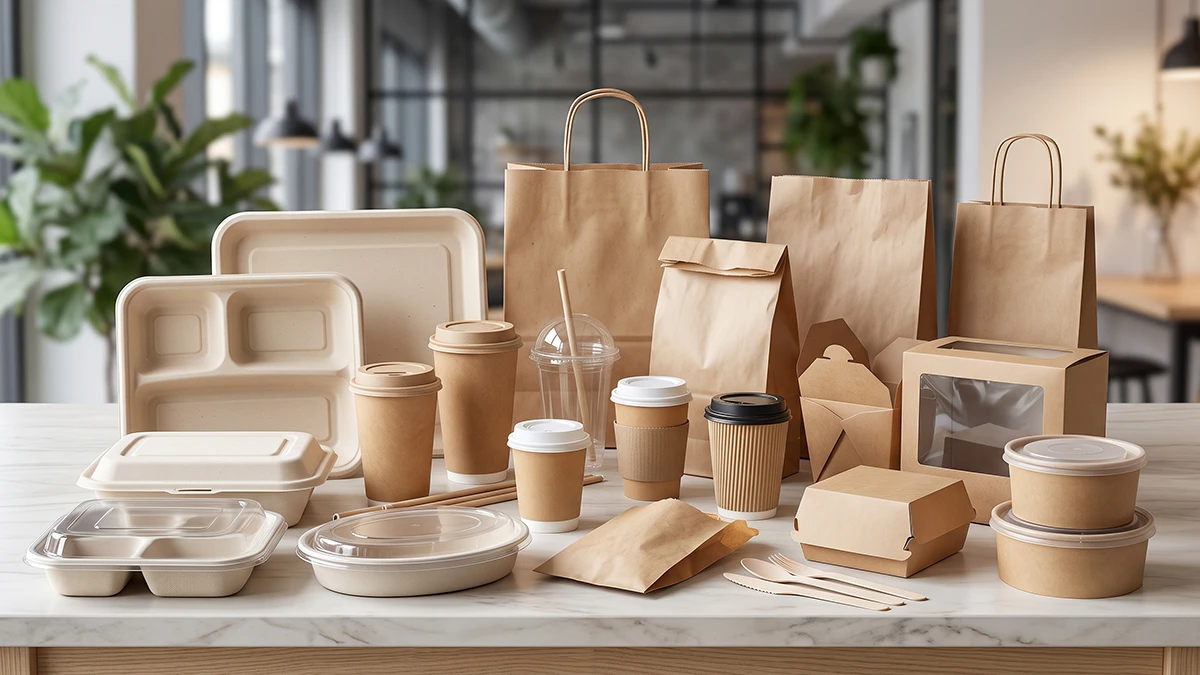

In the dynamic world of food packaging, businesses constantly seek materials that are not only functional and aesthetically pleasing but also safe for consumers and environmentally responsible. Kraft paper boxes have emerged as a popular choice, offering a natural and sturdy alternative to traditional packaging. However, a critical question often arises for B2B clients, particularly those in the food industry: Are kraft paper boxes truly safe for direct food contact? This blog post delves into the science, regulations, and practical considerations surrounding the use of kraft paper for food packaging, ensuring you make informed decisions for your business.

Understanding Food-Grade Kraft Paper
Not all kraft paper is created equal, especially when it comes to food contact. The safety of kraft paper for direct food contact hinges on its ‘food-grade’ designation. Food-grade kraft paper is specifically manufactured to meet stringent safety standards, ensuring that no harmful substances migrate from the packaging to the food it contains. This is a crucial distinction for any business involved in food packaging.
Virgin Fibers: A Foundation of Safety
For direct food contact applications, the use of virgin wood fibers is paramount. Unlike recycled materials, virgin fibers minimize the risk of contamination from unknown sources or residual chemicals that might be present in recycled content. This ensures a clean and pure packaging material that maintains the integrity of your food products. Reputable manufacturers, like Reliancepak, prioritize virgin-grade materials to guarantee the highest level of safety and compliance.
Regulatory Compliance and Certifications
Regulatory bodies worldwide, such as the U.S. Food and Drug Administration (FDA) and the Food Safety and Standards Authority of India (FSSAI), establish strict guidelines for food-contact materials. Food-grade kraft paper must comply with these regulations. Manufacturers often obtain certifications to demonstrate adherence to these standards, providing an extra layer of assurance. These certifications confirm that the paper is hygienic, free from harmful chemicals, and suitable for its intended use. When sourcing kraft paper boxes, always verify these certifications to ensure full compliance and peace of mind.
Practical Considerations for Food Packaging
While food-grade kraft paper is inherently safe, the specific application and the type of food being packaged require careful consideration. Different food items have varying characteristics, such as moisture content, oiliness, and acidity, which can influence the choice of packaging.
Coatings and Barriers for Enhanced Performance
For foods with high moisture or oil content, plain kraft paper may not suffice. In such cases, specialized coatings and barriers are applied to the kraft paper to enhance its performance and maintain food quality. These coatings, often made from food-safe polymers or plant-based materials like PLA (polylactic acid), create a protective layer that prevents grease and moisture from seeping through the packaging. This not only keeps the food fresh but also maintains the structural integrity of the box.
Maintaining Food Quality and Shelf Life
Beyond safety, effective food packaging plays a crucial role in preserving food quality and extending shelf life. Food-grade kraft paper, especially when combined with appropriate barriers, helps to protect food from external contaminants, moisture, and oxygen. This ensures that your products reach consumers in optimal condition, enhancing customer satisfaction and reducing food waste. Reliancepak’s commitment to quality ensures that our kraft paper solutions contribute positively to your product’s freshness and appeal.
Environmental Responsibility and Consumer Perception
Choosing food-grade kraft paper boxes also aligns with growing consumer demand for sustainable and environmentally friendly packaging. Businesses that prioritize eco-conscious materials not only contribute to a healthier planet but also enhance their brand image. Consumers are increasingly aware of the environmental impact of their purchases, and opting for safe, sustainable packaging can be a significant differentiator in a competitive market.
Conclusion
In conclusion, when properly manufactured and certified, kraft paper boxes are indeed a safe and highly effective option for direct food contact. The key lies in selecting food-grade kraft paper from reputable suppliers who adhere to strict regulatory standards and utilize virgin fibers. With appropriate coatings and barriers, these boxes can safely accommodate a wide range of food products, ensuring both food safety and quality. By choosing food-grade kraft paper packaging, businesses can meet their functional needs while also demonstrating a commitment to sustainability and consumer well-being. Reliancepak is dedicated to providing high-quality, food-grade kraft paper boxes that meet international safety standards, helping your business thrive responsibly.
Frequently Asked Questions (FAQs)
Q1: What makes kraft paper food-grade?
A1: Food-grade kraft paper is manufactured from virgin wood fibers and processed to ensure it is free from harmful chemicals and contaminants, meeting strict safety standards set by regulatory bodies like the FDA.
Q2: Can all kraft paper boxes be used for direct food contact?
A2: No, only kraft paper boxes specifically designated as “food-grade” and manufactured under hygienic conditions should be used for direct food contact.
Q3: How do kraft paper boxes handle greasy or moist foods?
A3: For greasy or moist foods, food-grade kraft paper boxes are often treated with specialized coatings or linings (e.g., poly-coated or PLA-lined) to create a barrier that prevents leaks and maintains the box’s integrity.
Q4: Are food-grade kraft paper boxes environmentally friendly?
A4: Yes, when properly sourced and manufactured, food-grade kraft paper boxes are an environmentally friendly choice due to their renewable resource base and often recyclable or compostable properties.
Q5: How can I ensure the kraft paper boxes I purchase are safe?
A5: Always purchase from reputable suppliers who can provide certifications and documentation confirming that their kraft paper boxes meet relevant food safety standards and regulations.