
Sugarcane packaging offers food businesses an eco-friendly alternative to conventional plastics, made from the fibrous byproduct of sugarcane processing called bagasse. This versatile material provides excellent functional properties while significantly reducing environmental impact compared to petroleum-based packaging.
Sugarcane packaging, also known as bagasse packaging, is an eco-friendly food packaging solution made from the dry pulp residue left after extracting juice from sugarcane. This agricultural byproduct transforms into durable, heat-resistant packaging suitable for various food applications. Key benefits include:
- Complete compostability in industrial facilities
- Microwave and freezer-safe properties
- Excellent oil and water resistance
- Reduced carbon footprint compared to conventional plastics
- Versatile applications across food service industries
Sugarcane packaging typically biodegrades within 30-90 days in commercial composting conditions, returning nutrients to the soil without leaving toxic residues.
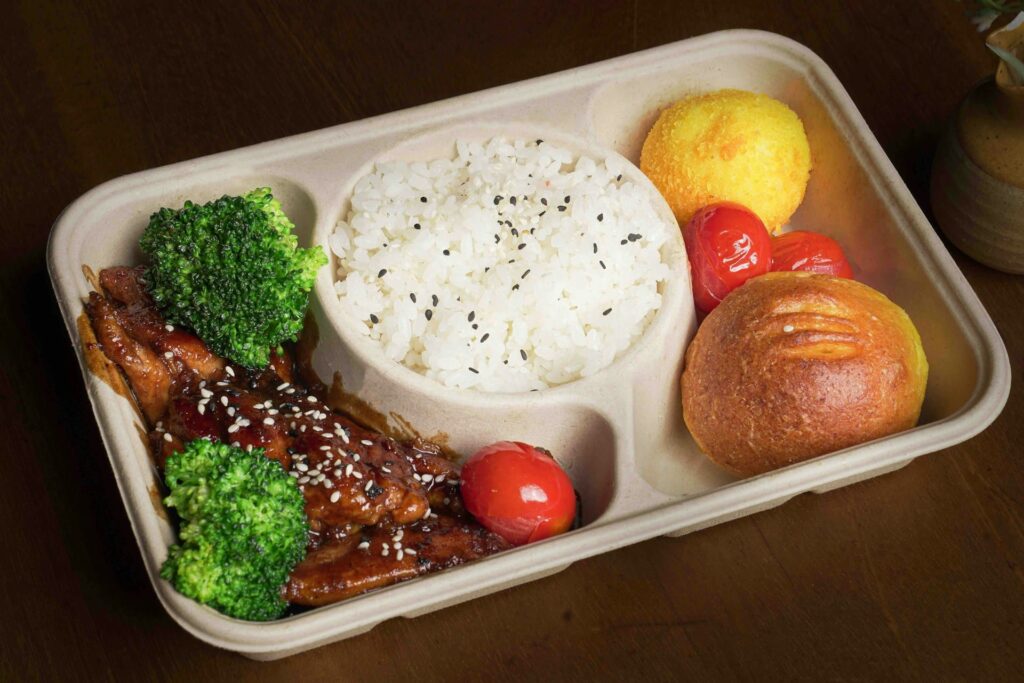
Understanding Sugarcane Packaging
As consumer demand for sustainable packaging continues to grow, food businesses face increasing pressure to adopt environmentally responsible solutions. Sugarcane packaging has emerged as a leading alternative to traditional plastic and Styrofoam containers, offering both functional performance and genuine sustainability credentials.
In this comprehensive guide, we’ll explore everything food business owners need to know about sugarcane packaging – from its manufacturing process and environmental benefits to practical implementation strategies across various food service applications.
What Exactly Is Sugarcane Packaging?
Sugarcane packaging utilizes bagasse, the fibrous material remaining after juice extraction from sugarcane stalks. Rather than treating this agricultural residue as waste, manufacturers process it into various food containers, plates, bowls, and clamshells.
The production begins at sugar mills where cane stalks get crushed to extract sweet juice. The leftover dry pulp, traditionally burned or discarded, now serves as raw material for packaging production. This circular approach adds value to agricultural waste while creating sustainable packaging solutions.
For a detailed exploration of how this transformation occurs, you’ll want to read our dedicated article What Is Sugarcane Packaging and How It’s Made that covers the manufacturing process from field to finished product.
Key Advantages for Food Businesses
Environmental Benefits
Sugarcane packaging significantly reduces environmental impact compared to conventional options. Since it utilizes agricultural byproducts, it doesn’t require additional farmland or compete with food production. The manufacturing process typically consumes less energy and water than plastic or paper production.
The carbon footprint of sugarcane packaging is notably lower than petroleum-based alternatives. Sugarcane plants absorb carbon dioxide as they grow, creating a carbon-neutral cycle when the packaging eventually composts.
Functional Performance
Beyond environmental credentials, sugarcane packaging delivers practical advantages that food businesses require:
- Heat resistance up to 220°F (105°C)
- Microwave and freezer compatibility
- Sturdy construction that prevents leakage
- Natural resistance to oils and grease
- Lightweight yet durable structure
Consumer Appeal
Modern consumers increasingly favor brands that demonstrate environmental responsibility. Using sugarcane packaging communicates your commitment to sustainability, potentially enhancing brand perception and customer loyalty.
Why the Shift Toward Sugarcane Packaging?
The movement toward sugarcane and other plant-based packaging solutions reflects broader changes in both consumer preferences and regulatory environments. Food businesses adopting these materials often report positive customer feedback and improved brand alignment with sustainability values.
In our analysis [Why More Food Brands Are Switching to Sugarcane Packaging], we examine the market forces and consumer trends driving this transition across the food industry.
Comparing Packaging Options
When evaluating packaging materials, food businesses must consider multiple factors including cost, functionality, and environmental impact. The table below compares key characteristics across common packaging types:
| Feature | Sugarcane | Plastic | Paper | PLA |
|---|---|---|---|---|
| Compostable | Yes (industrial) | No | Sometimes | Industrial only |
| Renewable source | Yes | No | Yes | Yes |
| Oil resistance | Excellent | Excellent | Poor | Good |
| Microwave safe | Yes | Varies | No | Limited |
| Cost | Moderate | Low | Moderate | High |
| Carbon footprint | Low | High | Moderate | Low |
For a more detailed comparison, our resource [Sugarcane vs Plastic: What’s the Best Eco-Packaging?] provides comprehensive data on lifetime costs and environmental impacts.
Addressing Biodegradability Questions
One common concern among food business owners involves the actual biodegradability claims associated with sugarcane packaging. Understanding the distinction between industrial composting facilities and home composting is crucial for setting accurate expectations.
Proper disposal infrastructure plays a significant role in realizing the environmental benefits of sugarcane packaging. Our investigation [Is Sugarcane Packaging Truly Biodegradable?] examines the scientific evidence behind decomposition rates and conditions required for optimal breakdown.
Sugarcane Packaging Versus Other Eco-Alternatives
While sugarcane packaging offers numerous advantages, it’s important to understand how it compares to other sustainable packaging options. Each material has distinct characteristics that may better suit specific applications or business requirements.
Sugarcane vs PLA
Polylactic acid (PLA) packaging, typically derived from corn starch, shares some similarities with sugarcane packaging but differs in several key aspects. PLA requires specific composting conditions to break down and may not perform as well with greasy or hot foods.
Our comparative analysis [Comparing Sugarcane Packaging with PLA and Paper] provides detailed information to help you determine which option aligns best with your operational needs and sustainability goals.
Manufacturing Process Insights
Understanding how sugarcane transforms from agricultural residue to food-safe packaging can help businesses appreciate the value and quality of the final product. The manufacturing process involves several stages that clean, pulp, mold, and sterilize the bagasse into various container forms.
The detailed breakdown in [The Manufacturing of Sugarcane Pulp Packaging] explains each production phase, quality control measures, and how different container types get created to meet specific food service requirements.
Industry-Specific Applications
Bakery and Dessert Packaging
Bakeries and dessert shops benefit particularly from sugarcane packaging’s natural aesthetic and functional properties. The material’s rigidity protects delicate pastries while its neutral appearance enhances product presentation.
Specific applications include:
- Cake boxes and pastry containers
- Cupcake carriers with secure fitting lids
- Dessert clamshells with clear viewing windows
- Takeaway boxes for cookies and muffins
Our specialized guide [Sugarcane Packaging Solutions for Bakery and Dessert Shops] explores tailored solutions for different baked goods and confectionery products.
Other Food Service Applications
Beyond bakeries, sugarcane packaging serves various food business types:
- Restaurants for takeout and delivery
- Food trucks and casual dining establishments
- Catering companies for event service
- Grocery stores for prepared foods
- Meal kit delivery services
Debunking Common Misconceptions
Despite growing popularity, several misconceptions about sugarcane packaging persist within the food industry. Addressing these misunderstandings helps businesses make informed decisions based on factual information rather than myths.
Some frequent misconceptions include:
- Sugarcane packaging contributes to deforestation
- Production displaces food crops
- Containers lack durability compared to plastic
- The material becomes soggy quickly
- Cost prohibitive for small businesses
We systematically address these and other myths in [Common Misconceptions About Sugarcane Packaging], providing evidence-based clarification to guide your packaging decisions.
Implementing Sugarcane Packaging in Your Business
Transitioning from conventional packaging to sugarcane alternatives requires thoughtful planning and execution. A phased approach typically delivers the best results while minimizing operational disruption.
Key implementation steps include:
- Assessing current packaging usage and identifying replacement opportunities
- Researching reliable suppliers with quality certification
- Conducting practical testing with your specific food items
- Training staff on proper use and disposal information
- Communicating the change to customers effectively
For a structured transition plan, our [Transitioning from Plastic to Sugarcane Packaging] provides a detailed roadmap from initial assessment to full implementation.
Cost Considerations and ROI
While sugarcane packaging often carries a higher upfront cost than conventional plastics, many businesses find the long-term benefits justify the investment. Potential returns extend beyond direct financial measures to include brand enhancement and customer loyalty.
Factors influencing total cost include:
- Order volume and frequency
- Container type and customization
- Shipping distances
- Supplier relationships
- Potential waste management savings
Sourcing and Quality Assurance
Identifying reliable suppliers ensures consistent quality and dependable delivery schedules. Look for manufacturers with appropriate food safety certifications and transparent information about their raw material sources and production standards.
Quality indicators to evaluate include:
- Consistency in color and texture
- Proper molding without thin spots
- Secure-fitting lids
- Absence of odd odors
- Clear certification markings
Future Trends in Sustainable Packaging
The sustainable packaging landscape continues to evolve with technological advancements and changing regulations. Sugarcane packaging represents one segment of this broader movement toward circular economy principles in food service.
Emerging developments include:
- Enhanced waterproof coatings from natural sources
- Hybrid materials combining different plant fibers
- Improved supply chain transparency through blockchain
- Localized production to reduce transportation emissions
- Advanced composting infrastructure development
Conclusion
Sugarcane packaging offers food businesses a practical, environmentally responsible alternative to conventional packaging materials. With excellent functional properties, growing consumer appeal, and genuine sustainability credentials, it represents a viable solution for forward-thinking food establishments.
By understanding the material’s characteristics, implementation requirements, and business benefits, you can make an informed decision about incorporating sugarcane packaging into your operations. The transition supports both environmental goals and potential business growth through enhanced brand perception and customer satisfaction.
As with any significant operational change, starting with a pilot program allows for practical testing and adjustment before full-scale implementation. This measured approach helps ensure a smooth transition that aligns with your specific business needs and customer expectations.
FAQs
How long does sugarcane packaging take to decompose?
In commercial composting facilities, sugarcane packaging typically breaks down within 30-90 days, depending on specific conditions like temperature, moisture, and microbial activity.
Can customers compost sugarcane packaging at home?
While technically compostable, home composting may take significantly longer than industrial facilities. We recommend directing customers to commercial composting when available.
Is sugarcane packaging safe for hot foods?
Yes, most sugarcane packaging withstands temperatures up to 220°F (105°C), making it suitable for hot foods, though extended exposure to excessive heat may affect durability.
Does sugarcane packaging affect food taste?
No, quality sugarcane packaging is odorless and tasteless, preserving the natural flavor of your food products without transferring any unwanted tastes.
How does the cost compare to traditional plastic packaging?
Sugarcane packaging typically costs 20-40% more than conventional plastic options, though prices continue to decrease as production scales increase.
Are there limitations to what foods can be packaged in sugarcane containers?
While suitable for most applications, extremely liquid-based foods might eventually permeate the material over extended periods. Most standard takeaway uses work perfectly.