
The supply chain is crucial to ensuring products reach consumers efficiently, yet packaging often poses significant environmental and logistical challenges. Traditional packaging materials are resource-heavy and contribute to waste. Sugar cane packaging manufacturers are changing the landscape by offering eco-friendly, cost-effective alternatives. Continue reading to discover how these solutions are reshaping the global supply chain.
Sugar cane packaging manufacturers play a vital role in modern supply chains by providing sustainable packaging solutions that reduce waste and carbon footprints. Their eco-friendly alternatives help businesses meet sustainability goals while ensuring products reach consumers safely and efficiently. These innovations are transforming industries and driving the shift toward greener packaging practices.
Learn how sugar cane packaging manufacturers influence everything from production costs to sustainability goals, offering an innovative solution for modern supply chains.
In today’s fast-paced and highly competitive global marketplace, businesses and consumers are becoming increasingly aware of the environmental impact of packaging. Traditional packaging materials like plastic and Styrofoam are non-biodegradable and contribute significantly to pollution. As sustainability becomes a top priority, sugar cane packaging manufacturers have emerged as key players in transforming the way products are packaged, distributed, and consumed.
The Problem: The Environmental Impact of Traditional Packaging
For years, industries worldwide have relied on plastic, Styrofoam, and other non-recyclable materials to package products, ranging from food to electronics. These materials are not only resource-intensive to produce but also lead to significant environmental pollution. According to environmental studies, plastic waste alone accounts for millions of tons of waste each year, often finding its way into oceans, harming marine life, and polluting landscapes.
Moreover, packaging waste increases logistical costs, especially for products that require special handling, such as fresh produce, perishable goods, and fragile items. Packaging that is not properly insulated or protected can result in product damage, spoilage, or contamination, leading to losses in revenue and consumer trust.
The Solution: Sugar Cane Packaging and Its Role in Supply Chains
Sugar cane packaging offers an innovative solution to these issues. Derived from the byproducts of the sugar cane industry, particularly bagasse (the fibrous material left after juice extraction), sugar cane-based packaging is biodegradable, sustainable, and cost-effective. This material not only reduces the need for plastic and Styrofoam but also supports circular economies by using agricultural waste to create useful products.
Sugar cane packaging manufacturers are able to create a variety of products, including food containers, trays, plates, and wraps, all designed to provide the same level of performance and protection as traditional packaging materials. Here’s how these manufacturers are revolutionizing the supply chain:
1. Sustainability Benefits
One of the most compelling advantages of sugar cane packaging is its biodegradability. Unlike plastic or Styrofoam, which can take hundreds of years to decompose, sugar cane packaging breaks down naturally in a relatively short period. This helps reduce waste, lessen landfill pressures, and support eco-friendly initiatives.
Additionally, the production of sugar cane packaging requires fewer resources and less energy compared to traditional packaging. The use of bagasse, which would otherwise be discarded as waste, ensures that this packaging is both a cost-effective and environmentally responsible option.
2. Cost-Effectiveness and Efficiency
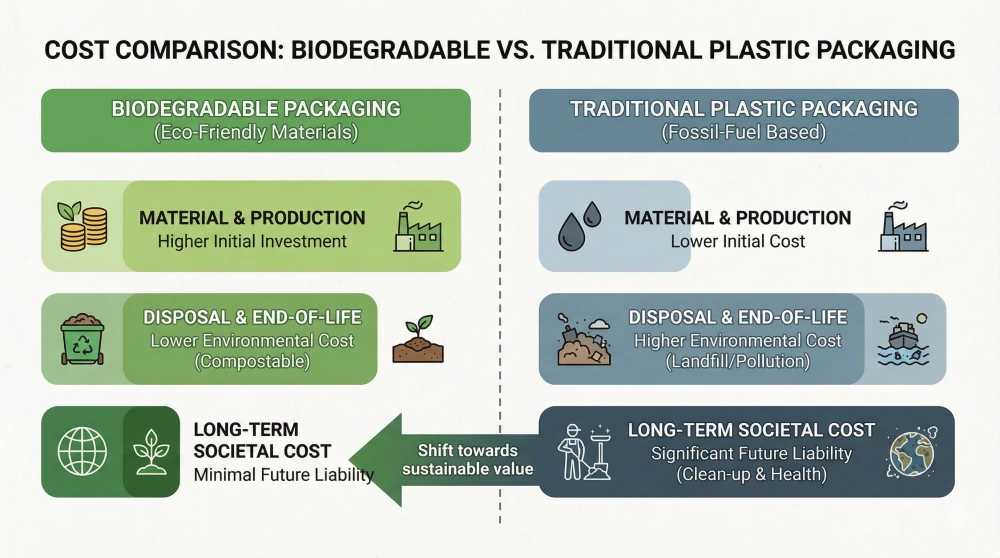
While the environmental benefits are evident, sugar cane packaging also offers financial advantages for manufacturers. The low cost of raw materials (bagasse) and the ease of production lead to lower overall packaging costs. This can be especially beneficial for businesses looking to reduce their operational expenses while still meeting sustainability targets.
Moreover, sugar cane packaging is lightweight, which can reduce transportation costs. Since it is biodegradable, businesses may also avoid the need for special recycling programs or waste management services that are often required for plastic or other non-degradable materials. These efficiencies make sugar cane packaging a practical and budget-friendly alternative for industries looking to streamline their operations.
3. Enhanced Product Protection and Versatility
Sugar cane packaging is not only sustainable but also highly functional. It can be molded into a wide variety of shapes and sizes, making it suitable for various products, from takeout containers to delicate electronics packaging. For the food industry, sugar cane packaging helps maintain food integrity by being resistant to moisture, grease, and oil. Its insulating properties make it ideal for keeping food at the right temperature, which is especially important for takeaway meals, fresh produce, and snacks.
For industries outside of food, sugar cane packaging offers comparable protection for items like cosmetics, pharmaceuticals, and electronics. This versatility allows manufacturers to use the same packaging material across multiple sectors, simplifying the supply chain and reducing inventory complexity.
4. Supporting the Global Move Toward Circular Economies
Sugar cane packaging plays a key role in advancing circular economies. By utilizing agricultural waste to produce packaging, manufacturers are reducing the need for virgin materials and minimizing waste. In a circular economy, products and materials are reused, repaired, or recycled to extend their life cycle, helping create a more sustainable and resource-efficient supply chain. Sugar cane-based packaging supports this model by being biodegradable and compostable, ensuring that packaging materials do not linger in landfills or oceans.
5. Compliance with Environmental Regulations and Consumer Demand
As governments worldwide impose stricter regulations on waste management and carbon emissions, businesses must comply with these requirements to avoid penalties and reputational damage. Sugar cane packaging provides an easy solution to meet environmental standards. Furthermore, there is growing consumer demand for sustainable products and packaging, with many consumers actively choosing brands that demonstrate a commitment to environmental responsibility. By adopting sugar cane packaging, businesses can not only comply with regulations but also improve their brand image and attract environmentally conscious consumers.
Conclusion: A Game-Changer in the Supply Chain
Sugar cane packaging manufacturers are playing a pivotal role in reshaping modern supply chains. Their products offer a sustainable, cost-effective, and efficient alternative to traditional packaging materials. With the global focus on reducing waste and improving environmental stewardship, sugar cane-based packaging is quickly becoming a go-to choice for companies looking to enhance their sustainability efforts while maintaining product quality and cost-effectiveness.
As more industries adopt these eco-friendly packaging solutions, the role of sugar cane packaging manufacturers will only continue to grow. They are integral to building a circular economy and advancing sustainability initiatives across the supply chain, making them an essential partner for businesses striving to meet both regulatory requirements and consumer expectations.
Sugar cane packaging manufacturers are revolutionizing supply chains by offering sustainable, cost-effective solutions that improve efficiency and reduce waste.