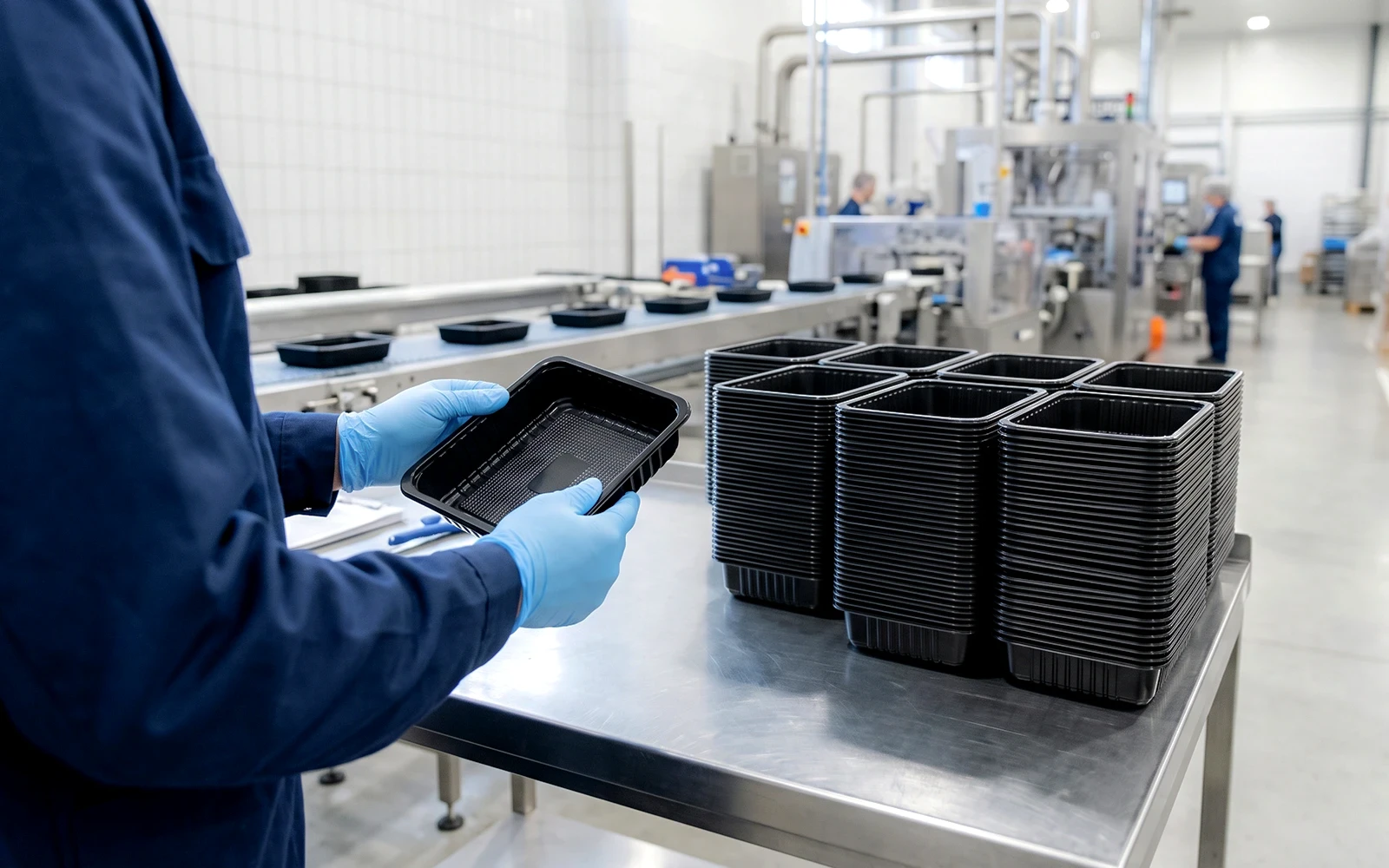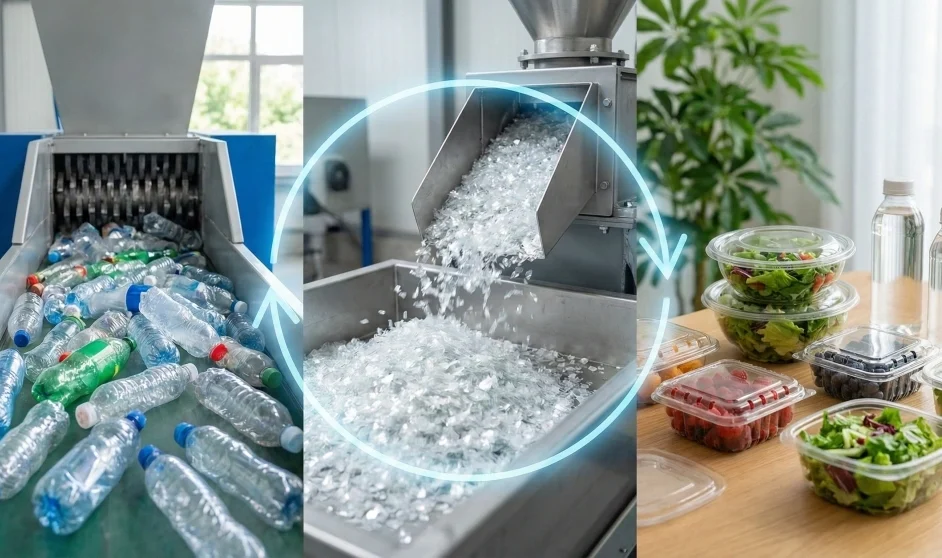

Plastic packaging is one of the leading contributors to environmental pollution, especially in the food industry. Biodegradable materials provide a sustainable solution to reduce waste, protect ecosystems, and promote a greener future.
Biodegradable materials in food packaging are an eco-friendly alternative to traditional plastics. These materials decompose naturally, reducing pollution and supporting sustainability efforts. Discover how they transform the food packaging industry.
Learn how biodegradable materials can reduce the environmental impact of food packaging, enhance sustainability, and benefit businesses and consumers alike in this growing green revolution.
The Environmental Pain Points: The Plastic Packaging Crisis
Plastic packaging has long been a staple of the food industry, providing convenience, durability, and cost-effectiveness. However, its widespread use has caused severe environmental issues. Non-biodegradable plastic waste is a significant source of pollution, accumulating in landfills and oceans, and taking hundreds of years to break down. This plastic waste not only affects the environment but also threatens wildlife, as animals often mistake plastic for food, leading to injuries or death.
The consequences of plastic pollution are becoming increasingly evident: rising levels of waste, damage to ecosystems, and pollution of our oceans and waterways. As society becomes more aware of the urgency of addressing these environmental challenges, industries are under growing pressure to find sustainable alternatives. In the food sector, the need for environmentally friendly packaging solutions is paramount, as food-related waste contributes significantly to overall plastic pollution.
The Solution: Biodegradable Materials in Food Packaging
Biodegradable food packaging offers an effective and sustainable alternative to traditional plastic packaging. Made from renewable resources such as plant-based materials (e.g., corn starch, bagasse, and bamboo), biodegradable packaging decomposes naturally without leaving harmful residues. This process ensures that food packaging does not linger in landfills or oceans for centuries, significantly reducing its environmental footprint.
Biodegradable materials not only protect the environment but also offer several practical advantages for the food industry. These materials are compostable, meaning they can break down into natural elements when exposed to the right conditions, making them ideal for eco-conscious businesses looking to reduce their carbon footprint. Furthermore, biodegradable packaging often boasts improved safety and hygiene standards, as it is free from toxic chemicals like BPA and phthalates, which can leach into food from conventional plastic packaging.
As consumers become more environmentally conscious, there is increasing demand for sustainable packaging options. By using biodegradable materials, food manufacturers and businesses can cater to this demand while contributing to a more sustainable, eco-friendly future. This shift not only improves the environmental impact of food packaging but also helps businesses gain a competitive edge in the market by appealing to eco-conscious consumers.
Why Biodegradable Packaging Matters for the Future
Biodegradable materials represent the future of sustainable food packaging. By choosing these eco-friendly alternatives, businesses can reduce waste, conserve resources, and help mitigate the long-term impact of plastic pollution. The benefits extend beyond environmental protection—they also support brand reputation, as consumers increasingly prioritize sustainability in their purchasing decisions.
Biodegradable packaging also offers economic advantages, as more companies and governments invest in developing biodegradable materials and composting infrastructure. The growing demand for biodegradable food packaging drives innovation, helping businesses adopt more sustainable practices that align with global environmental goals.
In Summary
Biodegradable food packaging offers a sustainable solution to reduce plastic waste, benefit ecosystems, and meet growing consumer demand for eco-friendly alternatives.