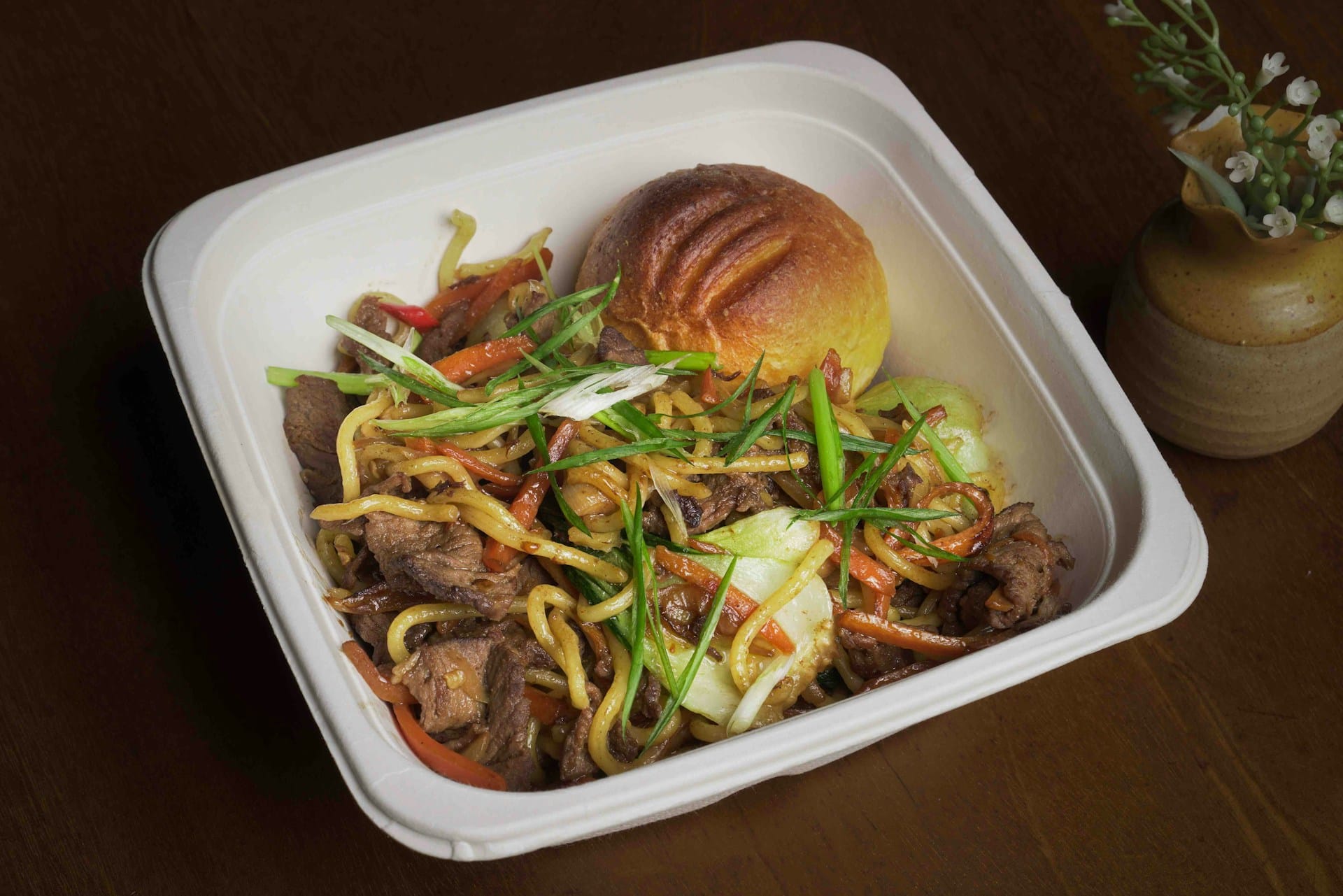
Bagasse tableware refers to disposable food service products made from sugarcane fiber waste, offering a biodegradable, compostable, and food-safe alternative to traditional plastic and Styrofoam containers. This plant-based material transforms agricultural byproduct into functional plates, bowls, clamshells, and trays that decompose naturally within 60 to 90 days under composting conditions.
Finding reliable eco-friendly packaging solutions presents a genuine challenge for foodservice businesses. Rising consumer demand for sustainable options conflicts with budget constraints, performance requirements, and supply chain complexity. Many buyers struggle to identify which green alternatives actually deliver on their environmental promises while meeting operational needs. This guide provides a systematic examination of bagasse tableware covering manufacturing processes, environmental benefits, practical applications, cost considerations, and procurement strategies designed specifically for B2B decision-makers seeking actionable information.
What Makes Bagasse Such an Effective Material for Food Packaging?
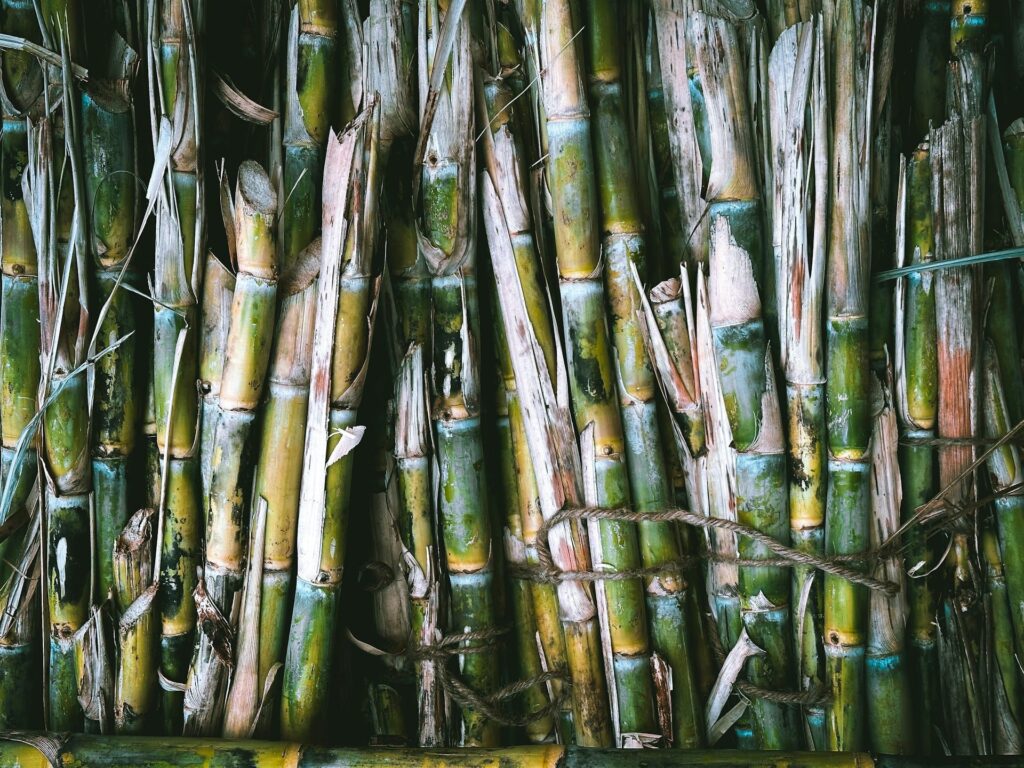
Bagasse tableware derives its unique properties from the natural cellulose structure of sugarcane stalks after juice extraction. The fibrous composition creates products with impressive heat resistance, moisture tolerance, and structural integrity that rivals conventional disposable materials.
The Science Behind Bagasse Performance
Here’s the deal: sugarcane fiber contains high concentrations of cellulose, hemicellulose, and lignin that provide natural strength and flexibility. When processed under high heat and pressure, these plant fibers bond together to form rigid yet lightweight structures capable of handling temperatures from -20°C to 120°C.
Key characteristics of bagasse fiber include:
- Cellulose content between 40-50% providing tensile strength
- Natural oils that create moderate grease resistance
- Porous structure allowing steam ventilation
- Neutral pH compatible with all food types
The material performs exceptionally well for hot foods without softening or releasing harmful chemicals, unlike polystyrene alternatives that can leach toxic compounds when heated.
Agricultural Origins and Sustainability Credentials
Bagasse represents a true upcycled material since sugarcane mills produce approximately 280 million metric tons of this byproduct globally each year. Before tableware manufacturing emerged as a viable industry, mills burned most bagasse for energy or disposed of it as waste.
The sustainability advantages include:
- Zero additional agricultural land required
- Carbon-neutral lifecycle when composted
- Reduced methane emissions from landfill diversion
- Support for circular economy principles
| Property | Bagasse | Plastic (PS) | Paper |
|---|---|---|---|
| Heat Resistance | Up to 120°C | 70-90°C | 80°C |
| Compostable | Yes (60-90 days) | No | Conditional |
| Grease Resistance | Moderate-High | High | Low |
| Microwave Safe | Yes | Often No | Limited |
This comparison demonstrates why bagasse outperforms conventional alternatives in most foodservice applications while maintaining superior environmental credentials.
Key Takeaway: Bagasse provides B2B buyers with a scientifically-proven material that matches or exceeds plastic performance while eliminating long-term environmental liabilities associated with petroleum-based products.
How Does Bagasse Tableware Contribute to Plastic Waste Reduction?
Bagasse tableware directly addresses the global plastic pollution crisis by providing a functional replacement that biodegrades completely rather than persisting for centuries in landfills and oceans. Each piece of bagasse packaging that replaces plastic represents measurable progress toward corporate sustainability goals and regulatory compliance.
Quantifying Environmental Impact
Here’s what the numbers reveal: the foodservice industry generates approximately 269 million tons of plastic waste annually, with single-use items representing the largest category. Switching to bagasse alternatives can reduce a restaurant’s plastic footprint by 60-80% depending on current usage patterns.
Environmental benefits per 1,000 units switched from plastic to bagasse:
- 18-25 kg of plastic diverted from landfills
- 45-60 kg reduction in CO2 equivalent emissions
- Zero microplastic generation during degradation
- Complete decomposition within one composting cycle
These metrics translate directly into sustainability reporting requirements that many corporate clients now mandate from their supply chain partners.
Regulatory Compliance and Market Access
Government restrictions on single-use plastics continue expanding worldwide, making bagasse adoption a strategic business decision rather than merely an environmental choice.
Current and upcoming regulations affecting foodservice packaging:
- European Union Single-Use Plastics Directive
- US state-level polystyrene bans (currently 10 states)
- Canadian single-use plastics prohibition
- Australian National Plastics Plan targets
Businesses that transition to bagasse now position themselves ahead of regulatory requirements while building customer loyalty among environmentally conscious consumers.
Corporate Sustainability Integration
Major retail chains, hospitality groups, and institutional foodservice providers increasingly require verified sustainable packaging from vendors. Bagasse tableware meets common certification standards including:
- OK Compost certification for industrial composting
- BPI (Biodegradable Products Institute) certification
- FDA food contact approval
- EU food safety compliance
Key Takeaway: B2B buyers selecting bagasse tableware gain regulatory compliance protection, corporate sustainability credential support, and measurable plastic reduction metrics for stakeholder reporting.
What Specific Product Types Are Available in Bagasse Tableware?
Bagasse tableware encompasses a comprehensive range of foodservice products designed to replace virtually every disposable plastic item currently in commercial use. Modern manufacturing techniques allow precise molding of bagasse pulp into complex shapes with consistent quality and performance characteristics.
Plates and Bowls
The most common bagasse products include round plates in standard sizes from 6-inch appetizer formats to 10-inch dinner plates. These items feature raised edges for sauce containment and can be produced with compartment divisions for meal trays.
Standard plate specifications include:
- Available diameters: 6″, 7″, 9″, 10″
- Compartmented options: 2-section, 3-section, 5-section
- Bowl depths: shallow (1″), medium (2″), deep (3″)
- Weight capacities: up to 500g per item
Clamshell Containers and Hinged Lids
Takeout packaging represents the fastest-growing bagasse category as delivery services expand globally. Clamshell designs feature integrated hinges, secure closures, and ventilation options to maintain food quality during transport.
Here’s what makes clamshell designs particularly effective:
- Hinged construction eliminates need for separate lids
- Perforated vents prevent condensation buildup
- Locking tabs ensure secure closure during delivery
- Stackable designs optimize storage and shipping
Specialty Items and Custom Solutions
Beyond standard products, bagasse manufacturing accommodates specialty applications including:
- Cup carriers and trays
- Sushi trays with clear lids
- Produce containers for farm packaging
- Deli containers with portion sections
- Custom-branded items with embossed logos
| Product Category | Size Range | Typical MOQ | Lead Time |
|---|---|---|---|
| Round Plates | 6″-10″ | 50,000 pcs | 30-45 days |
| Clamshells | 500ml-1500ml | 30,000 pcs | 35-50 days |
| Bowls | 12oz-32oz | 40,000 pcs | 30-45 days |
| Custom Products | Variable | 100,000 pcs | 60-90 days |
This range demonstrates the versatility of bagasse manufacturing for diverse B2B foodservice requirements.
Key Takeaway: B2B buyers can source complete bagasse tableware lines from a single supplier, streamlining procurement while maintaining consistent sustainable packaging across all operations.
What Food Types Work Best with Bagasse Tableware?
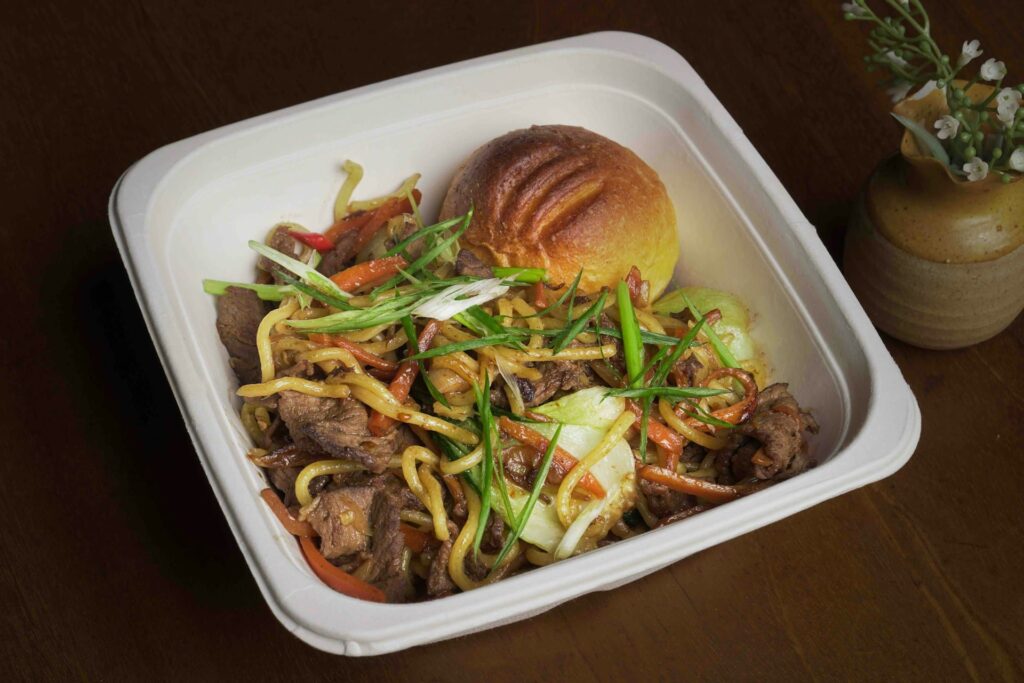
Bagasse tableware demonstrates excellent compatibility with most food categories while offering specific advantages for hot, moist, and oily menu items that challenge other eco-friendly alternatives. Understanding optimal applications helps buyers maximize value and minimize product waste.
Hot Food Applications
Bagasse excels with hot foods due to its natural heat resistance and insulating properties. The material maintains structural integrity at serving temperatures without transferring heat to external surfaces.
Ideal hot food applications include:
- Grilled proteins and roasted vegetables
- Rice and grain bowls
- Pasta dishes with sauce
- Hot sandwiches and burgers
- Fried foods including french fries
- Soups and stews (in appropriate bowl depths)
The porous fiber structure allows steam escape, preventing condensation that makes food soggy during transport.
Cold and Fresh Food Performance
Here’s an important consideration: bagasse performs equally well with cold items, making it versatile for establishments serving mixed menus throughout the day.
Effective cold food applications include:
- Salads and fresh vegetable preparations
- Deli items and sandwiches
- Fruit servings and desserts
- Cold appetizers and snack items
- Chilled prepared meals
Considerations for Liquid-Heavy Foods
While bagasse offers moderate liquid resistance, extremely wet preparations may require product selection with enhanced coatings or appropriate sizing.
Guidelines for liquid-containing foods:
- Soups: Use deep bowls with adequate freeboard
- Saucy items: Select products with raised edges
- Extended hold times: Consider PFAS-free coated options
- High-moisture salads: Allow dressing on the side
| Food Category | Recommended Product | Hold Time |
|---|---|---|
| Hot Entrees | Clamshells/Plates | 45-60 min |
| Soups | Deep Bowls | 30 min |
| Salads | Shallow Bowls | 60+ min |
| Fried Items | Vented Containers | 30-45 min |
| Sandwiches | Clamshells | 60+ min |
These performance parameters help operations select appropriate products for specific menu requirements.
Key Takeaway: B2B foodservice operators can confidently deploy bagasse tableware across diverse menu categories with predictable performance when products are matched appropriately to food characteristics.
How Does Bagasse Compare to Other Disposable Packaging Options?
Bagasse tableware occupies a unique position among disposable foodservice products by combining environmental benefits with practical performance at competitive price points. Understanding comparative advantages helps buyers justify transitions and select optimal products.
Performance Comparison with Plastics
Bagasse matches or exceeds plastic performance in most foodservice scenarios while eliminating long-term environmental concerns.
Comparative advantages over plastic:
- Superior microwave safety without chemical leaching
- Better insulation reducing burn risk
- Natural aesthetic preferred by many consumers
- Complete biodegradation versus centuries of persistence
- Increasingly favorable regulatory treatment
Plastic maintains advantages in:
- Clear visibility applications
- Extended moisture exposure scenarios
- Lowest unit cost in some categories
Comparison with Paper Products
Standard paper products often fail in foodservice applications due to moisture sensitivity. Bagasse offers significant improvements:
- No wax coatings required for grease resistance
- Better wet strength maintaining shape with moist foods
- Thicker walls providing improved insulation
- Natural rigidity without corrugated construction
Comparison with Other Bioplastics
PLA (polylactic acid) and other plant-based plastics compete in the sustainable packaging space but differ significantly from bagasse.
Key differentiators:
- Bagasse composts faster than PLA (60-90 vs 180+ days)
- Bagasse tolerates higher temperatures than most PLA
- Bagasse production uses agricultural waste versus dedicated crops
- Bagasse provides better hot food performance
| Criteria | Bagasse | Plastic | Paper | PLA |
|---|---|---|---|---|
| Heat Resistance | High | Medium | Low | Medium |
| Compostability | 60-90 days | No | Variable | 180+ days |
| Wet Strength | Good | Excellent | Poor | Good |
| Cost Index | 1.2x | 1.0x | 1.1x | 1.5x |
| Carbon Footprint | Low | High | Medium | Medium |
This analysis reveals bagasse as the optimal choice for buyers prioritizing balanced environmental and performance criteria.
Key Takeaway: Bagasse delivers the best overall value proposition among disposable packaging options when total lifecycle costs including environmental externalities are considered.

What Are the True Cost Implications of Switching to Bagasse?
Bagasse tableware pricing has decreased substantially as manufacturing scale expands, though unit costs typically remain 15-30% higher than conventional plastic alternatives. However, comprehensive cost analysis reveals compelling economic arguments for transition beyond simple unit price comparison.
Direct Cost Considerations
Current market pricing for bagasse products reflects several factors including raw material availability, manufacturing location, and order volumes.
Typical wholesale price ranges (USD per 1,000 units):
- 9-inch plates: $45-65
- Clamshell containers: $70-95
- 16oz bowls: $50-70
- Compartment trays: $60-85
These figures compare to plastic equivalents typically 20-30% lower but trending upward due to petroleum prices and regulatory pressures.
Hidden Cost Savings
Here’s what many cost analyses miss: bagasse adoption generates savings that offset premium pricing.
Measurable cost reductions include:
- Avoided regulatory compliance costs and fines
- Reduced waste disposal fees (compostable waste often cheaper)
- Marketing value of sustainability positioning
- Risk mitigation against future plastic restrictions
- Customer retention in environmentally conscious markets
Volume and Relationship Benefits
B2B buyers achieve significant per-unit savings through strategic procurement:
- Volume commitments reducing prices 10-20%
- Annual contracts providing price stability
- Mixed-product orders improving shipping efficiency
- Long-term supplier relationships enabling customization
| Order Volume | Typical Discount | Payment Terms |
|---|---|---|
| 50,000 units | Base price | 30% deposit |
| 100,000 units | 5-8% | 30% deposit |
| 500,000 units | 12-15% | 20% deposit |
| 1,000,000+ | 18-22% | Negotiable |
Strategic procurement transforms bagasse cost premiums into manageable investments with clear returns.
Key Takeaway: B2B buyers who evaluate total cost of ownership rather than unit price alone typically find bagasse tableware economically competitive with conventional alternatives when regulatory, reputational, and operational factors are included.
What Limitations Should Buyers Understand About Bagasse Products?
Honest assessment of bagasse limitations enables buyers to set appropriate expectations, select optimal products, and implement successful operational protocols. No packaging material performs perfectly in all scenarios.
Moisture Exposure Considerations
Bagasse’s natural fiber composition creates inherent moisture sensitivity that requires appropriate product selection and usage practices.
Moisture-related limitations include:
- Extended liquid contact (2+ hours) may cause softening
- Very hot liquids can accelerate fiber breakdown
- High humidity storage may affect product integrity
- Condensation can impact appearance
Mitigation strategies:
- Select coated products for high-moisture applications
- Train staff on appropriate product-to-food matching
- Maintain dry, climate-controlled storage conditions
- Establish reasonable hold time expectations
Aesthetic Variations
Natural fiber products exhibit inherent color and texture variations that some applications may find challenging.
Common aesthetic characteristics:
- Color range from light tan to medium brown
- Visible fiber patterns in material surface
- Minor variations between production batches
- Natural speckling from sugarcane particles
Structural Considerations
While bagasse provides excellent rigidity for most applications, certain use cases require careful product selection.
Structural limitations to consider:
- Very heavy loads may require thicker products
- Sharp objects can puncture material
- Repeated microwave cycles may affect integrity
- Stacking loaded containers requires appropriate design
| Challenge | Mitigation Approach |
|---|---|
| Moisture sensitivity | Select coated products |
| Color variation | Establish acceptable range with supplier |
| Heavy loads | Choose heavy-duty product lines |
| Extended hold times | Use vented designs for hot foods |
Understanding these factors prevents operational issues and customer complaints.
Key Takeaway: B2B buyers who proactively address bagasse limitations through product selection and staff training achieve satisfaction rates comparable to conventional packaging while gaining sustainability benefits.
How Should Restaurants and Caterers Select the Right Bagasse Products?
Successful bagasse tableware implementation requires systematic evaluation of operational requirements matched against available product specifications. Rushed decisions without adequate analysis often result in performance problems and wasted inventory.
Assessing Operational Requirements
Begin selection by documenting current packaging usage patterns and specific performance requirements.
Critical assessment factors include:
- Menu item temperatures and moisture levels
- Average hold times before customer consumption
- Transportation requirements for delivery/catering
- Storage capacity and climate control capabilities
- Brand presentation standards and customer expectations
Evaluating Supplier Capabilities
Here’s the critical factor many buyers overlook: supplier quality varies dramatically in the bagasse industry. Thorough supplier evaluation prevents costly problems.
Key supplier evaluation criteria:
- Manufacturing certifications (FDA, EU food safety)
- Consistent quality control processes
- Production capacity matching your volume needs
- Customization capabilities for branding requirements
- Sample availability before commitment
- Reference customers in similar industries
Testing and Validation Process
Never commit to large orders without operational testing. Proper validation includes:
- Sample orders for staff evaluation
- Real-world testing with actual menu items
- Customer feedback collection
- Storage and handling assessment
- Cost-per-serving calculation verification
Building Effective Supplier Relationships
Long-term supplier partnerships deliver superior results compared to transactional purchasing approaches.
Relationship benefits include:
- Priority allocation during supply constraints
- Access to new product development
- Custom product options at reasonable minimums
- Price stability through market fluctuations
- Technical support for implementation challenges
| Selection Criterion | Weight | Evaluation Method |
|---|---|---|
| Product Quality | 30% | Sample testing |
| Pricing | 25% | Competitive quotes |
| Reliability | 20% | Reference checks |
| Customization | 15% | Capability review |
| Support | 10% | Response testing |
This weighted evaluation framework ensures balanced supplier selection decisions.
Key Takeaway: B2B buyers who invest time in thorough needs assessment, supplier evaluation, and operational testing achieve successful bagasse implementations that enhance both sustainability credentials and operational efficiency.
Taking the Next Step Toward Sustainable Packaging
Bagasse tableware represents a mature, proven packaging category ready for mainstream adoption across foodservice operations of all sizes. The combination of agricultural waste origins, complete biodegradability, competitive pricing, and strong performance characteristics positions bagasse as the logical choice for businesses committed to reducing environmental impact without sacrificing operational requirements.
Reliancepak provides comprehensive bagasse tableware solutions backed by nine production lines, established export experience across global markets, and professional customization capabilities. Whether you require standard products for immediate needs or custom-branded solutions for distinctive market positioning, our team offers free samples, competitive wholesale pricing, and food-grade certifications meeting EU and FDA standards.
The transition from plastic to sustainable packaging defines the future of foodservice. Organizations making this shift today establish competitive advantages that compound as consumer preferences and regulatory requirements continue evolving toward environmental responsibility.
Frequently Asked Questions
Can bagasse tableware handle microwave reheating safely?
Yes, bagasse products are fully microwave safe and can be reheated multiple times without chemical leaching or structural failure. The natural fiber composition remains stable under microwave energy, making these products ideal for meal prep and reheating applications common in modern foodservice.
How do I verify that bagasse products meet food safety standards for my market?
Request certification documentation from your supplier including FDA compliance letters for US markets and EU food contact material declarations for European distribution. Reputable manufacturers maintain current certifications and provide documentation promptly upon request.
Can I get custom branding on bagasse tableware for my business?
Yes, bagasse products accept embossed logos, printed designs, and custom shapes through specialized mold production. Minimum order quantities for customization typically range from 50,000 to 100,000 units depending on complexity, with lead times of 60-90 days for initial orders.
Will bagasse products break down if stored in my warehouse for extended periods?
No, properly stored bagasse tableware maintains quality for 12-24 months under normal warehouse conditions. Keep products in original packaging, avoid direct sunlight, maintain moderate humidity levels, and store away from water sources to preserve optimal product integrity.
How do composting requirements differ between home and commercial facilities?
Bagasse products compost within 60-90 days in commercial facilities maintaining temperatures above 55°C, while home composting typically requires 90-180 days depending on pile management. Check local composting facility acceptance policies, as some operations have specific requirements for certified compostable products.